MSI Prestige PS63 8RC Modern RAM upgrade specifications
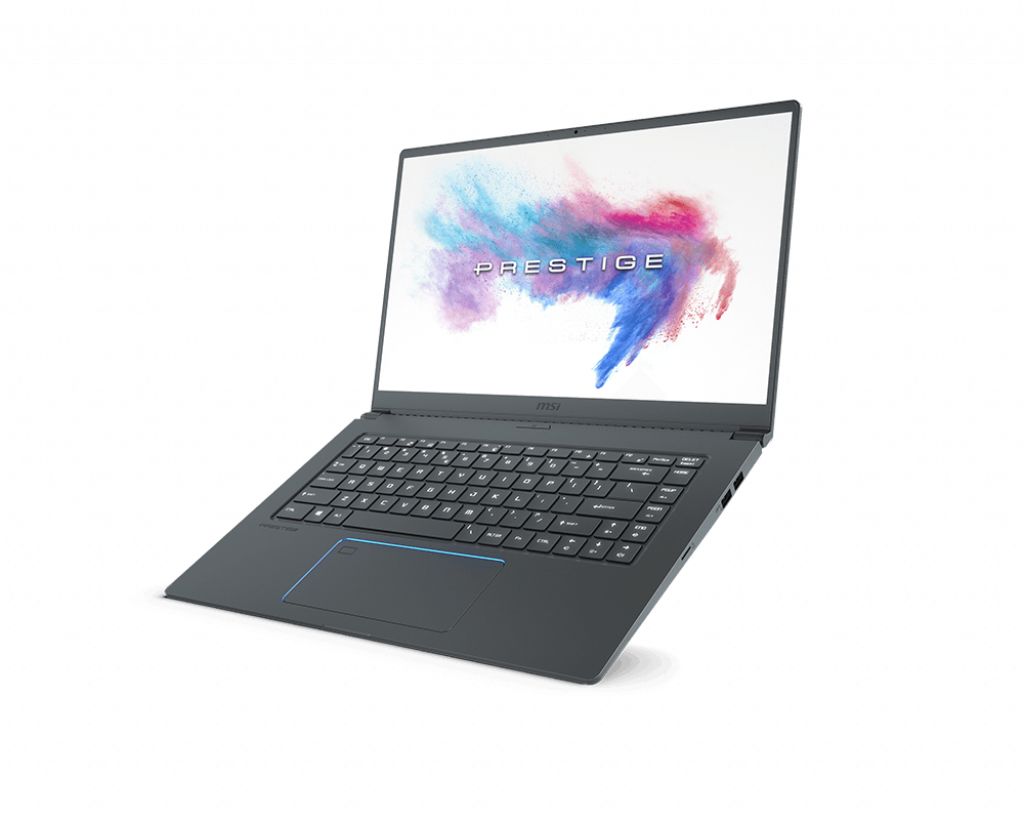
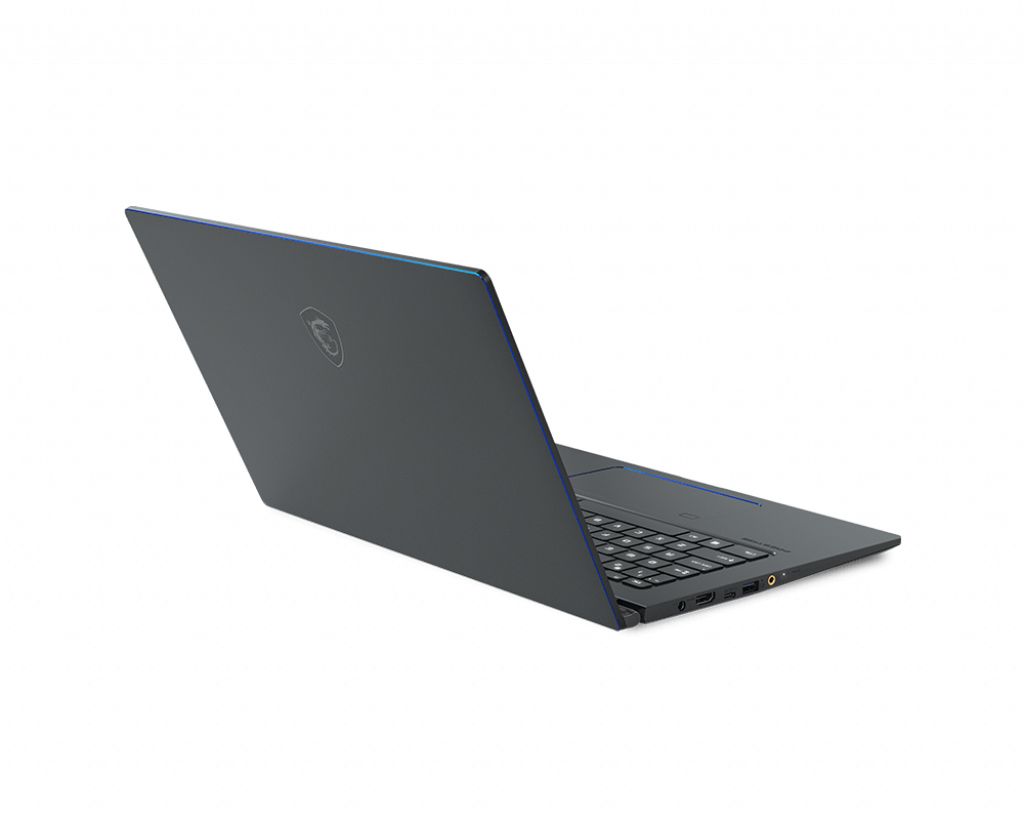
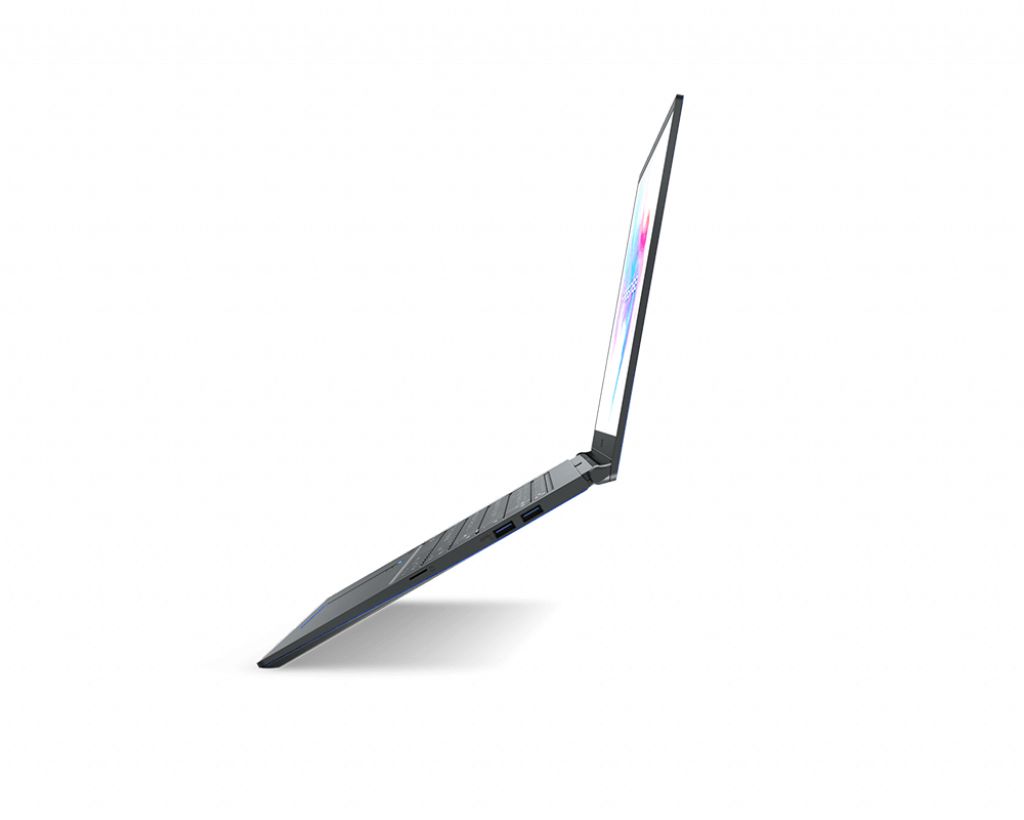
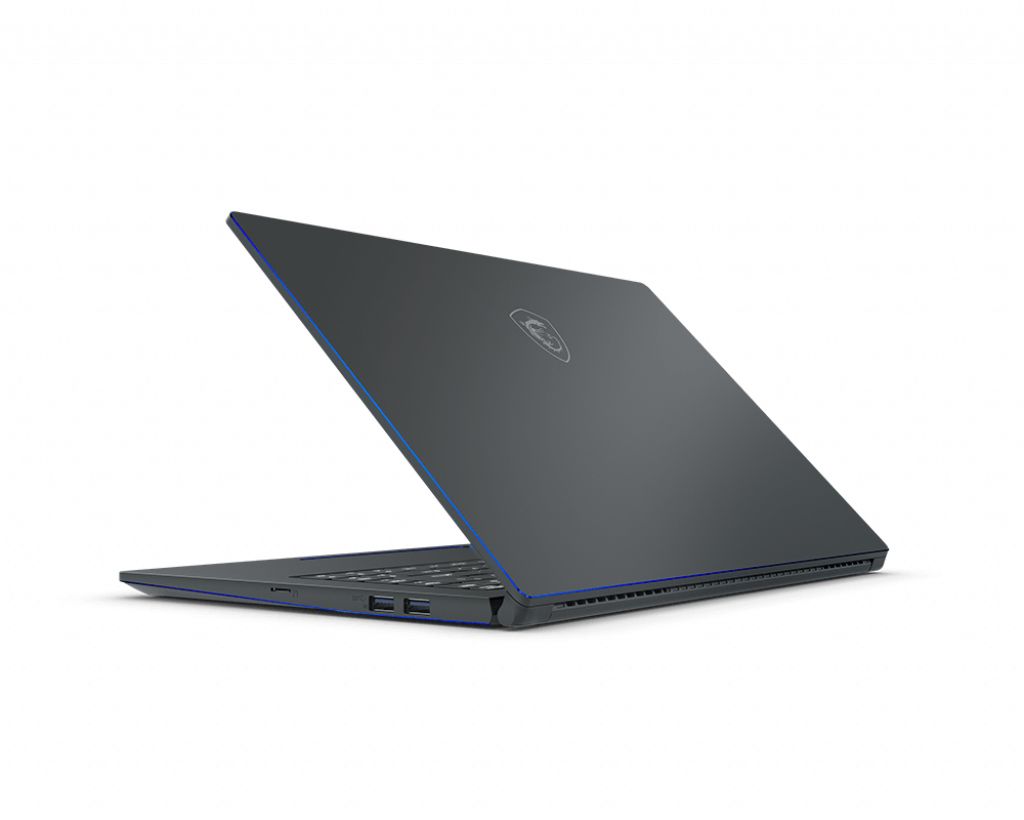
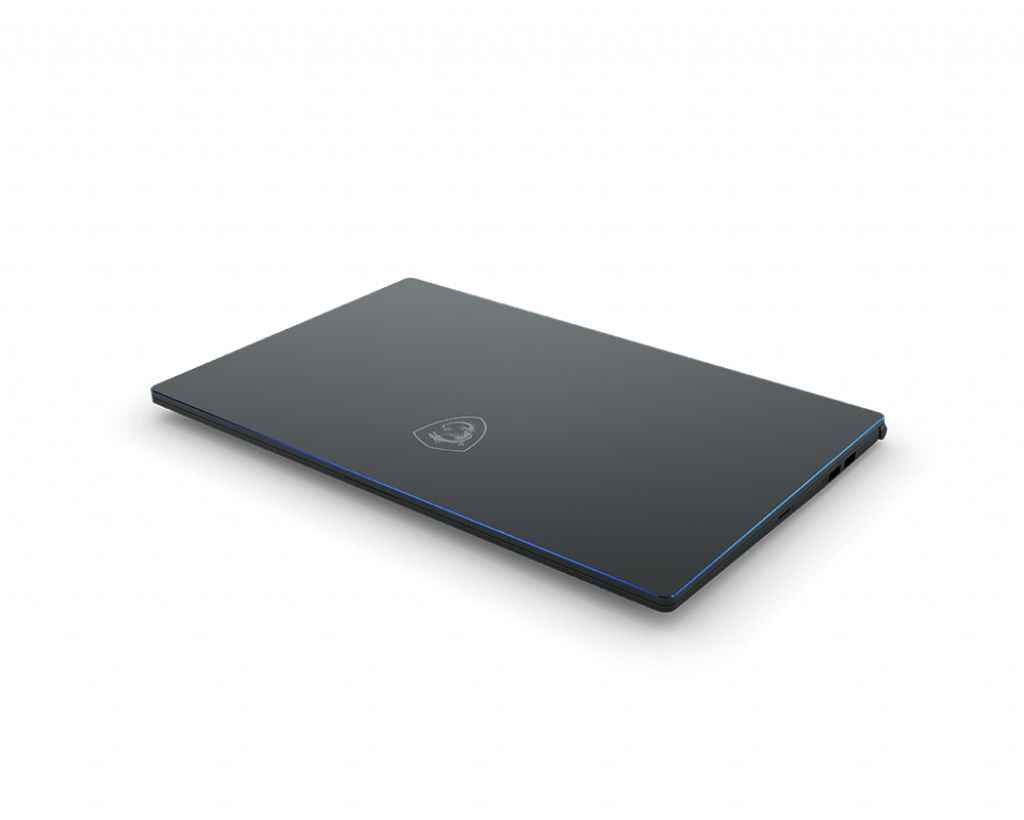
MSI Prestige PS63 8RC Modern laptop supports DDR4-SDRAM memory upgrades with two SO-DIMM slots accommodating a maximum capacity of 32 GB RAM. Specifications indicate compatible memory operates at 2400 MHz frequency. Upgrade configurations allow installation of SO-DIMM form factor modules across both available slots, enabling users to expand system memory from factory specifications. Memory upgrade specifications for the PS63 8RC Modern series provide detailed slot quantity and maximum memory capacity information for replacement or expansion purposes.
Memory Upgrade Specifications
| Specification | Value |
|---|---|
| Memory slots | 2x SO-DIMM |
| Form factor | SO-DIMM |
| Memory type | DDR4-SDRAM |
| Frequency | 2400 MHz |
| Maximum RAM | 32 GB |
| Voltage | 1.2V |
| Number of pins | 260-pin |
| Interface | PC4 |
| PC Speed Rating | PC4-2400 (PC4-19200) |
| Bandwidth | 19.2 GB/s |
| Laptop Release date | 25 June 2019 |
Additional Notes
- The MSI Prestige PS63 8RC Modern supports a maximum of 32 GB across 2 SO-DIMM slots, meaning upgrade capacity is limited to 16 GB per slot with matched pairs for dual-channel operation.
- DDR4-2400 MHz represents a lower-speed specification compared to contemporary DDR4 standards (2666 MHz minimum), creating a ceiling on memory bandwidth that cannot be overcome through upgrades regardless of installed capacity.
- SO-DIMM form factor is a physical constraint for mobile platforms; any replacement or upgrade must use this notebook-specific size, restricting component sourcing to mobile-grade memory modules.
- Mismatched module speeds between original equipment and aftermarket upgrades will downclock all installed memory to the slowest module frequency, potentially reducing performance gains from capacity increases.
- Warranty-safe upgrades require verification that replacement modules meet the 2400 MHz specification exactly; modules rated for higher speeds will function but may void coverage if blamed for stability issues.
- Upgrading both SO-DIMM slots simultaneously rather than replacing single modules eliminates compatibility variables and ensures symmetric dual-channel performance across the memory subsystem.