MSI Prestige PS63 8RC-026FR Modern RAM upgrade specifications

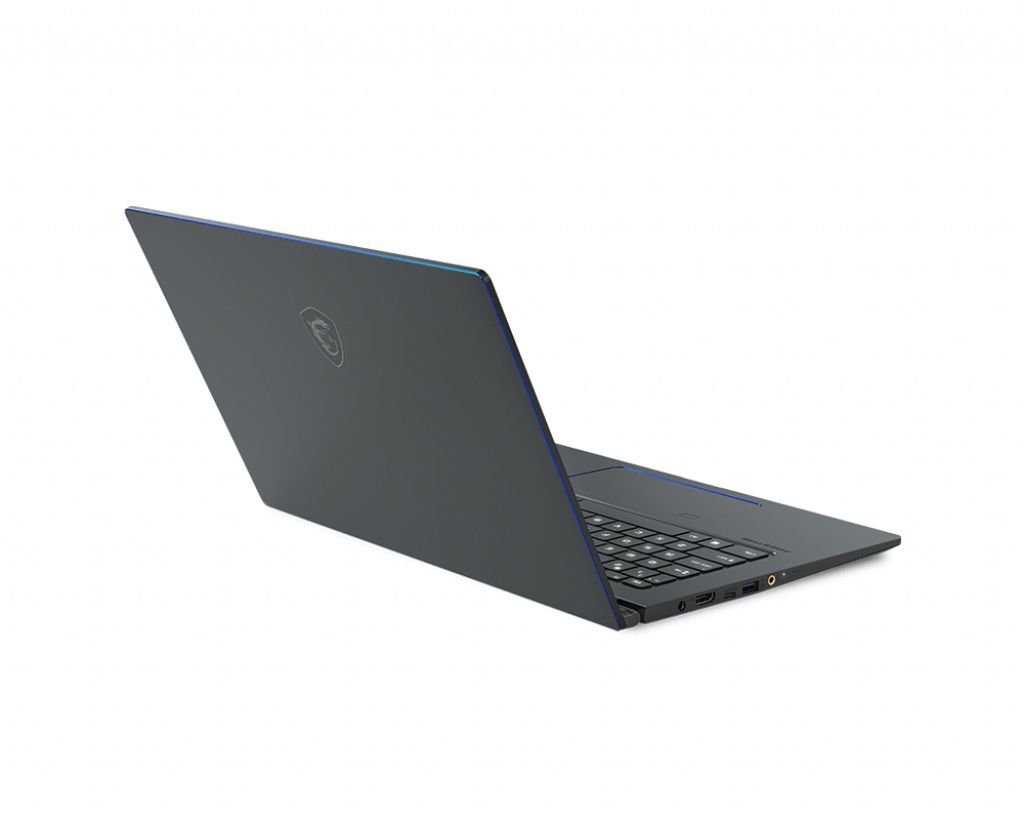

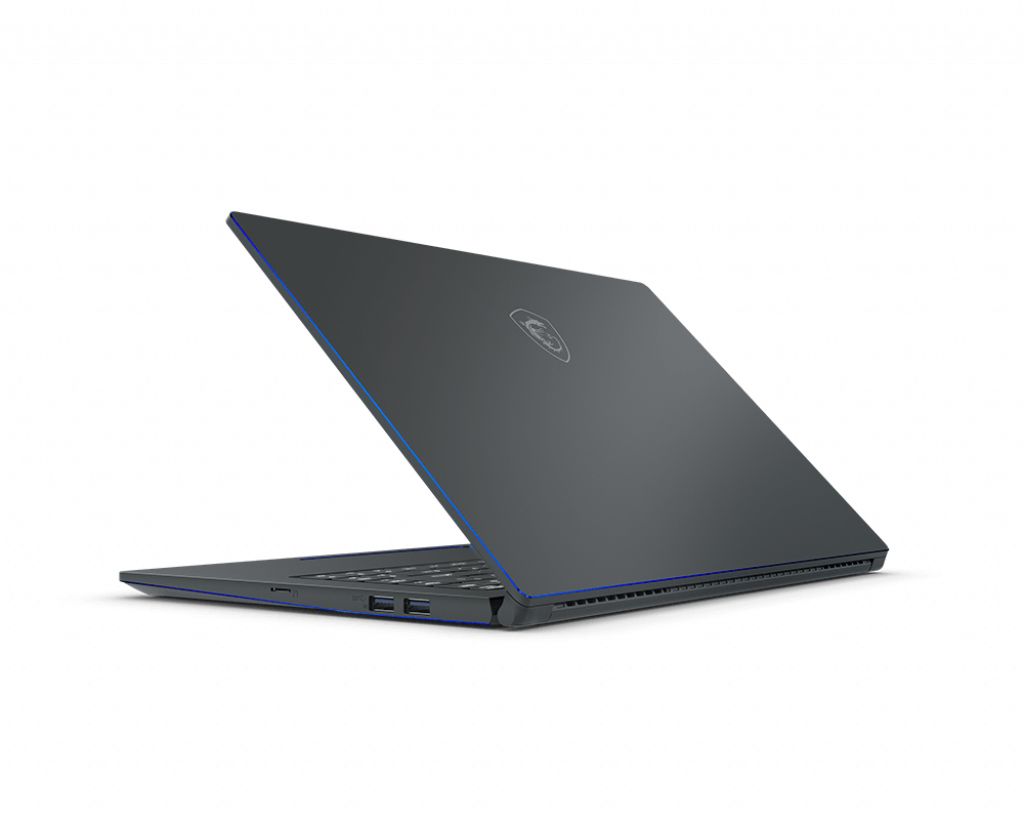
The MSI Prestige PS63 8RC-026FR Modern laptop features DDR4-SDRAM memory upgrade specifications with two SO-DIMM slots supporting a maximum RAM capacity of 32 GB. Compatible memory modules operate at 2400 MHz frequency. The upgrade slots accommodate SO-DIMM form factor components, enabling users to expand the system memory from factory configurations. Specifications indicate DDR4 memory compatibility for this particular PS63 Modern model series.
Memory Upgrade Specifications
| Specification | Value |
|---|---|
| Memory slots | 2x SO-DIMM |
| Form factor | SO-DIMM |
| Memory type | DDR4-SDRAM |
| Frequency | 2400 MHz |
| Maximum RAM | 32 GB |
| Voltage | 1.2V |
| Number of pins | 260-pin |
| Interface | PC4 |
| PC Speed Rating | PC4-2400 (PC4-19200) |
| Bandwidth | 19.2 GB/s |
| Laptop Release date | 22 June 2019 |
Additional Notes
- The MSI Prestige PS63 8RC-026FR Modern accepts only DDR4 SO-DIMM modules; DDR3 or DDR5 memory will not function due to physical keying differences and electrical incompatibility.
- Installation of 32 GB total capacity requires both SO-DIMM slots to be populated with matching 16 GB modules; single-slot configurations will operate in single-channel mode and reduce effective memory bandwidth by 50 percent.
- The 2400 MHz specification represents the native speed; modules rated at 2666 MHz or higher will operate at the 2400 MHz baseline unless the BIOS explicitly supports XMP/DOCP profiles, which may not be available on this consumer ultrabook platform.
- Warranty coverage for memory upgrades depends on OEM policy; installation by non-authorized technicians may void coverage, though SO-DIMM replacement generally carries lower risk than soldered memory designs.
- The dual SO-DIMM configuration supports asymmetric capacity mixing (8 GB plus 16 GB, for example), though this generates a performance penalty for the higher-capacity module due to asymmetrical channel load balancing.
- Memory bandwidth saturation occurs at approximately 19.2 GB/s with 2400 MHz DDR4 operation; applications requiring sustained transfers above this threshold will experience latency buildup in the memory controller.