MSI Prestige PS63 8SC-089ES Modern RAM upgrade specifications
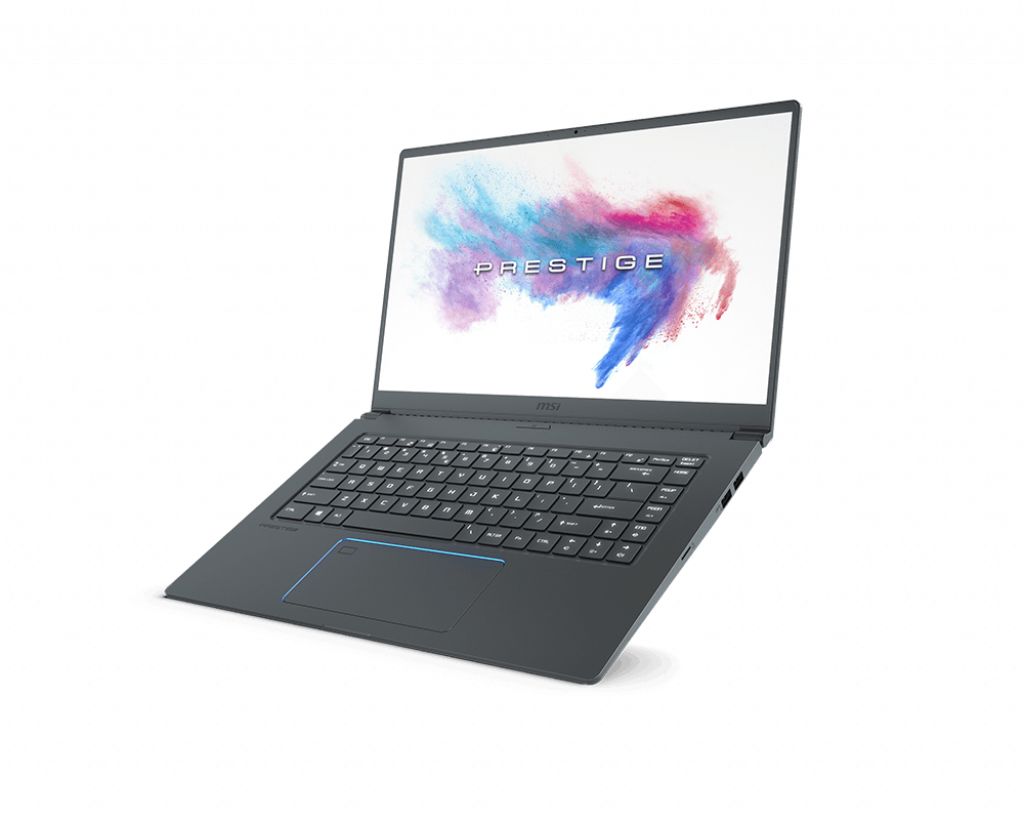
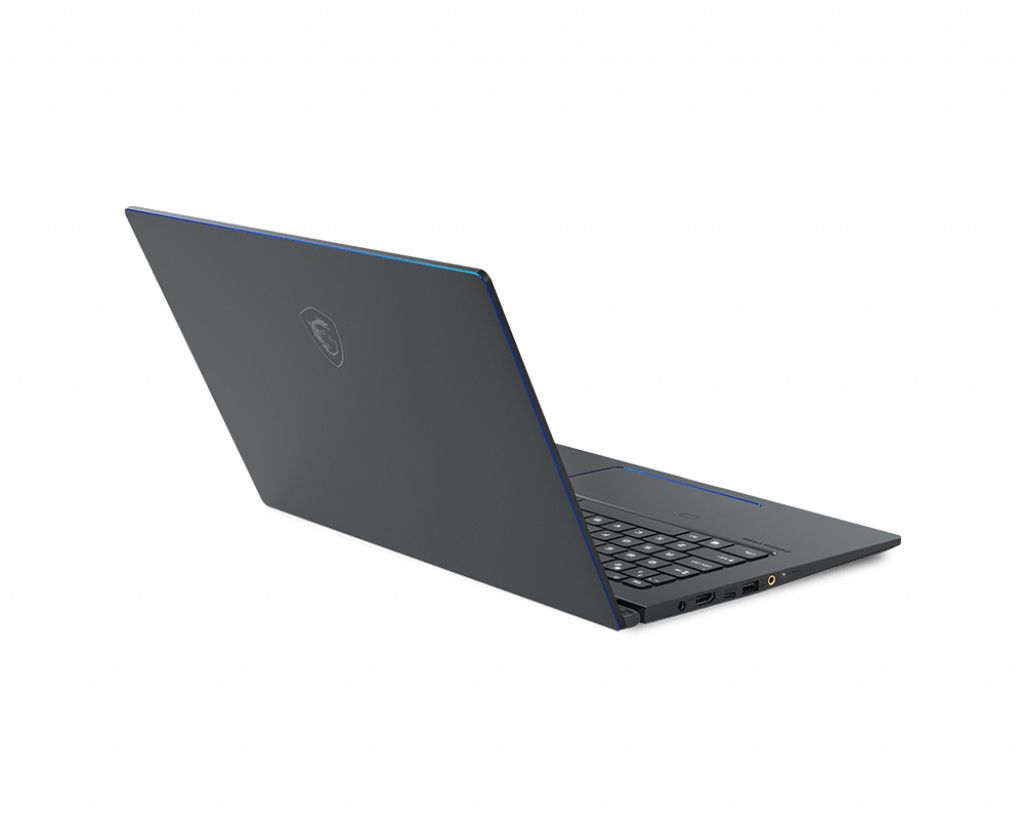
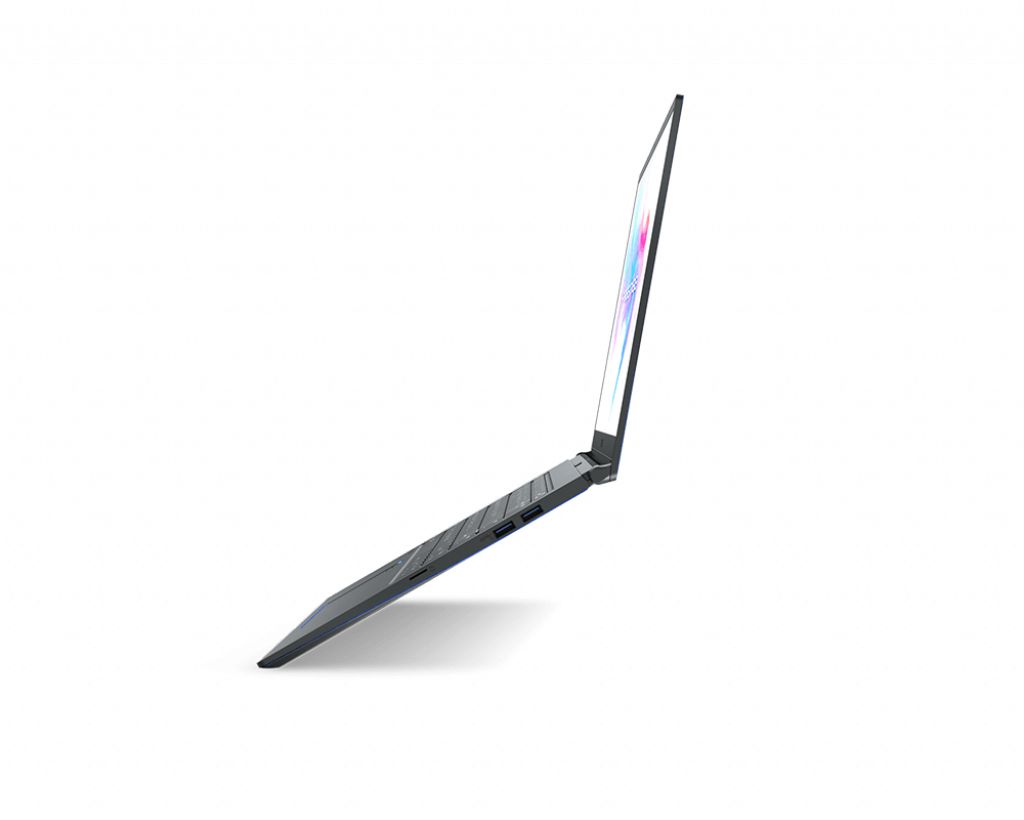
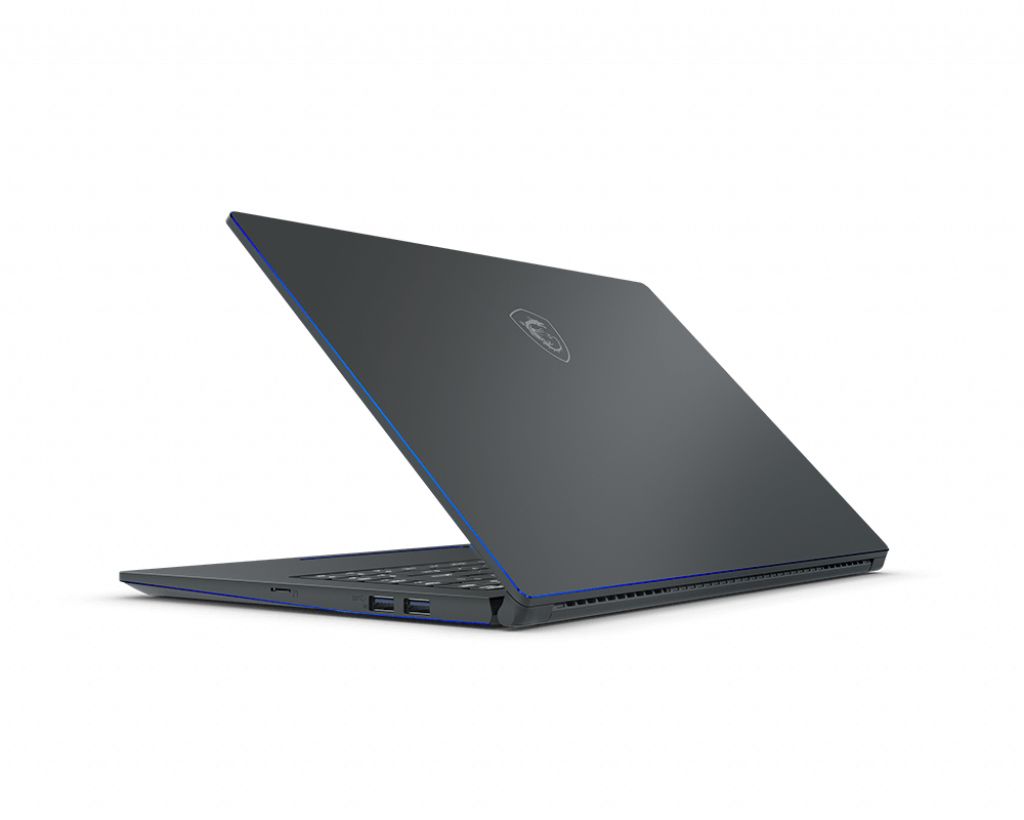
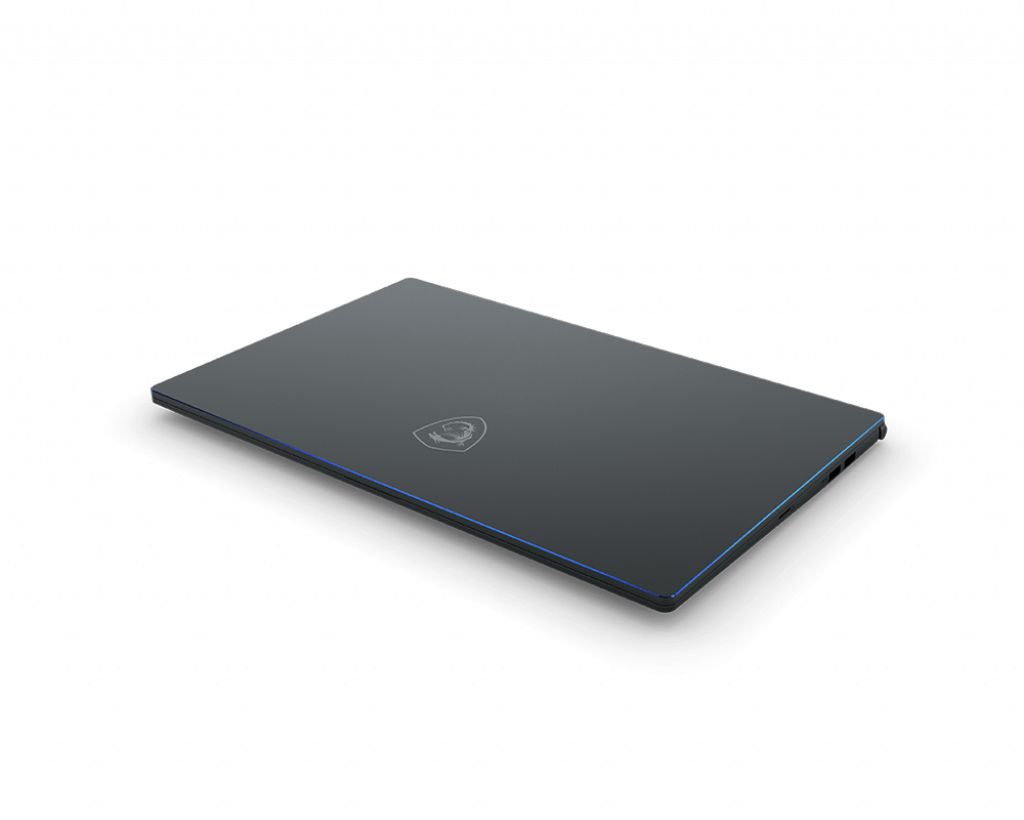
The MSI Prestige PS series PS63 8SC-089ES Modern laptop features DDR4-SDRAM memory with 2x SO-DIMM slots supporting a maximum RAM capacity of 32 GB. The upgrade specifications indicate compatible memory modules operate at 2400 MHz frequency using the SO-DIMM form factor. Users requiring enhanced multitasking performance can upgrade the existing memory configuration to reach the maximum specifications supported by the system. The RAM upgrade maintains full compatibility with the PS63 8SC-089ES Modern platform architecture and specifications.
Memory Upgrade Specifications
| Specification | Value |
|---|---|
| Memory slots | 2x SO-DIMM |
| Form factor | SO-DIMM |
| Memory type | DDR4-SDRAM |
| Frequency | 2400 MHz |
| Maximum RAM | 32 GB |
| Voltage | 1.2V |
| Number of pins | 260-pin |
| Interface | PC4 |
| PC Speed Rating | PC4-2400 (PC4-19200) |
| Bandwidth | 19.2 GB/s |
| Laptop Release date | 07 July 2019 |
Additional Notes
- Dual channel memory architecture is possible when both slots are occupied by identical modules, which increases memory bandwidth for integrated graphics tasks.
- The MSI PS63 8SC-089ES Modern system architecture lacks XMP profile support, meaning higher frequency modules will downclock to the 2400 MHz ceiling set by the motherboard.
- Physical access to the SO-DIMM slots requires the removal of the bottom chassis cover, which may involve penetrating a factory seal sticker in certain regions.
- Upgrading to the 32 GB maximum capacity necessitates the replacement of all existing modules because the system utilizes a total of 2 physical slots without soldered memory.
- Internal space constraints within the thin chassis design require the use of standard height SO-DIMM modules to prevent interference with the cooling heat pipes or the back panel.
- Latency performance is determined by the highest CAS latency rating among the installed sticks if mismatched brands are used together.
- The processor memory controller serves as the primary bottleneck for data transfer rates regardless of whether 2666 MHz or 3200 MHz modules are installed.