MSI Prestige PS63 Modern 8SC-002ES RAM upgrade specifications
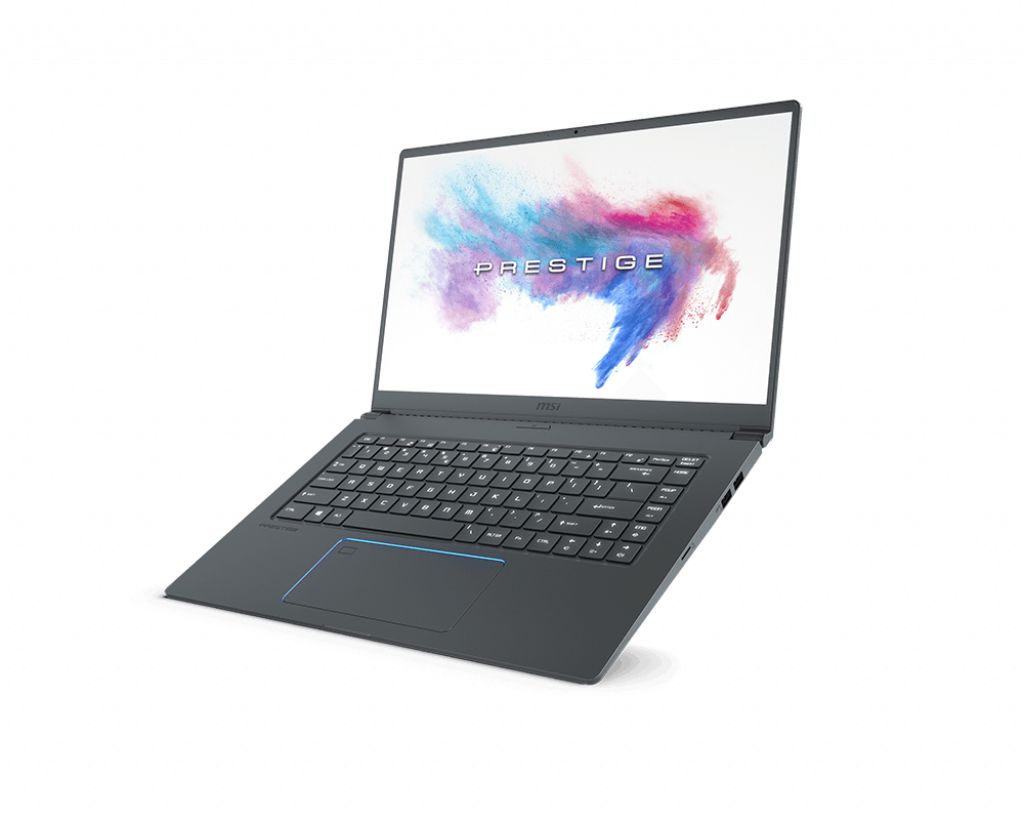
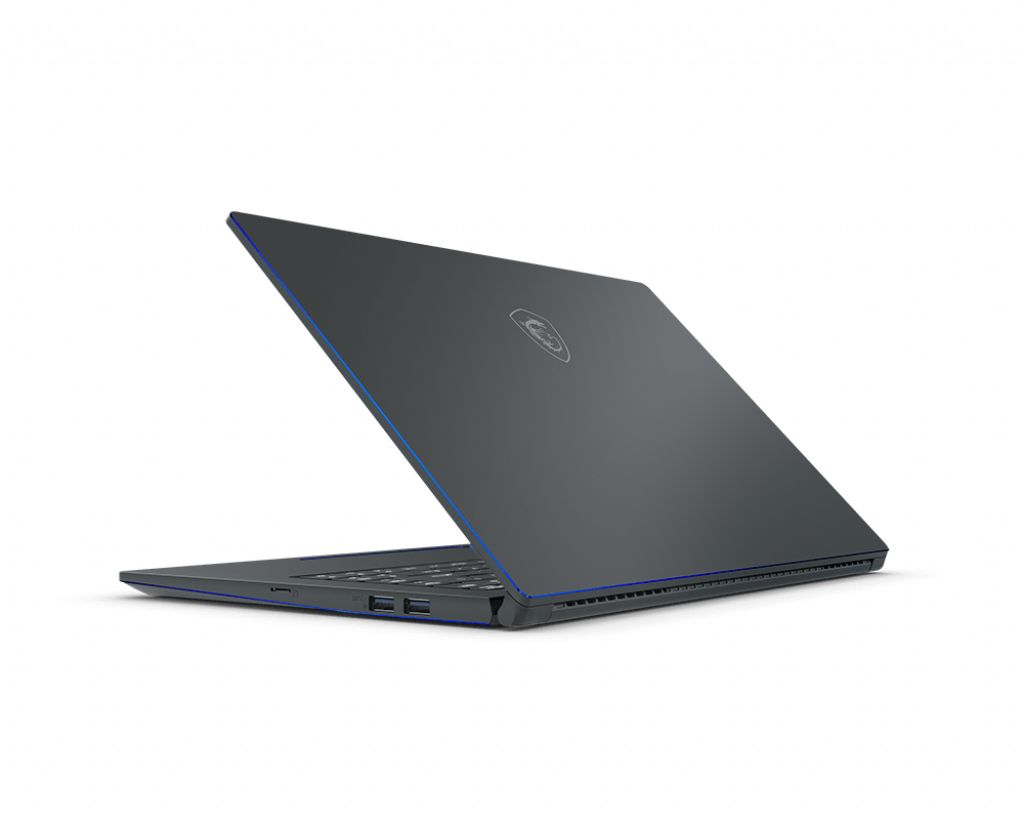
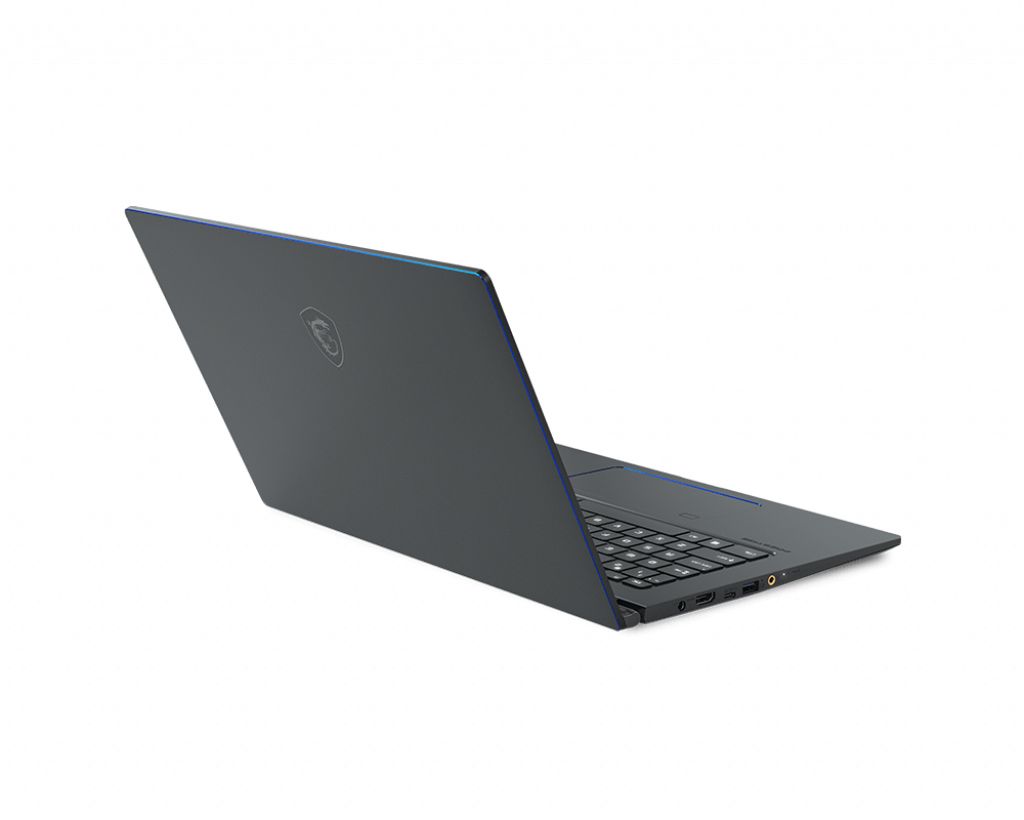
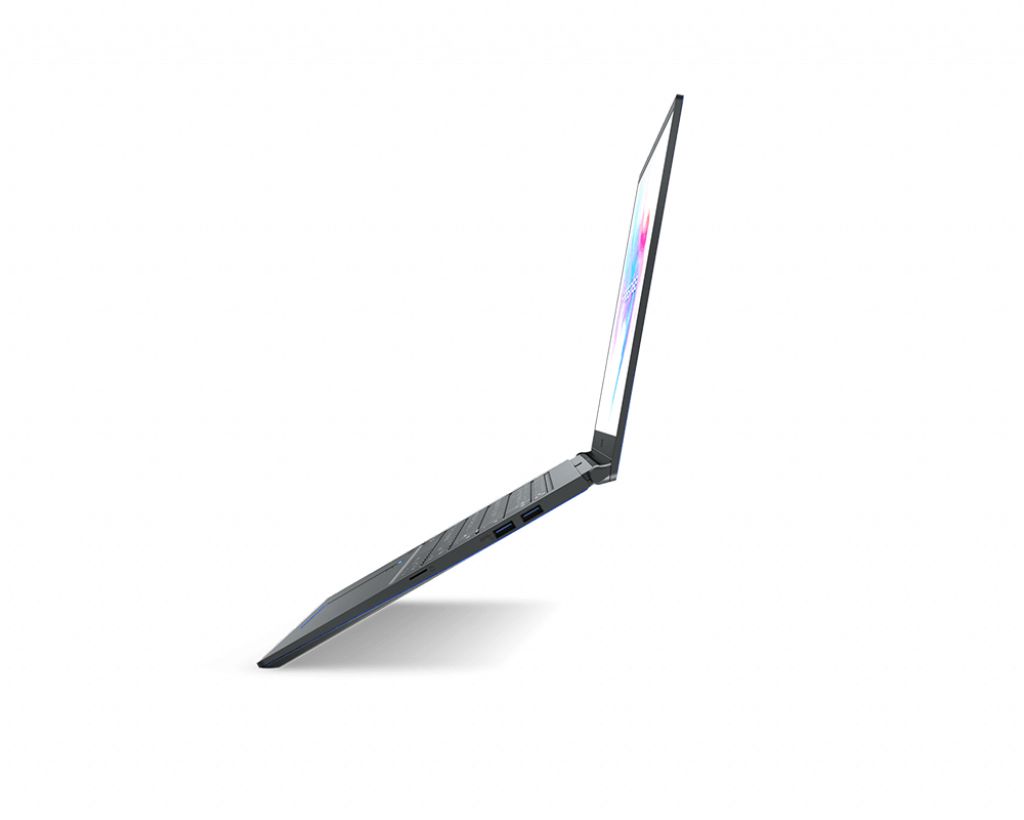
The MSI Prestige PS63 Modern 8SC-002ES features DDR4-SDRAM memory with 2x SO-DIMM slots supporting maximum RAM capacity of 32 GB. The upgrade specifications indicate compatible memory operates at 2400 MHz frequency. The laptop supports DDR4 SO-DIMM form factor modules for memory expansion. Each slot accommodates up to 16 GB modules, enabling maximum memory configuration of 32 GB total. The specifications detail the memory upgrade path for the MSI PS63 Modern 8SC-002ES model within the Prestige PS series.
Memory Upgrade Specifications
| Specification | Value |
|---|---|
| Memory slots | 2x SO-DIMM |
| Form factor | SO-DIMM |
| Memory type | DDR4-SDRAM |
| Frequency | 2400 MHz |
| Maximum RAM | 32 GB |
| Voltage | 1.2V |
| Number of pins | 260-pin |
| Interface | PC4 |
| PC Speed Rating | PC4-2400 (PC4-19200) |
| Bandwidth | 19.2 GB/s |
| Laptop Release date | 19 April 2019 |
Additional Notes
- The MSI Prestige PS63 Modern 8SC-002ES memory controller operates at 2400 MHz, which represents a latency constraint for third-generation DDR4 modules. Upgrading to faster DDR4 variants (3000 MHz or higher) will downclock to this native frequency, eliminating performance gains from higher-speed purchases.
- Two SO-DIMM slots provide no redundancy for single-channel operation. Installing a single module forces the system into asymmetrical memory configuration, reducing effective bandwidth to approximately 50% until a second module populates the remaining slot.
- SO-DIMM form factor requires laptop-specific memory modules; standard desktop UDIMM components are physically incompatible and will not seat in the available slots regardless of capacity matching.
- The 32 GB capacity ceiling is fixed by the memory controller design and SO-DIMM physical address space. Individual modules exceeding 16 GB per slot cannot be recognized, even if such components become commercially available.
- Unmatched module pairing (mixing different capacities, speeds, or manufacturer SKUs) may trigger instability or force both modules to operate at the slowest module's specifications across all parameters.
- Warranty coverage for memory replacement typically remains intact only if components purchased meet or fall below the original equipment manufacturer specifications. Modules rated at 2400 MHz carry lower replacement risk than higher-frequency variants that downclock to baseline speeds.