MSI Prestige PS638RC-054IT MODERN RAM upgrade specifications
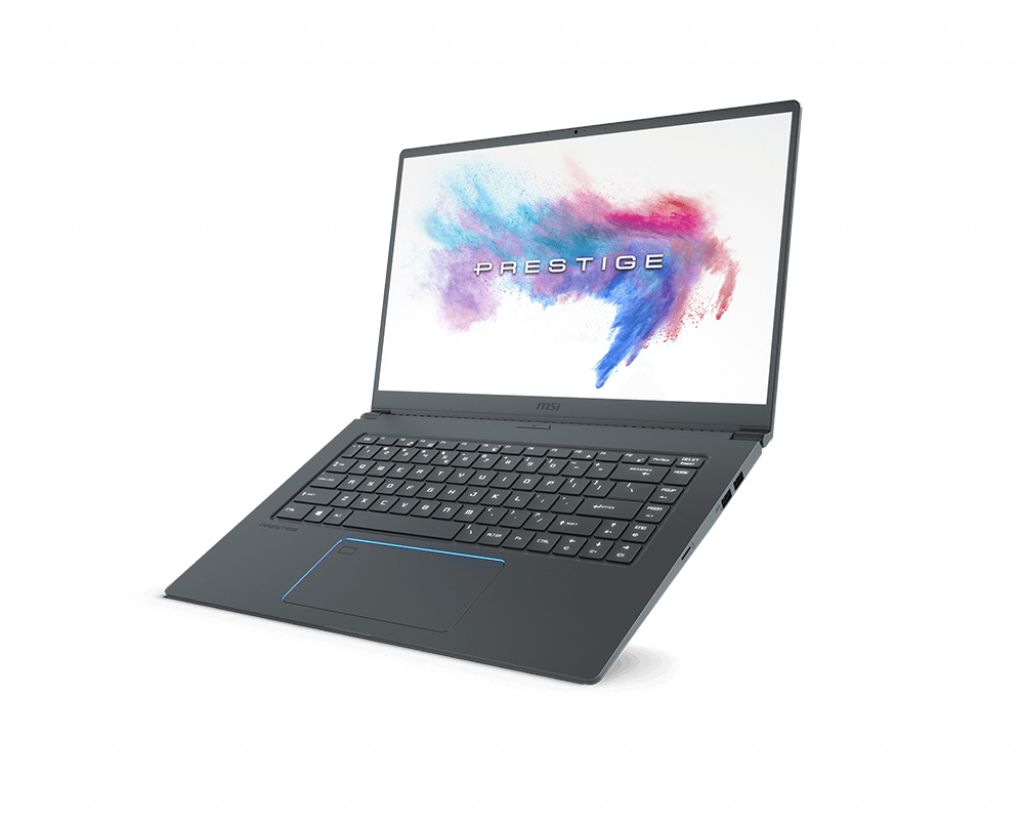
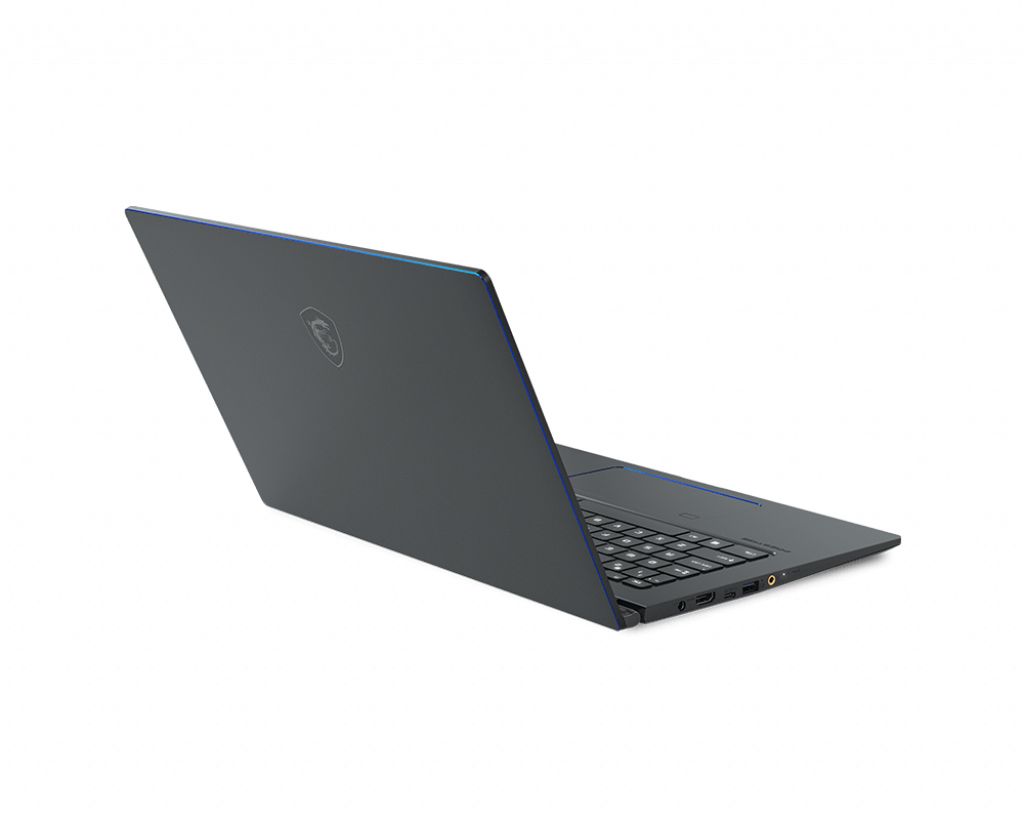
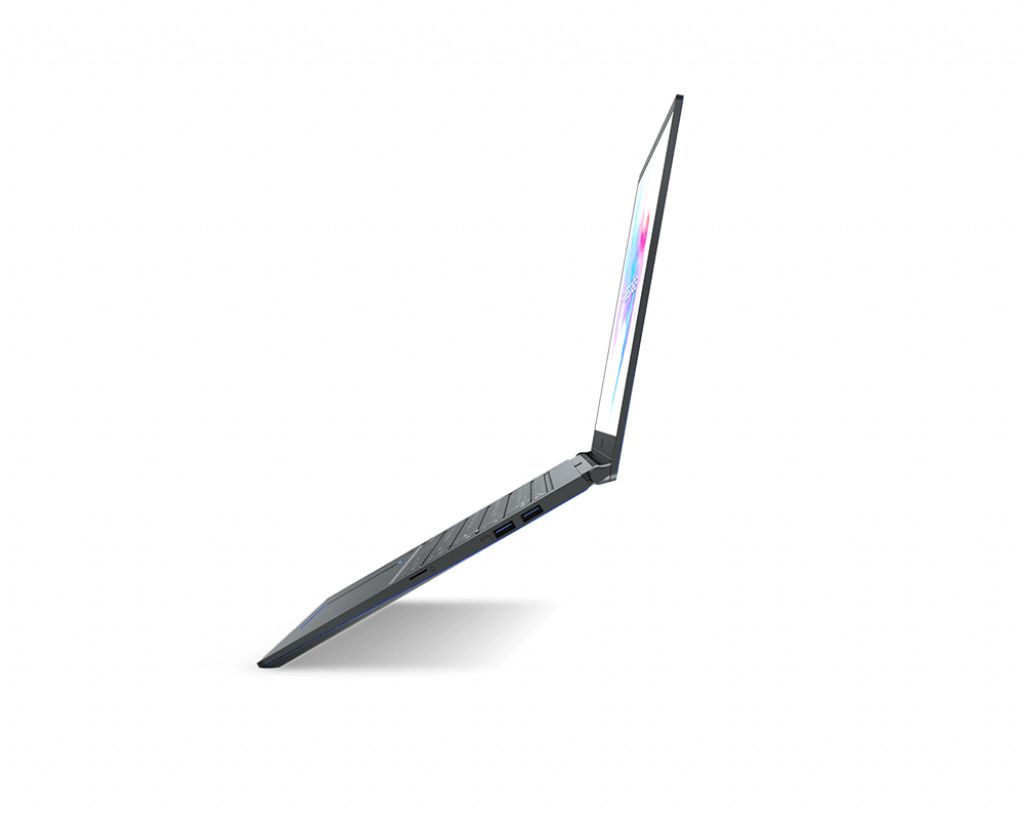
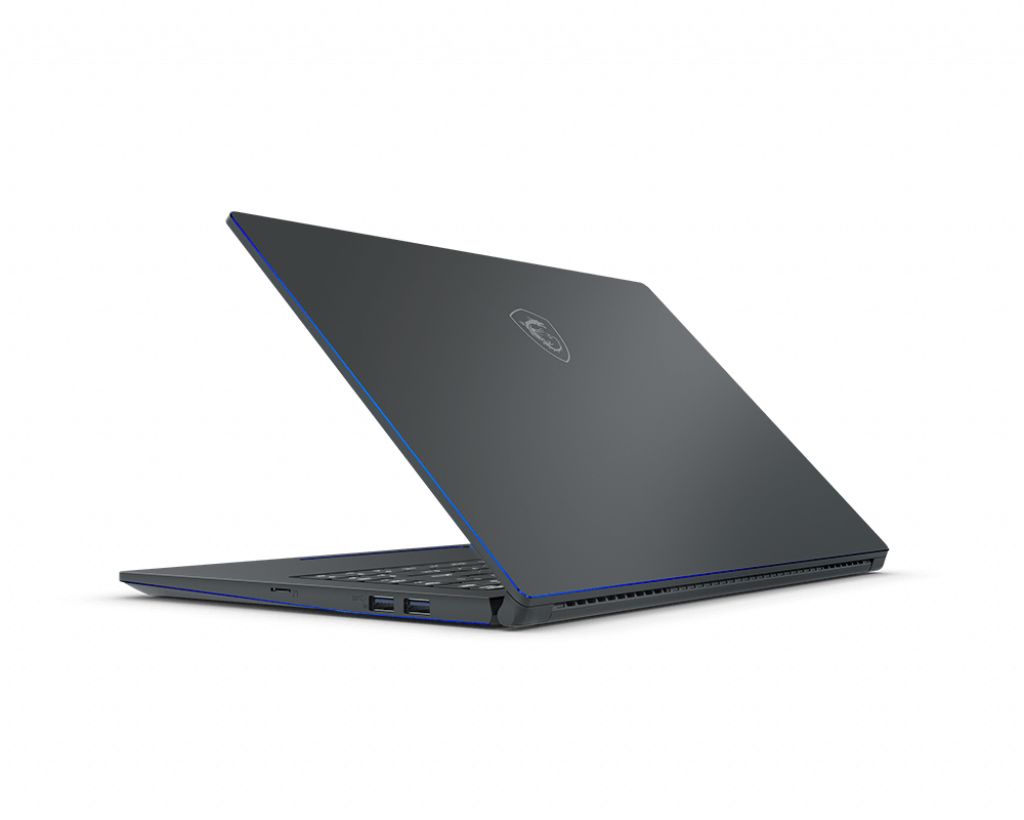
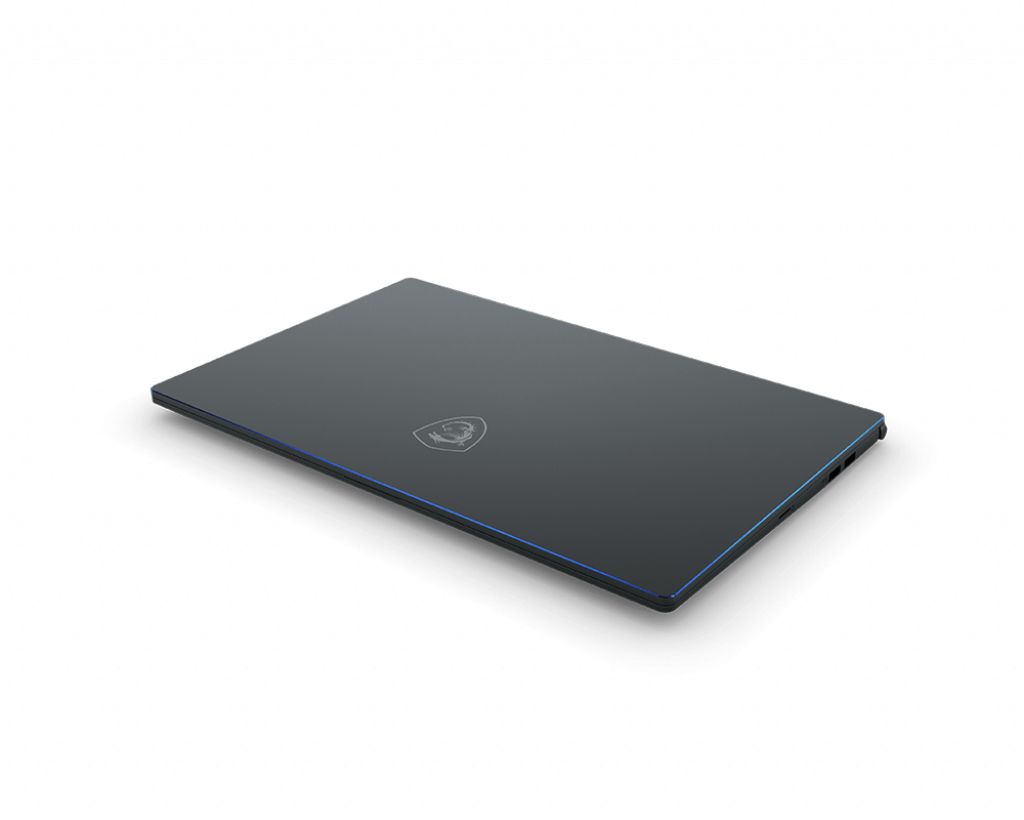
MSI Prestige PS series model PS638RC-054IT MODERN features DDR4-SDRAM memory upgrade specifications with two SO-DIMM slots supporting maximum capacity of 32 GB RAM. Laptop memory operates at 2400 MHz frequency. Compatible upgrade modules must match SO-DIMM form factor specifications. Current configuration and available slots allow for memory expansion within stated maximum capacity constraints. Detailed specifications provide information for compatible RAM module selection and installation compatibility verification.
Memory Upgrade Specifications
| Specification | Value |
|---|---|
| Memory slots | 2x SO-DIMM |
| Form factor | SO-DIMM |
| Memory type | DDR4-SDRAM |
| Frequency | 2400 MHz |
| Maximum RAM | 32 GB |
| Voltage | 1.2V |
| Number of pins | 260-pin |
| Interface | PC4 |
| PC Speed Rating | PC4-2400 (PC4-19200) |
| Bandwidth | 19.2 GB/s |
| Laptop Release date | 11 March 2019 |
Additional Notes
- Dual channel architecture requires matching memory modules in both slots to provide optimal bandwidth for the integrated graphics processing unit.
- The presence of 2 physical SO-DIMM slots allows for the total replacement of factory memory to reach the 32 GB threshold without soldering limitations.
- Installation of memory modules with frequencies exceeding 2400 MHz results in automatic downclocking to match the system bus speed governed by the motherboard chipset.
- The **MSI Prestige PS638RC-054IT MODERN** utilizes a standard voltage profile for DDR4 memory which prevents the use of older DDR3 or DDR3L hardware due to physical keying and electrical incompatibility.
- Upgrading to the maximum supported capacity likely requires the removal of existing modules if both slots are populated from the factory.
- Accessing the internal memory slots requires the removal of the bottom chassis panel which may involve piercing a factory seal sticker in certain regional markets.
- Latency timings for new RAM modules must align with the existing JEDEC profiles to ensure system stability during high load scenarios.