MSI Stealth 15M A11SDK-080FR RAM upgrade specifications
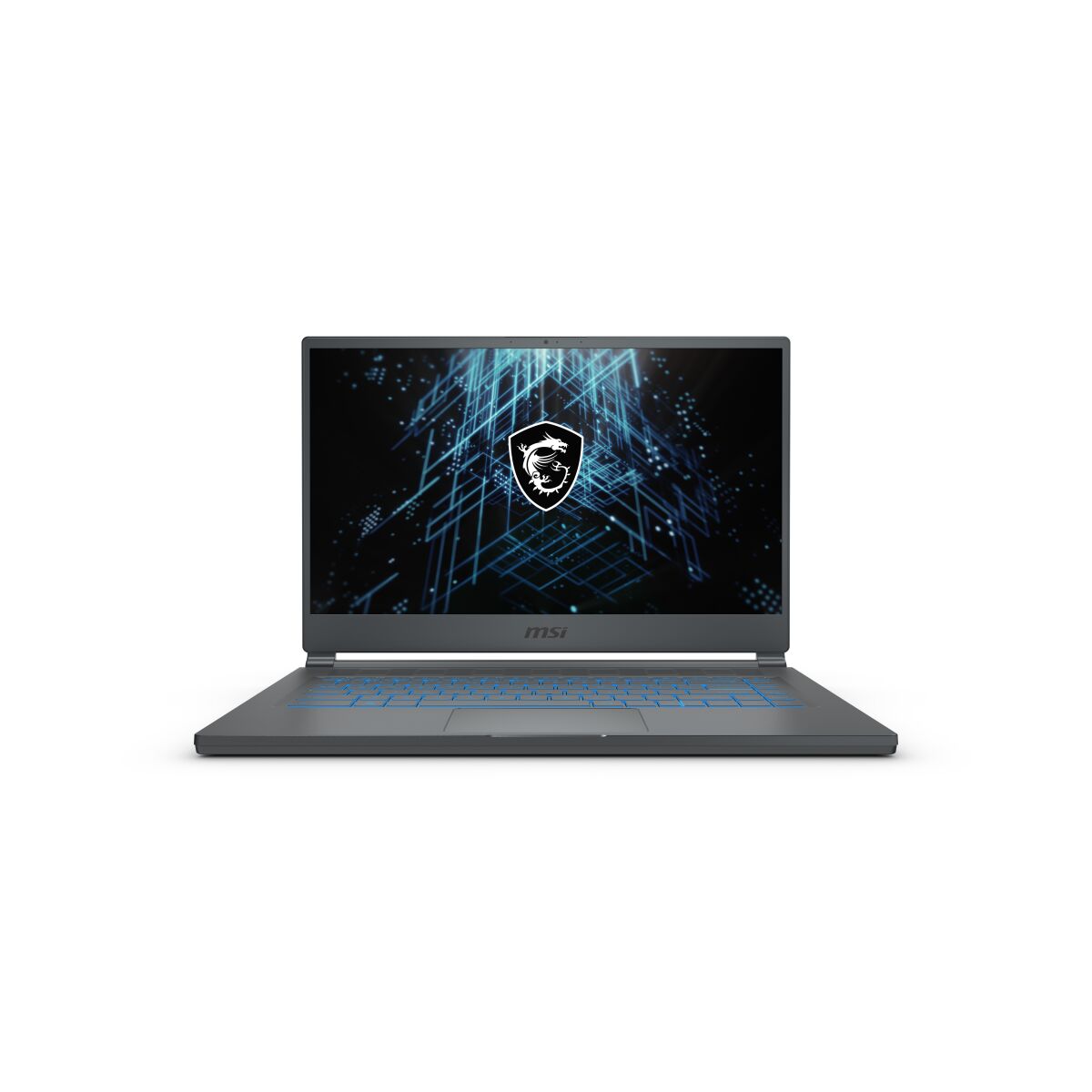
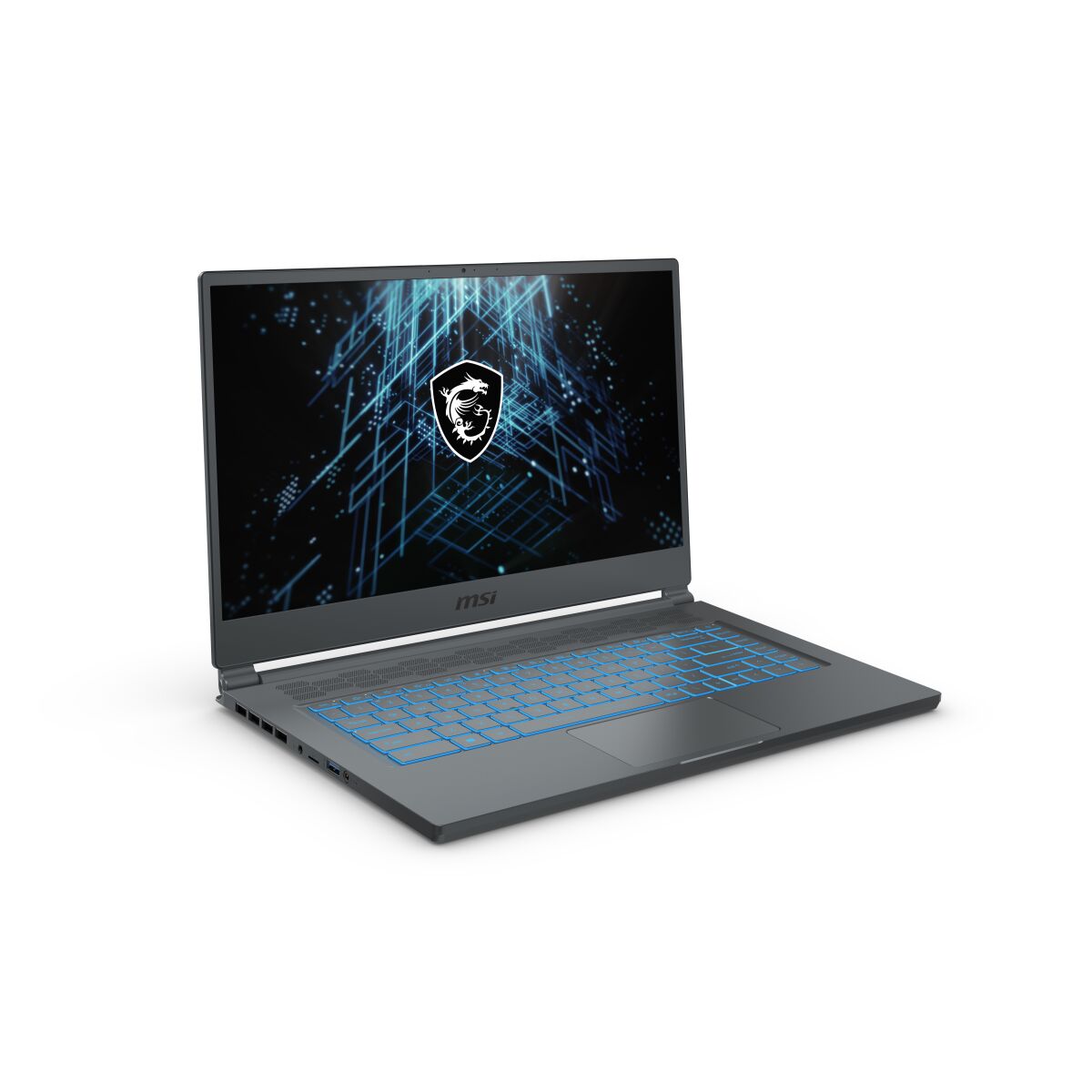
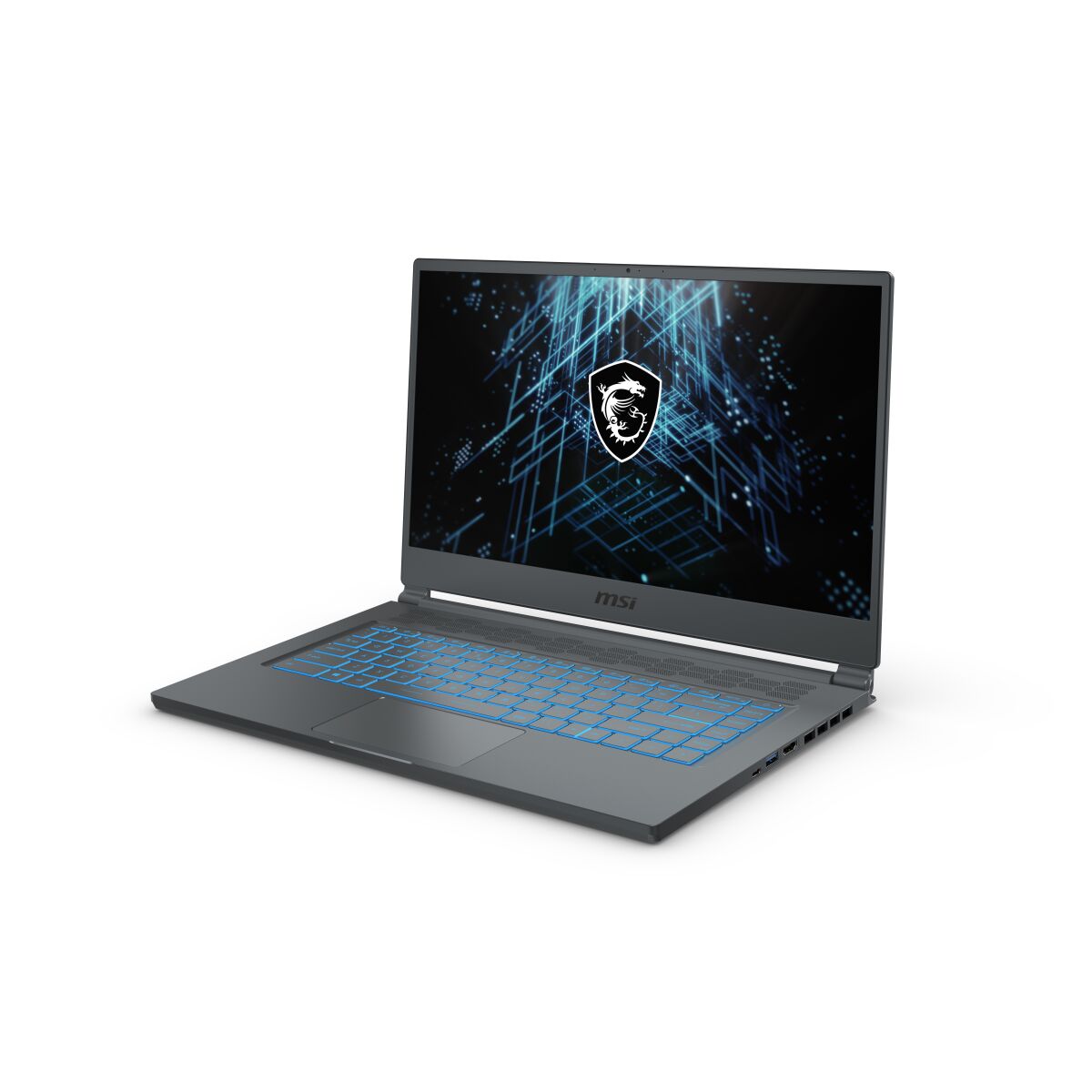
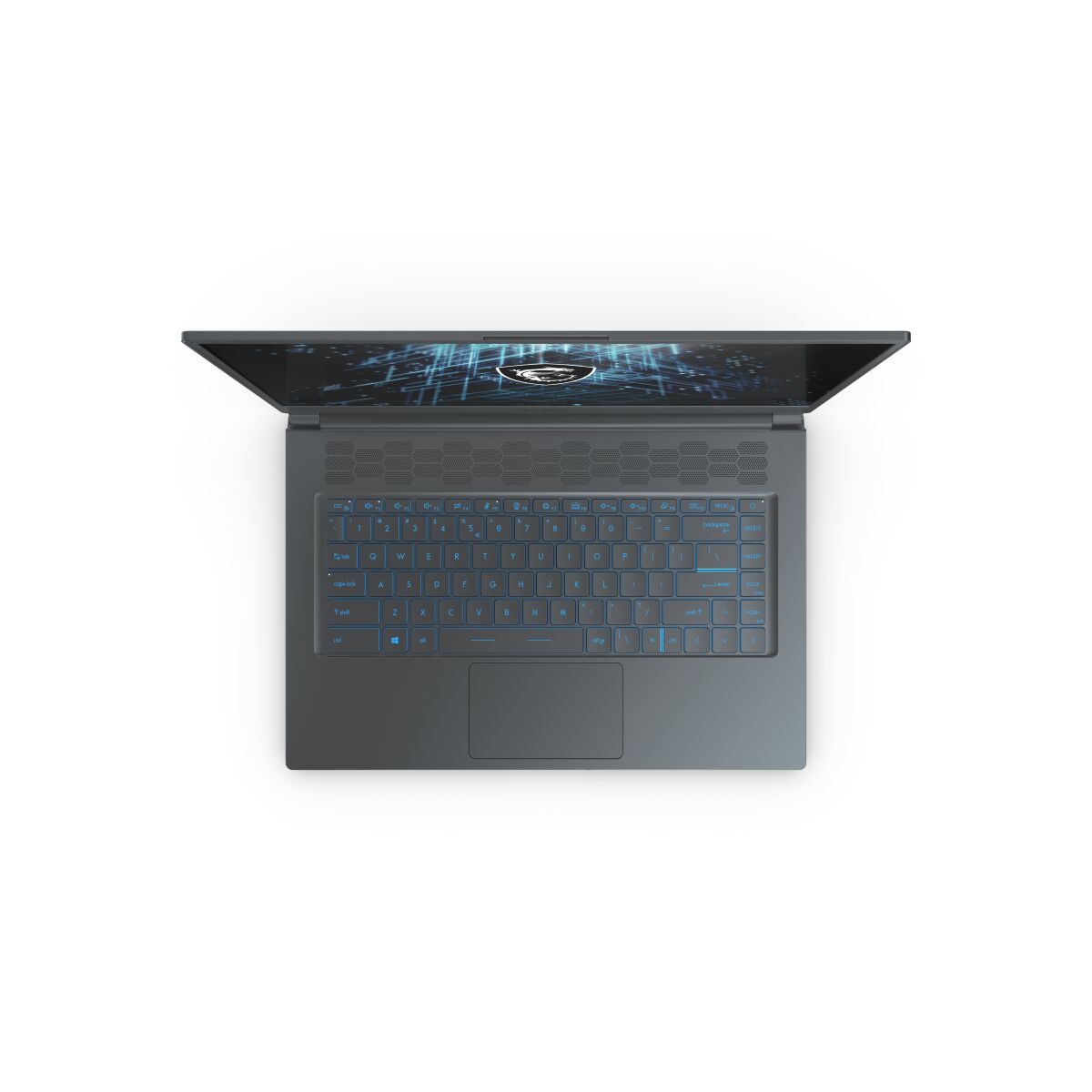
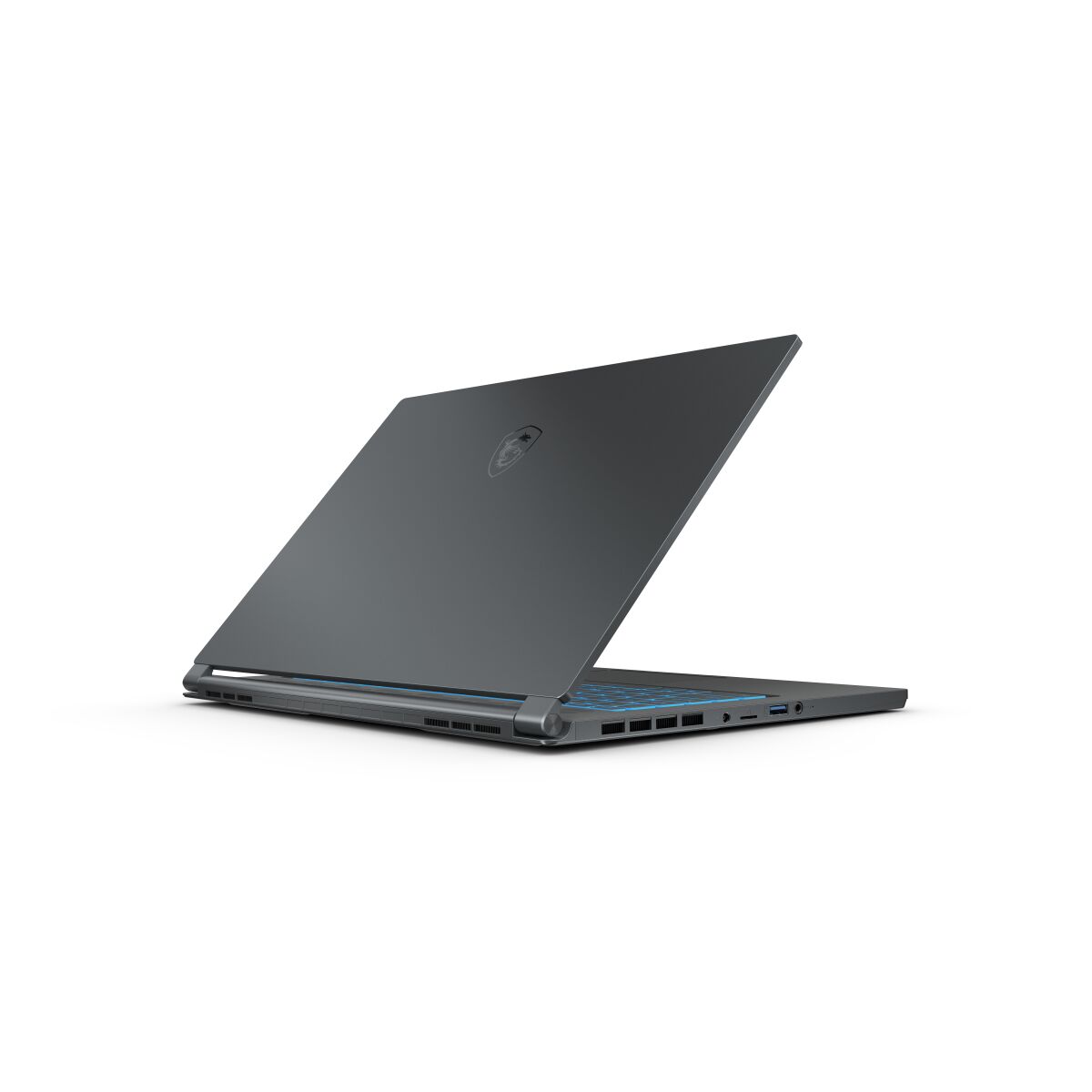
MSI 15M A11SDK-080FR Stealth series laptop supports DDR4-SDRAM memory upgrades through two SO-DIMM slots. Maximum RAM capacity reaches 64 GB total, with compatible modules operating at 3200 MHz frequency. Current specifications allow memory expansion to enhance multitasking performance and application responsiveness on this portable computing device.
Memory Upgrade Specifications
| Specification | Value |
|---|---|
| Memory slots | 2x SO-DIMM |
| Form factor | SO-DIMM |
| Memory type | DDR4-SDRAM |
| Frequency | 3200 MHz |
| Maximum RAM | 64 GB |
| Voltage | 1.2V |
| Number of pins | 260-pin |
| Interface | PC4 |
| PC Speed Rating | PC4-3200 (PC4-25600) |
| Bandwidth | 25.6 GB/s |
| Laptop Release date | 01 January 2021 |
Additional Notes
- The MSI Stealth 15M A11SDK-080FR contains 2 SO-DIMM slots, limiting total capacity expansion to 64 GB across both sockets rather than enabling staggered upgrades across more slots.
- DDR4-3200 memory modules operate at fixed frequency specifications; mixing modules rated below 3200 MHz will downclock all installed RAM to the slowest module's speed, creating system-wide latency penalties.
- SO-DIMM form factor requires low-profile memory modules (maximum 32 mm height); standard desktop DDR4 DIMMs cannot physically install, restricting sourcing options to laptop-specific inventory.
- Dual-channel memory architecture with 2 slots means optimal performance requires matched pair configurations; single-module installations forfeit approximately 5-8% bandwidth efficiency versus symmetric dual-channel population.
- Maximum supported capacity of 64 GB equates to 32 GB per slot as the practical ceiling; modules exceeding this per-socket density may register at reduced capacity or fail POST detection.
- DDR4-3200 frequency compatibility assumes BIOS versions from the 11th-generation mobile processor era; firmware updates released after production may alter supported speed profiles or add tighter timings.
- SO-DIMM slot clearance in ultrabook chassis typically permits minimal mechanical tolerance; installation pressure must be applied evenly to avoid contact damage to adjacent components or connector pins.