MSI Stealth 15M A11SDK-015UK RAM upgrade specifications
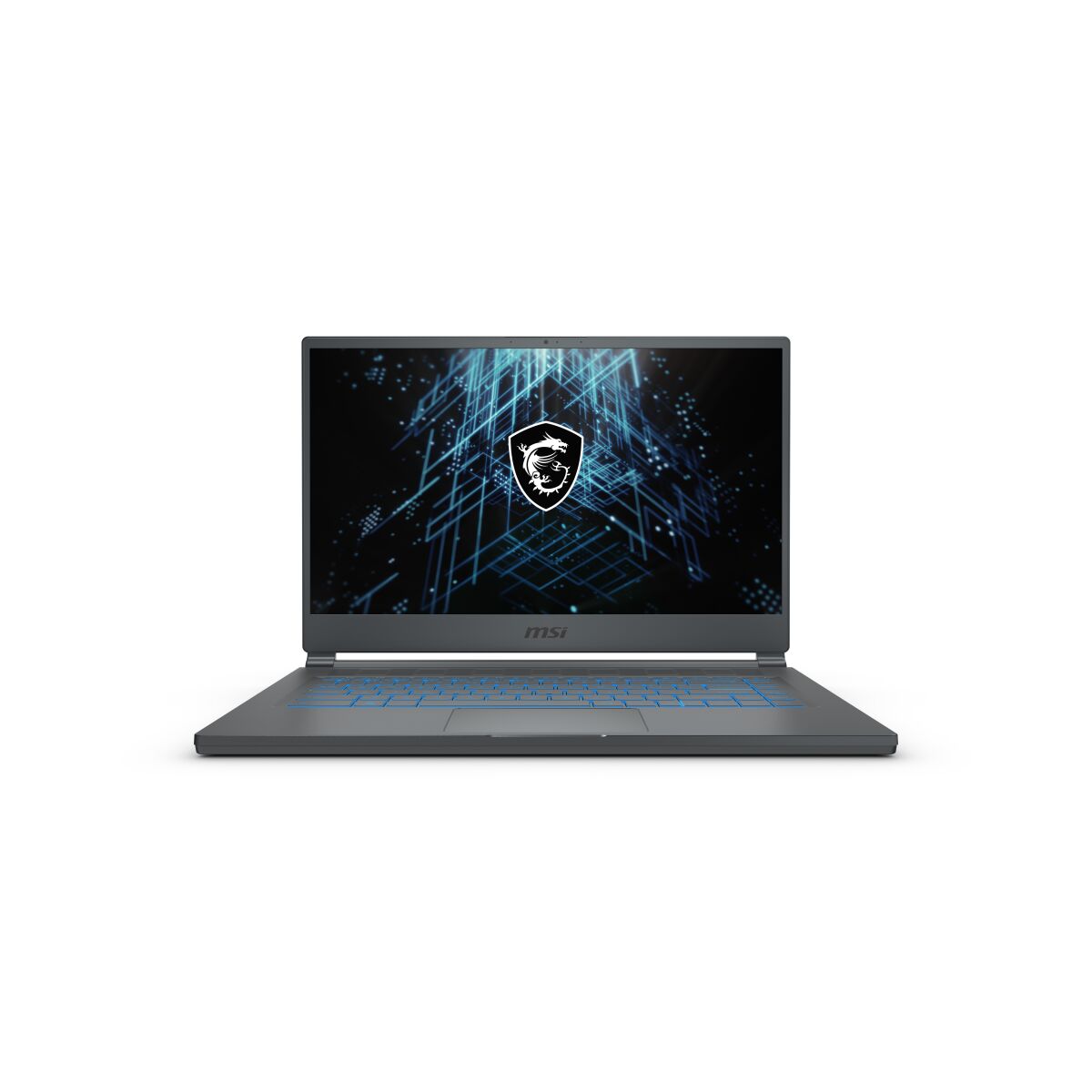



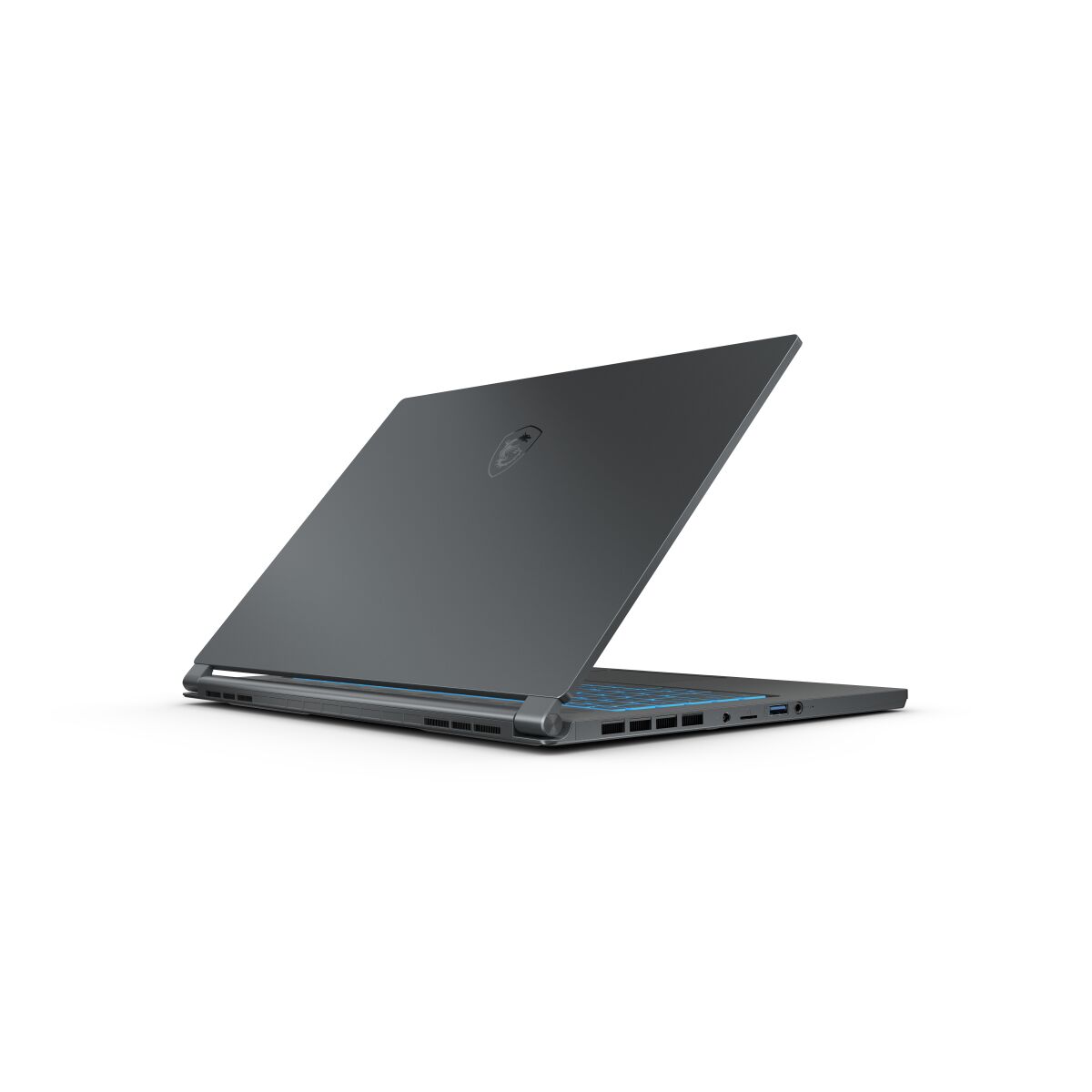
MSI Stealth 15M A11SDK-015UK laptop supports DDR4-SDRAM memory upgrades via 2x SO-DIMM slots. Compatible memory operates at 3200 MHz frequency with maximum upgrade capacity of 64 GB total RAM. SO-DIMM form factor specifications enable straightforward memory expansion for enhanced multitasking performance and system responsiveness on this mobile computing platform.
Memory Upgrade Specifications
| Specification | Value |
|---|---|
| Memory slots | 2x SO-DIMM |
| Form factor | SO-DIMM |
| Memory type | DDR4-SDRAM |
| Frequency | 3200 MHz |
| Maximum RAM | 64 GB |
| Voltage | 1.2V |
| Number of pins | 260-pin |
| Interface | PC4 |
| PC Speed Rating | PC4-3200 (PC4-25600) |
| Bandwidth | 25.6 GB/s |
| Laptop Release date | 28 August 2020 |
Additional Notes
- The MSI Stealth 15M A11SDK-015UK uses SO-DIMM modules, which are physically smaller than standard desktop DIMMs and require careful insertion at a shallow angle to avoid connector damage during installation.
- DDR4-3200 memory operates at a fixed frequency; mixing modules of different speeds will throttle all memory to the slowest module's specification, reducing overall system performance.
- Dual SO-DIMM architecture means maximum capacity of 64 GB requires 2x32 GB modules; upgrading to single larger modules leaves one slot unused, preventing future expansion.
- The 64 GB ceiling reflects hardware controller limitations on this platform; no firmware update or BIOS revision can override this physical maximum.
- DDR4-3200 is a JEDEC standard frequency, ensuring broad compatibility across manufacturers, but non-standard timings or voltages may cause system instability or boot failures on this particular model.
- SO-DIMM modules generate higher power density than desktop equivalents, increasing thermal load near the memory slots; inadequate airflow during full-load operations may reduce module lifespan.
- Warranty coverage for user-installed RAM typically requires components purchased from authorized retailers; third-party modules may void coverage even if technically compatible.
- The 2-slot configuration creates a single point of failure; loss of one module disables the system entirely, unlike platforms with 4 or more slots that allow degraded operation.