MSI Summit B15 A11MT-232AU RAM upgrade specifications



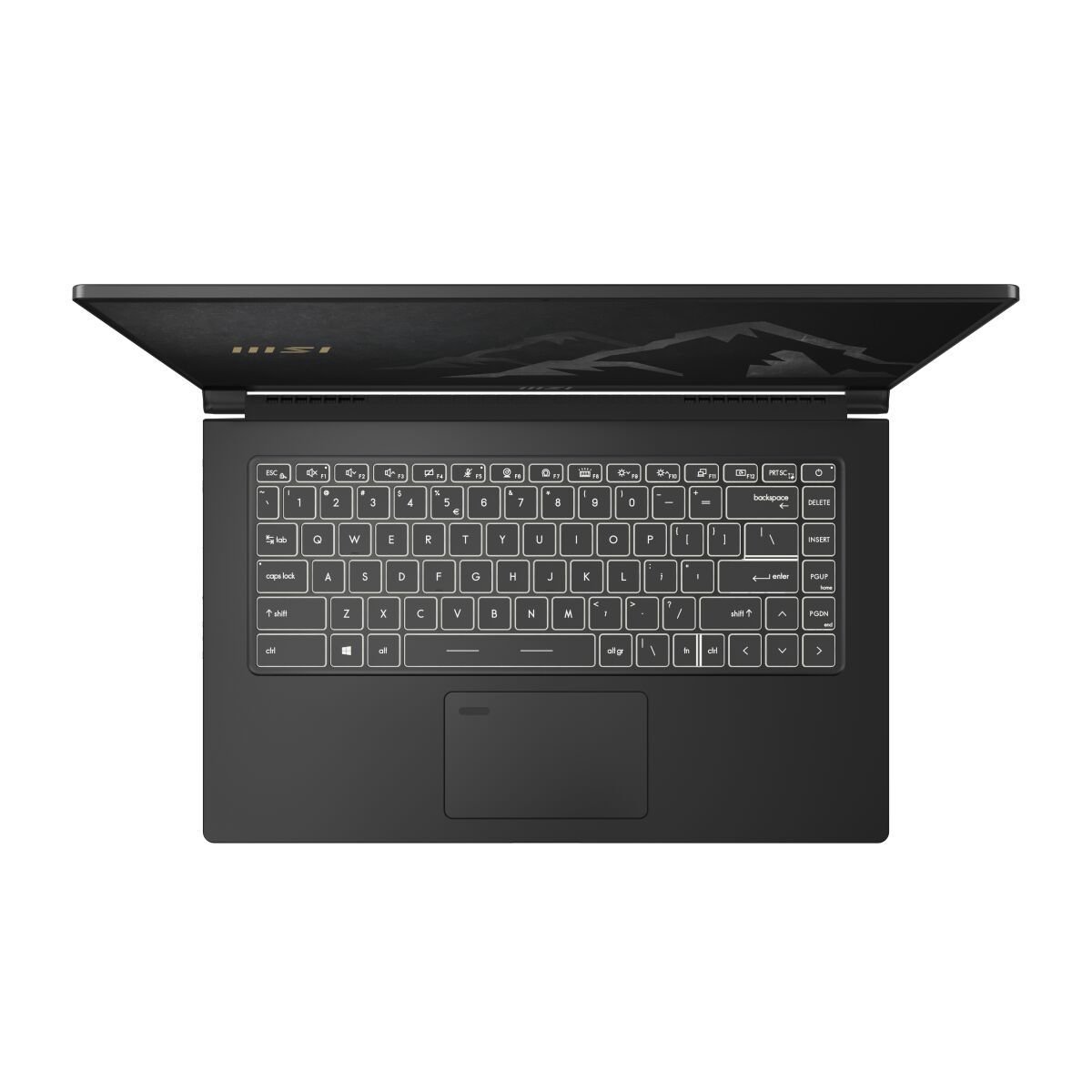
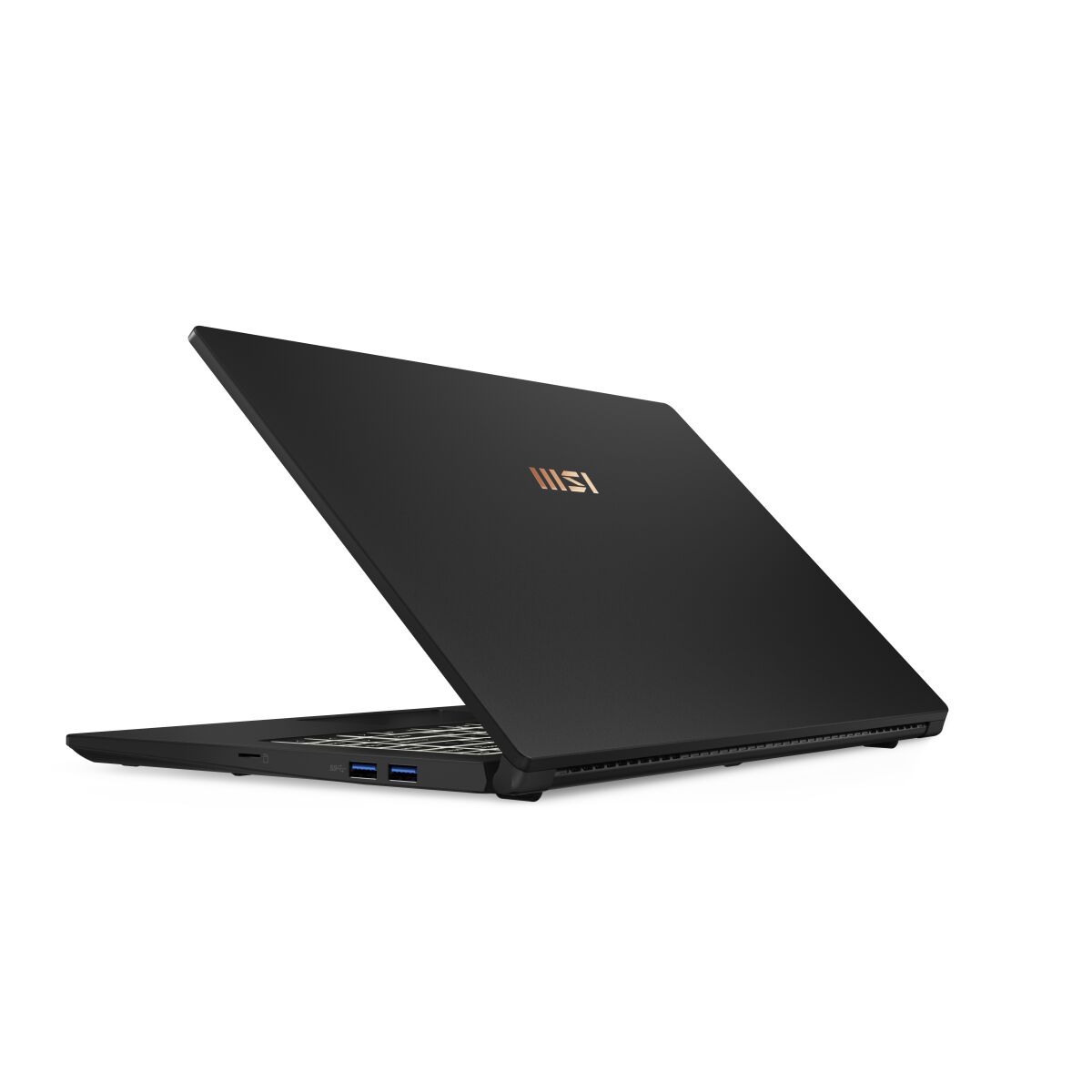
MSI B15 A11MT-232AU Summit series laptop supports DDR4-SDRAM memory upgrades via 2x SO-DIMM slots. Compatible RAM specifications include 3200 MHz frequency modules with SO-DIMM form factor. Maximum memory capacity reaches 64 GB total. Current upgrade options allow installation of higher-capacity modules to expand system RAM beyond factory specifications.
Memory Upgrade Specifications
| Specification | Value |
|---|---|
| Memory slots | 2x SO-DIMM |
| Form factor | SO-DIMM |
| Memory type | DDR4-SDRAM |
| Frequency | 3200 MHz |
| Maximum RAM | 64 GB |
| Voltage | 1.2V |
| Number of pins | 260-pin |
| Interface | PC4 |
| PC Speed Rating | PC4-3200 (PC4-25600) |
| Bandwidth | 25.6 GB/s |
| Laptop Release date | 07 April 2021 |
Additional Notes
- The MSI Summit B15 A11MT-232AU supports dual-channel memory architecture, enabling doubled theoretical bandwidth when both SO-DIMM slots are populated with matched modules.
- Desktop-standard DIMM modules are physically incompatible due to the SO-DIMM slot specification, requiring notebook-specific form factor modules measuring approximately 67.6 mm in length versus 133.35 mm for standard DIMMs.
- The 3200 MHz frequency specification indicates PC4-25600 rated modules are required for optimal performance, as lower-speed modules will force the memory controller to operate below its maximum throughput capacity.
- Achieving the 64 GB maximum capacity requires two 32 GB SO-DIMM modules, which typically operate at higher density configurations and may carry premium pricing compared to more common 16 GB or 8 GB modules.
- DDR5 modules are electrically and physically incompatible with the DDR4-SDRAM specification, preventing migration to newer memory standards without replacing the entire system.
- Single-channel configurations using only one populated slot will halve available memory bandwidth, potentially creating bottlenecks in applications that rely on high memory throughput such as video editing or 3D rendering.
- Mixing modules with different speeds will force all installed memory to run at the lowest common frequency, negating the performance benefits of any higher-rated modules in the configuration.
- Non-matching module capacities between slots will still enable dual-channel operation but only for the capacity range where both slots are populated, reverting the excess capacity to single-channel mode.
- Operating voltage requirements for DDR4-3200 standard modules are typically 1.2V, and modules requiring XMP/overclocking profiles above this voltage may not achieve rated speeds without BIOS support for such profiles.
- The absence of ECC support indication suggests standard unbuffered non-ECC SO-DIMMs are required, as ECC modules would be incompatible with the memory controller architecture.