MSI Summit E15 A11SCS-082FR RAM upgrade specifications
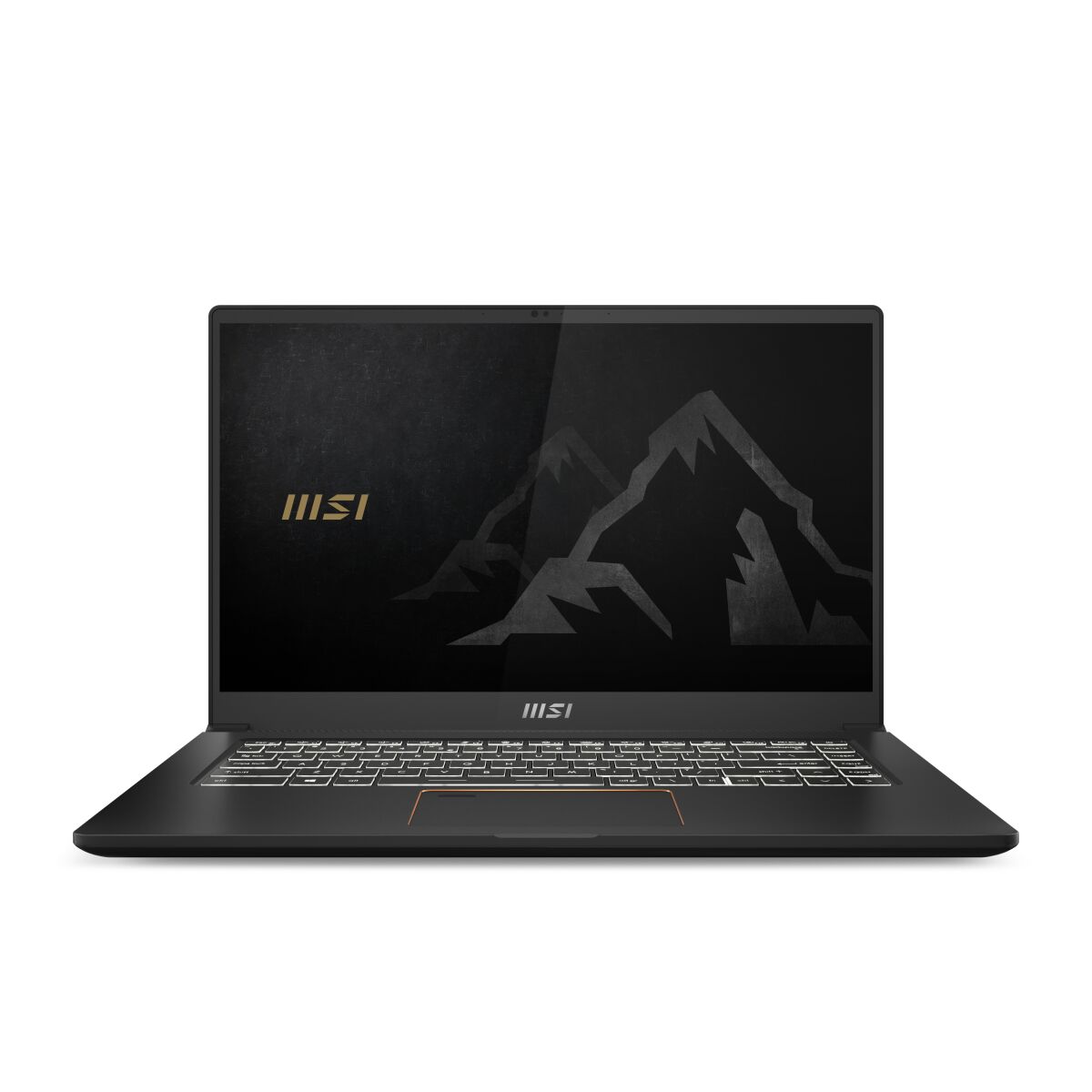
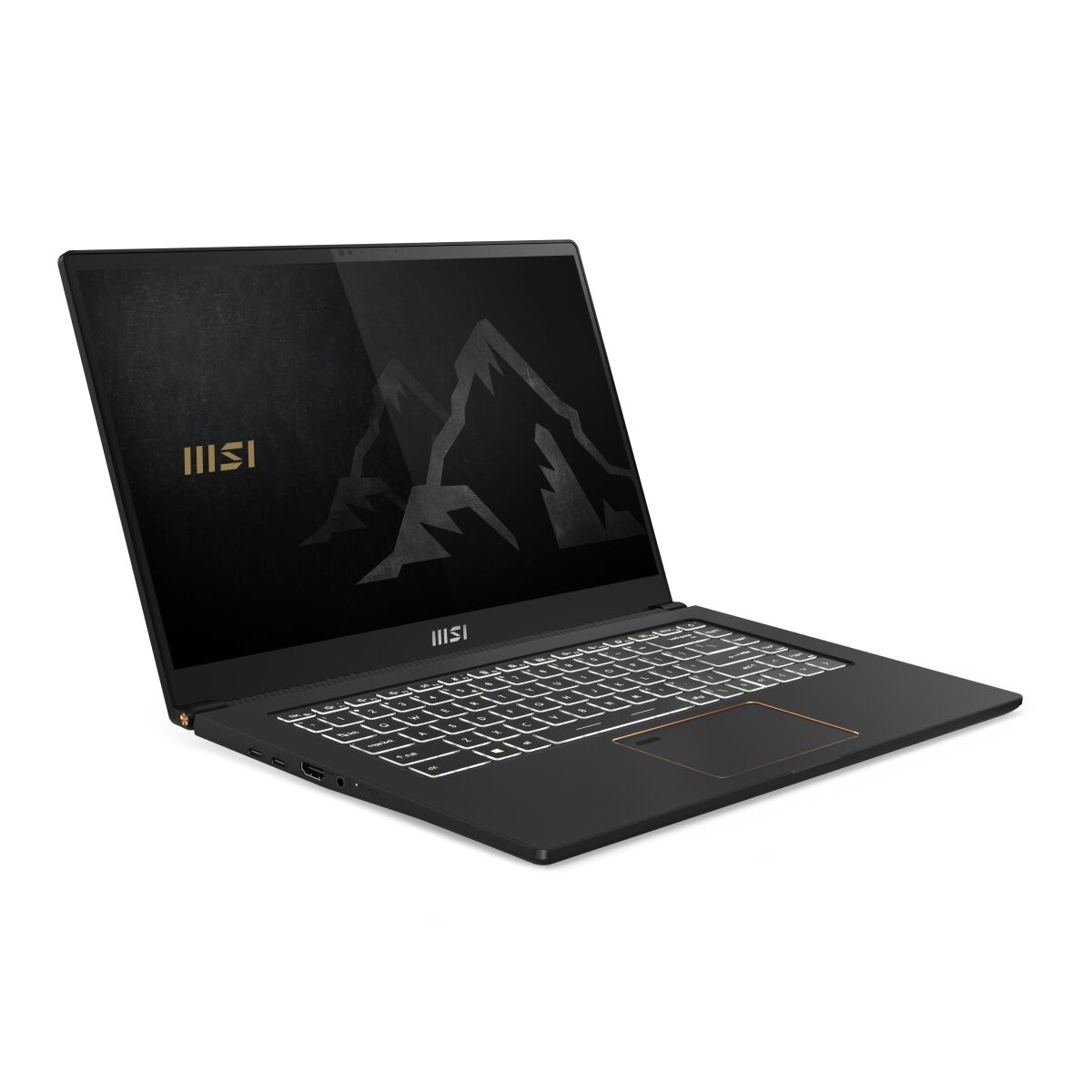
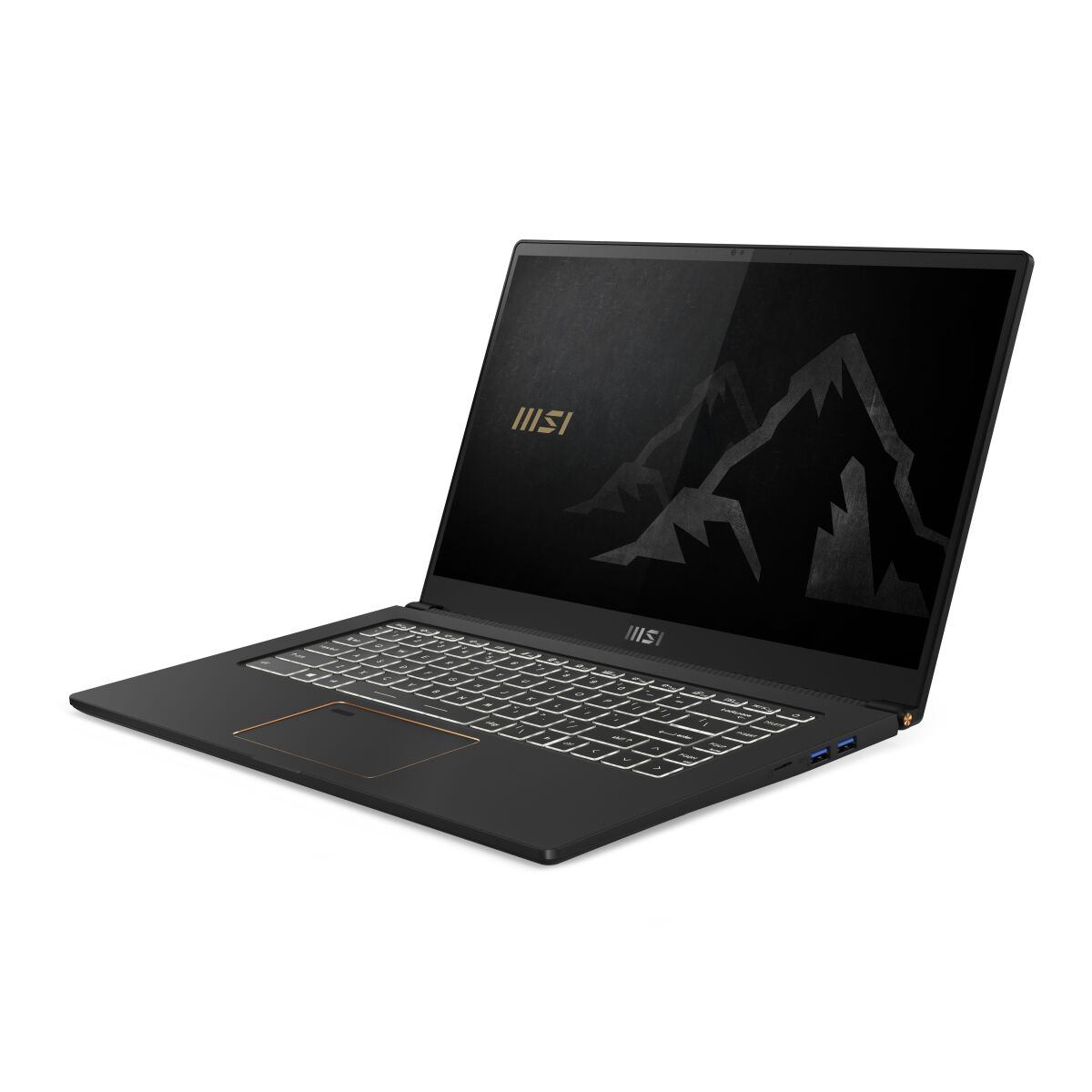
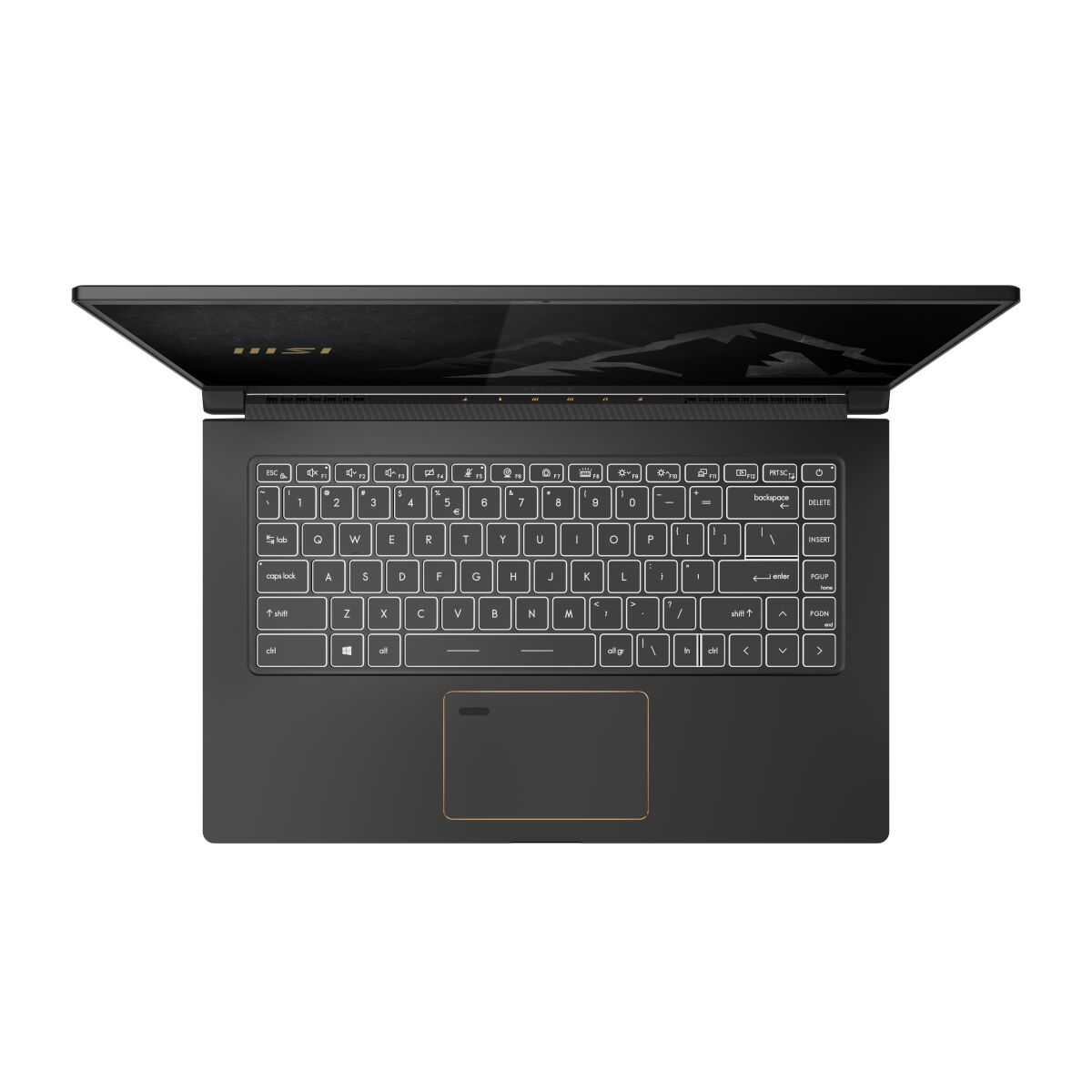
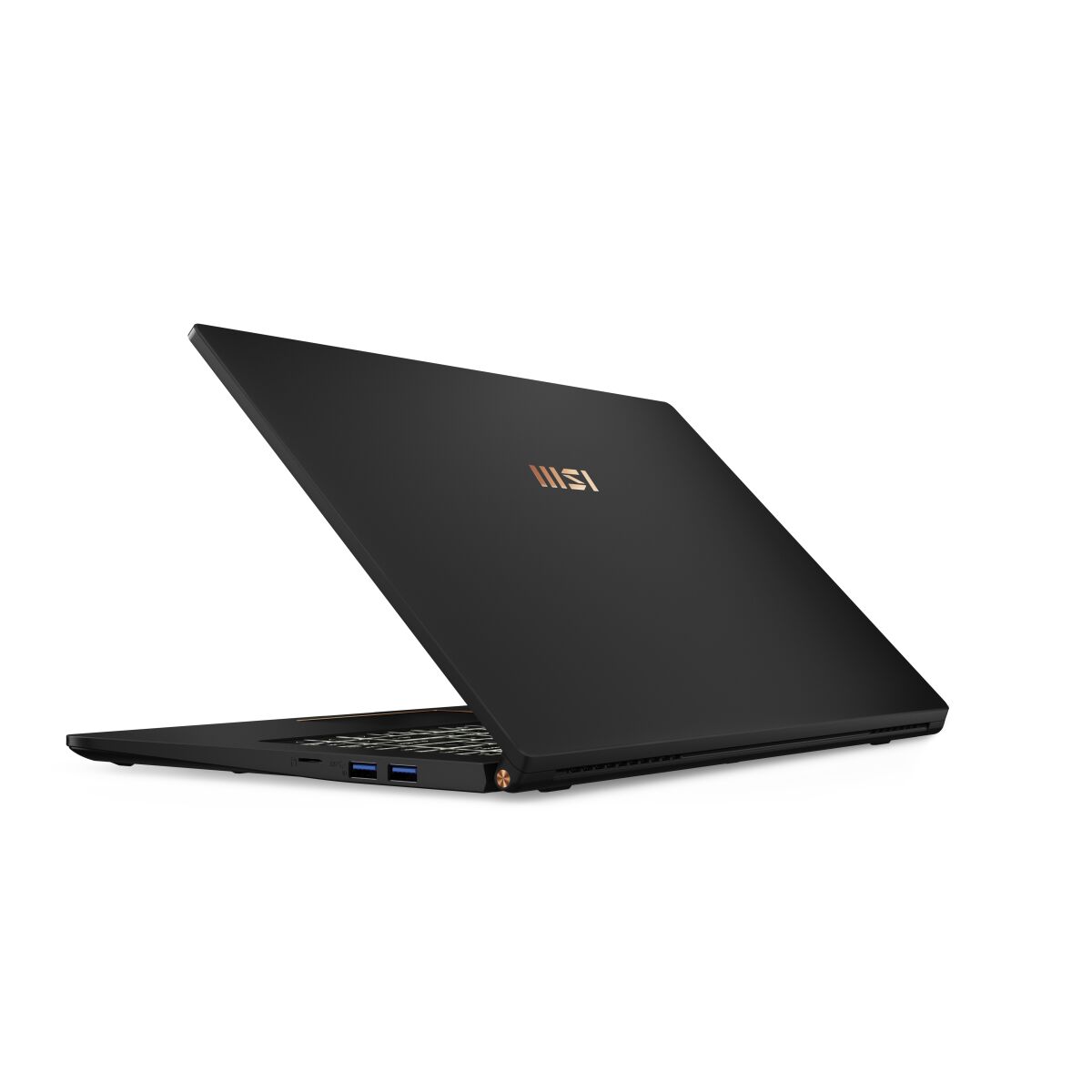
MSI E15 A11SCS-082FR Summit series laptop supports DDR4-SDRAM memory upgrades. The system features 2x SO-DIMM slots compatible with DDR4-SDRAM modules at 2666 MHz frequency. Maximum RAM capacity reaches 64 GB total. Current upgrade specifications indicate the E15 A11SCS-082FR can accommodate enhanced memory configurations through SO-DIMM form factor modules. Existing memory slots allow for modular RAM upgrades to expand system capacity within specified parameters and compatibility requirements.
Memory Upgrade Specifications
| Specification | Value |
|---|---|
| Memory slots | 2x SO-DIMM |
| Form factor | SO-DIMM |
| Memory type | DDR4-SDRAM |
| Frequency | 2666 MHz |
| Maximum RAM | 64 GB |
| Voltage | 1.2V |
| Number of pins | 260-pin |
| Interface | PC4 |
| PC Speed Rating | PC4-2666 (PC4-21328) |
| Bandwidth | 21.3 GB/s |
| Laptop Release date | 28 September 2020 |
Additional Notes
- The MSI Summit E15 A11SCS-082FR uses DDR4-SDRAM at 2666 MHz, which represents a bandwidth ceiling of approximately 21 GB/s per channel. This frequency is below the DDR4-3200 standard common in contemporary mobile processors, potentially creating a 20 percent throughput deficit compared to higher-frequency configurations in memory-intensive operations.
- Dual SO-DIMM architecture with 64 GB capacity ceiling indicates that symmetrical dual-channel population is possible but not mandatory. Asymmetric configurations will force single-channel operation on mismatched modules, reducing effective bandwidth to half and introducing latency penalties in applications relying on parallel memory access patterns.
- The 2x SO-DIMM slot configuration presents a physical constraint: 32 GB modules represent the highest capacity per slot currently manufactured at DDR4 specification. Reaching the 64 GB maximum requires both slots populated with matched 32 GB DDR4-2666 components, leaving no upgrade path beyond this ceiling without complete module replacement.
- DDR4-2666 compatibility typically spans 7th through 11th generation mobile processors in consumer segments. Processors from 12th generation onward commonly mandate DDR5 memory, making DDR4 modules sourced as upgrades non-compatible with potential future processor swaps during platform refresh cycles.
- SO-DIMM form factor tolerates vendor variance in manufacturing. Modules from non-primary OEMs occasionally experience intermittent recognition or thermal throttling under sustained workload. Single-vendor sourcing from the original equipment manufacturer or established memory specialists reduces compatibility risk during installation.