MSI Summit E15 A11SCS-402IT RAM upgrade specifications
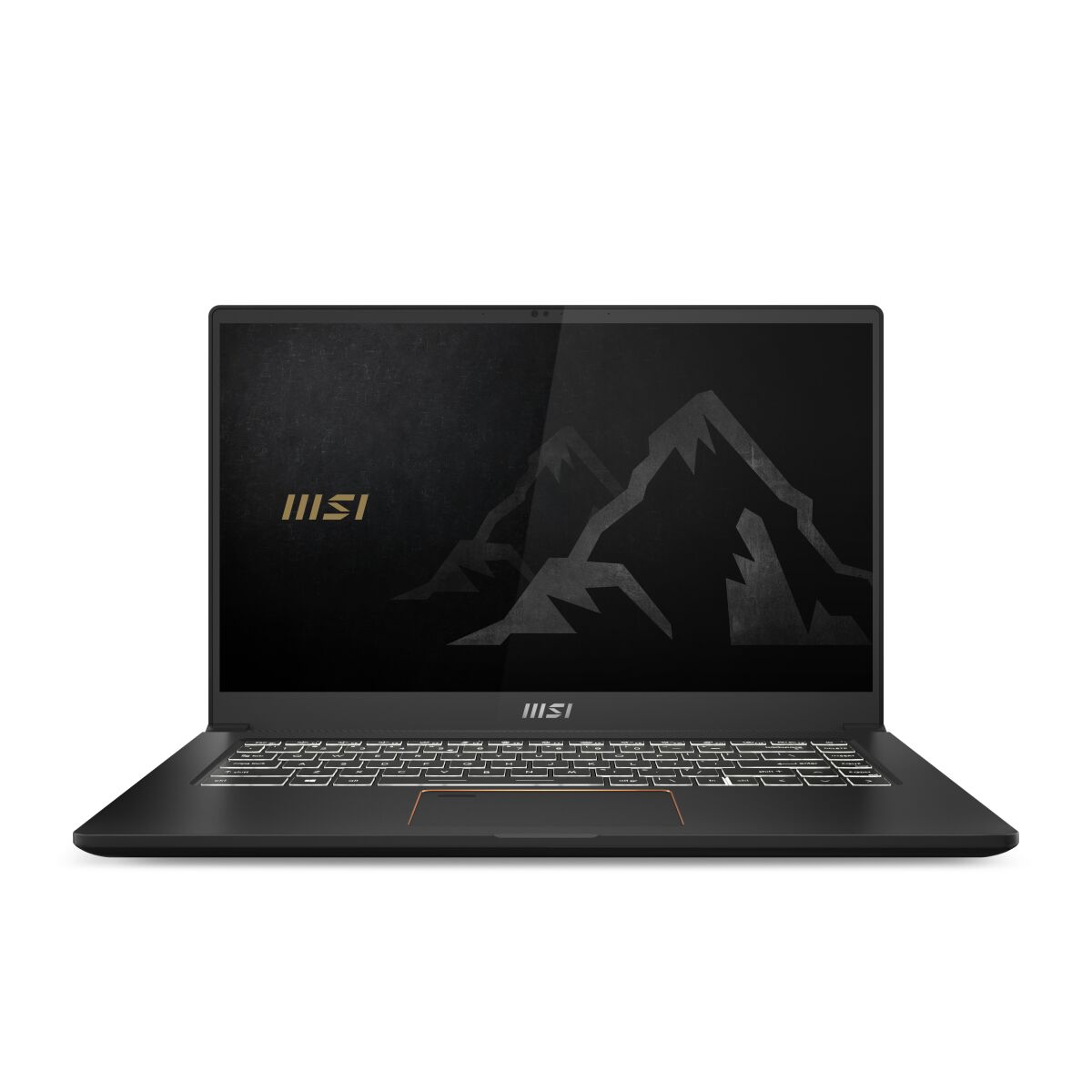

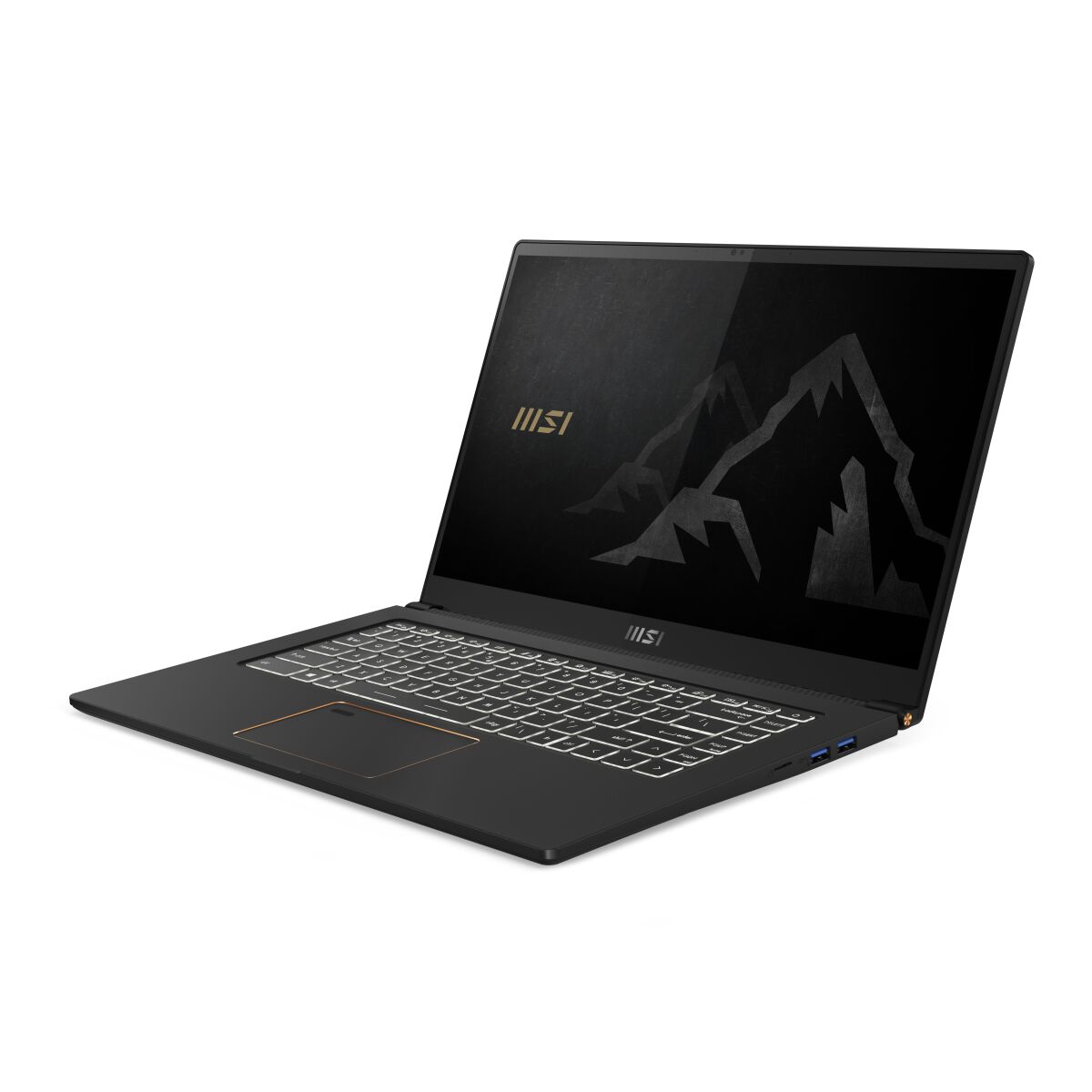
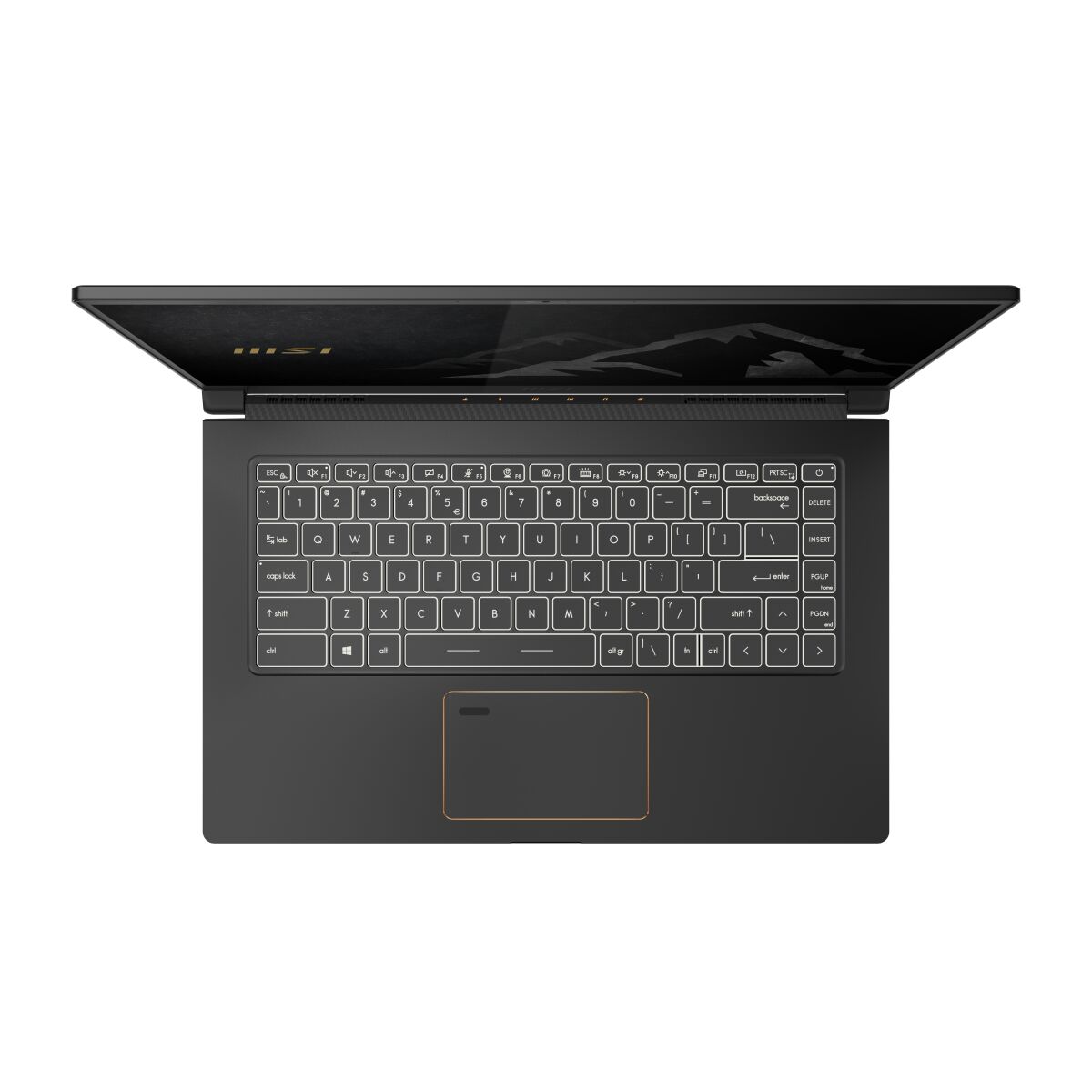
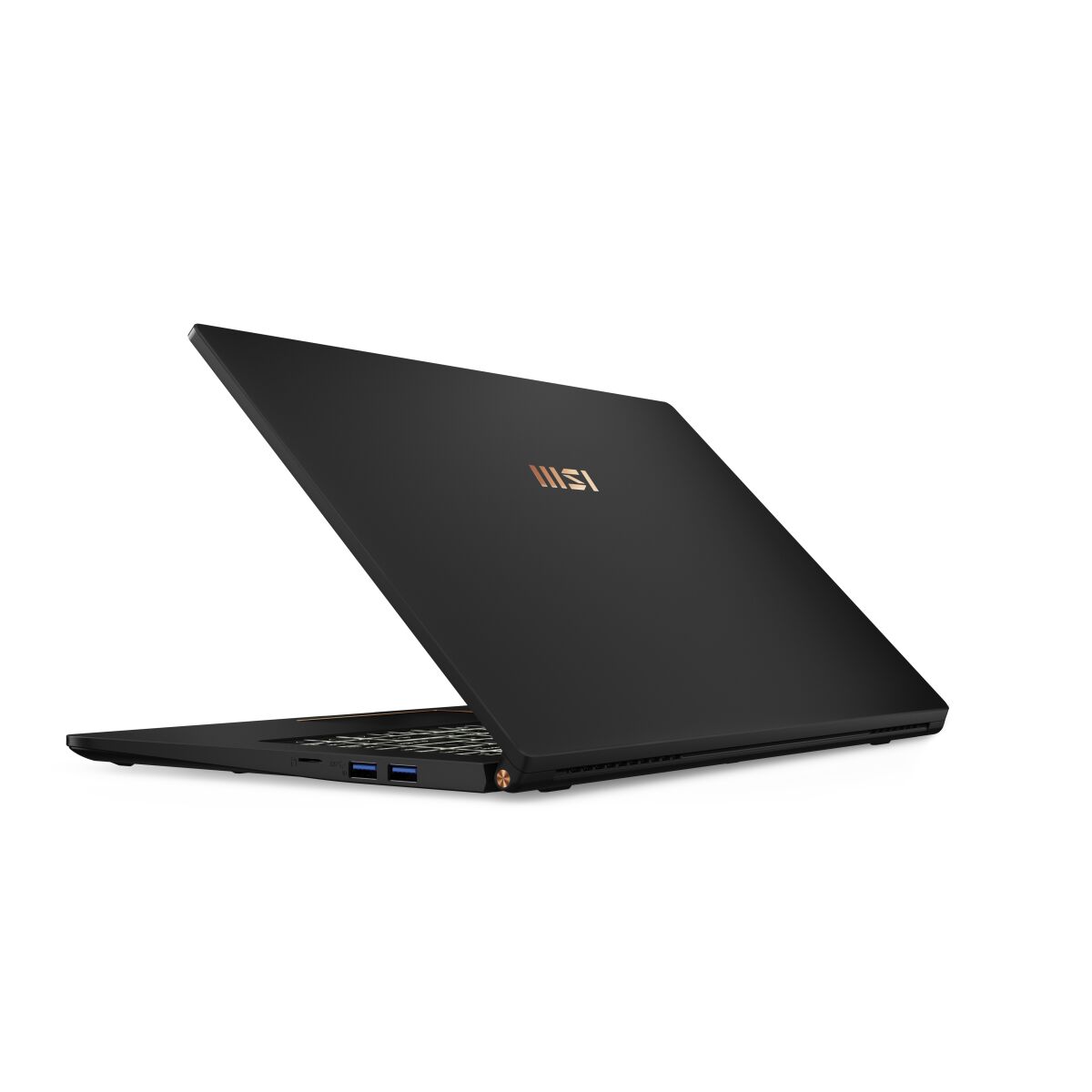
The MSI Summit E15 A11SCS-402IT laptop memory upgrade features two SO-DIMM slots supporting DDR4-SDRAM memory modules operating at 2666 MHz. The maximum RAM capacity reaches 64 GB total. Specifications indicate compatible memory upgrades utilize the SO-DIMM form factor, enabling users to expand the device's memory beyond stock configurations. Current memory slots accommodate DDR4 technology, with upgrade options available up to the maximum capacity threshold. RAM specifications for this MSI model remain consistent with industry-standard laptop memory protocols and DDR4 compatibility standards.
Memory Upgrade Specifications
| Specification | Value |
|---|---|
| Memory slots | 2x SO-DIMM |
| Form factor | SO-DIMM |
| Memory type | DDR4-SDRAM |
| Frequency | 2666 MHz |
| Maximum RAM | 64 GB |
| Voltage | 1.2V |
| Number of pins | 260-pin |
| Interface | PC4 |
| PC Speed Rating | PC4-2666 (PC4-21328) |
| Bandwidth | 21.3 GB/s |
| Laptop Release date | 14 December 2020 |
Additional Notes
- The MSI Summit E15 A11SCS-402IT utilizes DDR4-2666 SO-DIMM modules, which operate at a lower frequency than DDR4-3200, resulting in approximately 20% less memory bandwidth in theoretical data transfer scenarios.
- Installing 64 GB total capacity requires 2 modules of 32 GB each, as only 2 physical slots are available on the motherboard.
- Modules rated at higher frequencies such as DDR4-3200 will downclock to 2666 MHz when installed, as the system memory controller enforces the 2666 MHz ceiling regardless of module specifications.
- Dual-channel configuration becomes mandatory for accessing full memory bandwidth, requiring installation of 2 identical modules rather than a single stick.
- The 2666 MHz frequency indicates an 11th generation Intel Core processor limitation, as this speed tier was standard for mobile chips from that architecture generation.
- Mixing modules with different latency timings may force the system to adopt the slower timing profile across both channels, potentially reducing overall responsiveness in memory-intensive operations.
- SO-DIMM form factor restricts compatibility to laptop-specific memory modules, making desktop DIMM inventory incompatible regardless of matching DDR4 specifications.
- The 64 GB ceiling represents a hard limitation enforced by the chipset or CPU memory controller, preventing recognition of higher-capacity configurations even if physically installed.
- Memory access latency increases proportionally with module capacity at identical frequencies, meaning 32 GB modules exhibit marginally higher latency than 16 GB alternatives operating at 2666 MHz.
- Warranty preservation typically requires avoiding removal of factory-installed memory until the warranty period expires, as breaking seals on the memory compartment may void coverage depending on regional service policies.