MSI Summit E15 A11SCST-056 RAM upgrade specifications
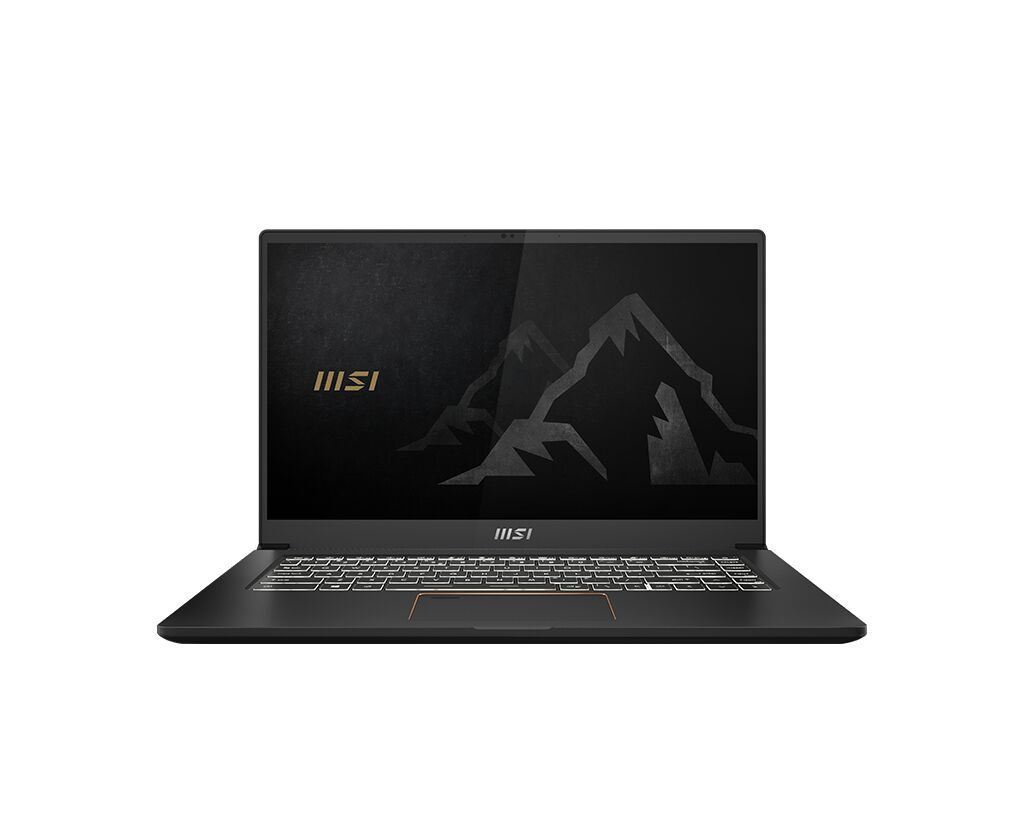
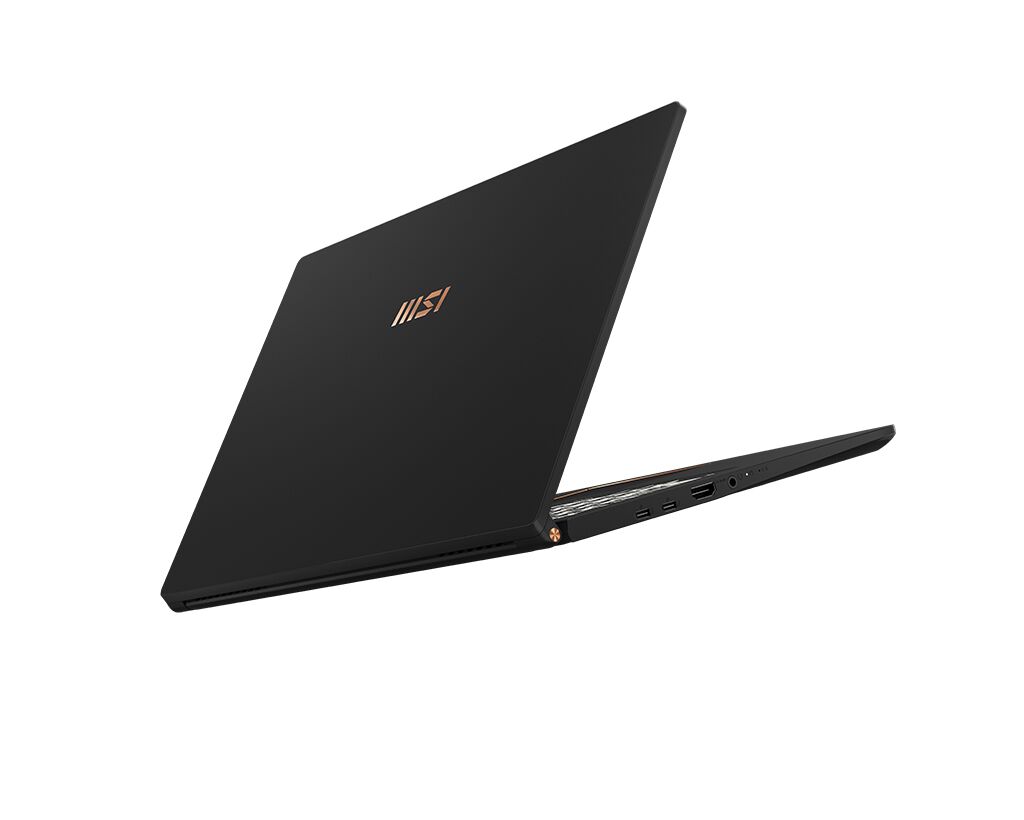
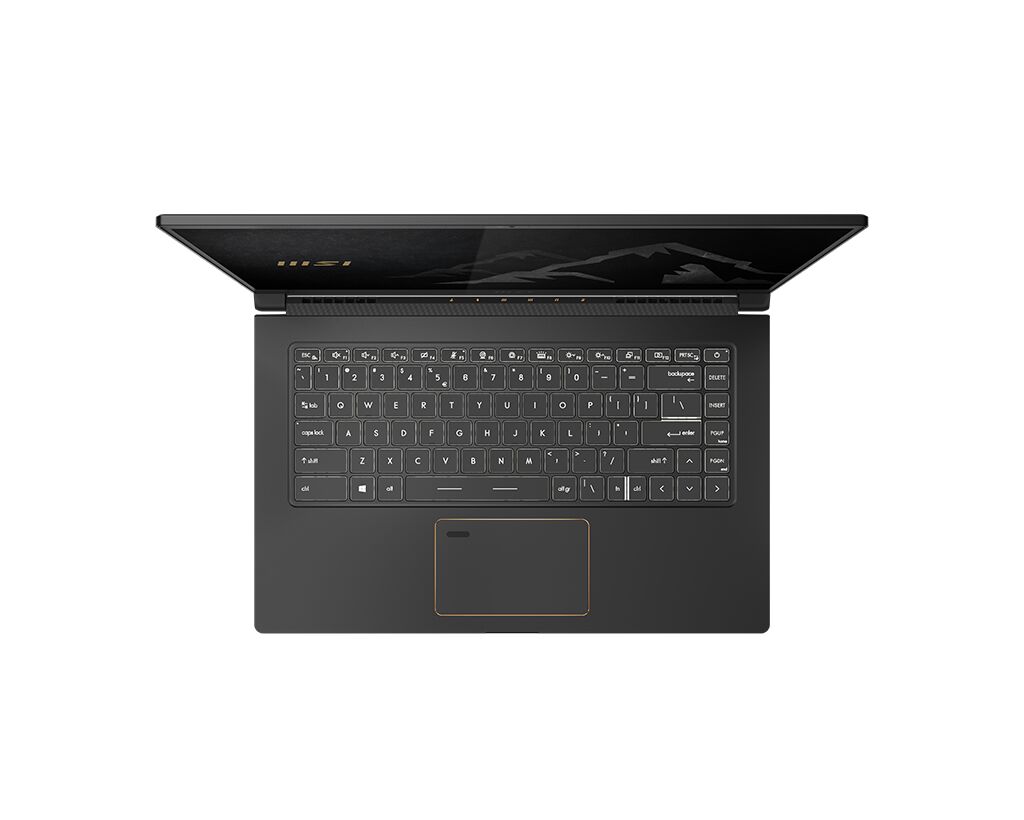
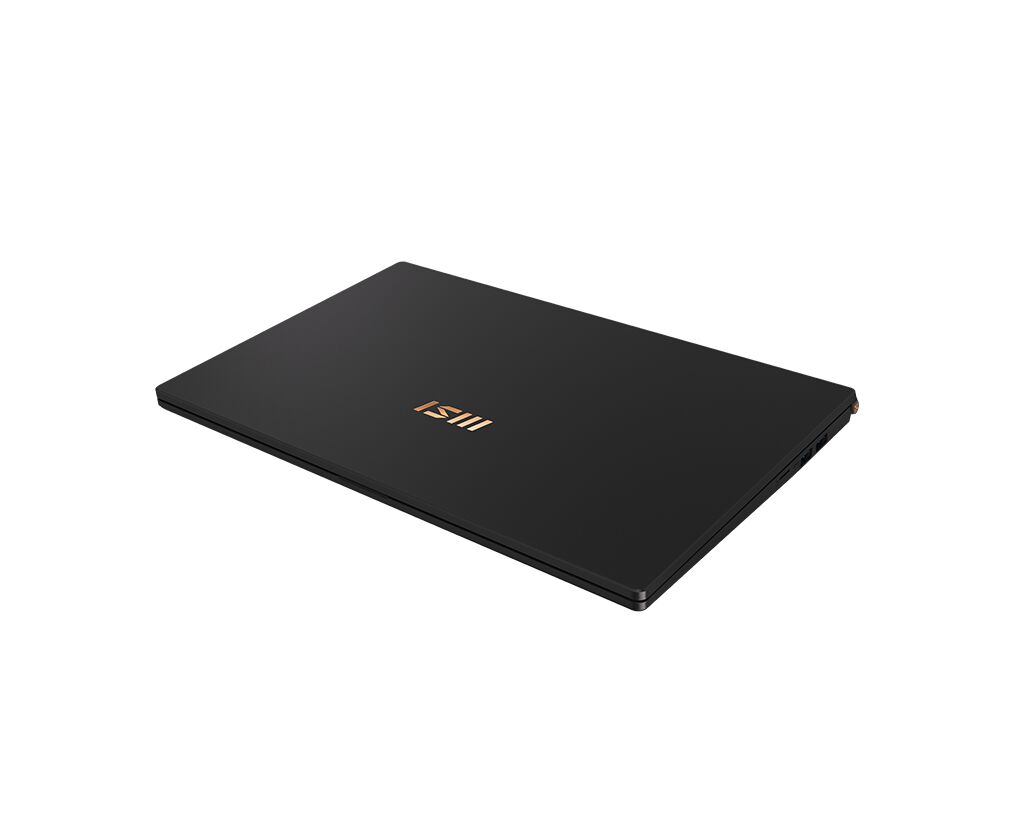
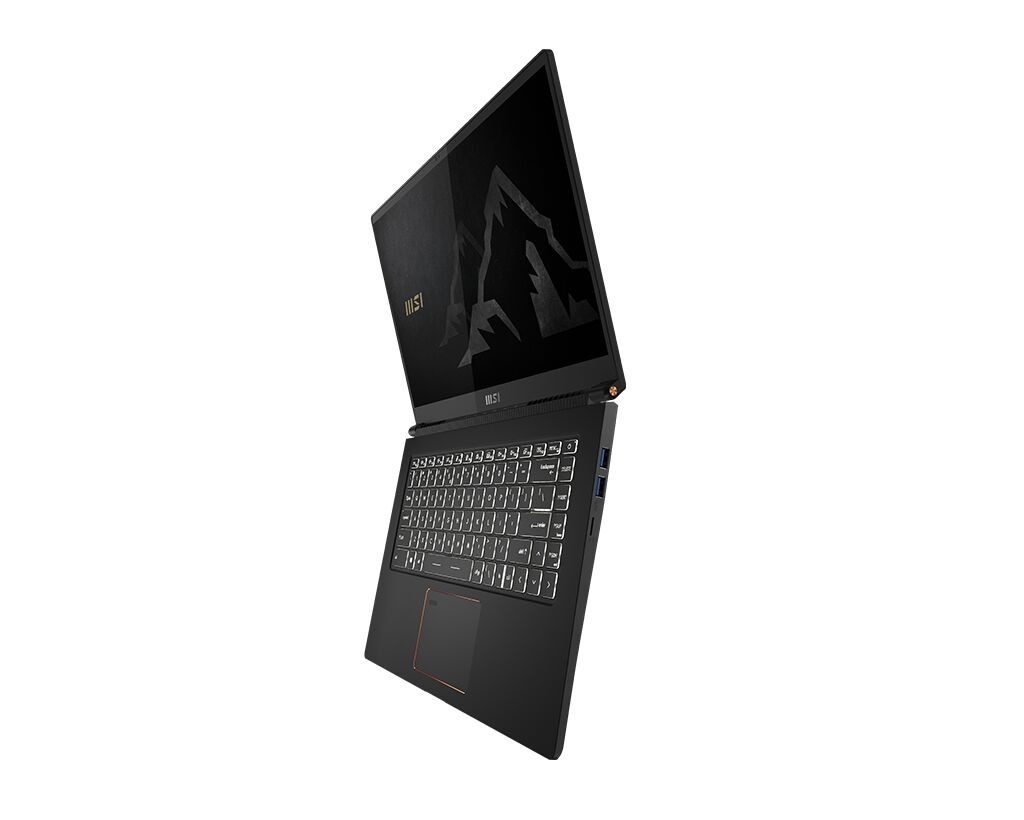
The MSI Summit E15 A11SCST-056 laptop contains two SO-DIMM memory slots supporting DDR4-SDRAM specifications. The upgrade capacity reaches a maximum of 64 GB total RAM. Compatible modules operate at 3200 MHz frequency. The E15 series supports SO-DIMM form factor memory upgrades, enabling users to expand the existing memory configuration by replacing or supplementing installed modules. Specifications indicate DDR4 memory type compatibility for this particular MSI model.
Memory Upgrade Specifications
| Specification | Value |
|---|---|
| Memory slots | 2x SO-DIMM |
| Form factor | SO-DIMM |
| Memory type | DDR4-SDRAM |
| Frequency | 3200 MHz |
| Maximum RAM | 64 GB |
| Voltage | 1.2V |
| Number of pins | 260-pin |
| Interface | PC4 |
| PC Speed Rating | PC4-3200 (PC4-25600) |
| Bandwidth | 25.6 GB/s |
| Laptop Release date | 22 September 2020 |
Additional Notes
- The MSI Summit E15 A11SCST-056 utilizes 2 SO-DIMM slots, meaning both slots must be populated to achieve the 64 GB maximum capacity, as this configuration typically requires 32 GB modules per slot.
- DDR4-3200 MHz represents the rated speed for this platform, but actual performance gains beyond the baseline depend on BIOS configuration and whether the system's controller natively supports this frequency without requiring manual overclocking settings.
- SO-DIMM modules occupy minimal physical space, creating thermal proximity constraints in the immediate area above the memory slots; aftermarket thermal pads or heatspreaders on RAM may contact internal components or the keyboard assembly during reinstallation.
- Upgrade capacity is limited to 64 GB total; this ceiling eliminates future headroom for memory expansion beyond the 2-slot architecture, constraining long-term scalability for memory-intensive workloads.
- DDR4 SO-DIMM availability in retail markets has begun contracting as manufacturers transition to DDR5 production, potentially affecting upgrade costs and sourcing timelines if replacement or expansion occurs beyond the next 18 to 24 months.
- Mixing single 32 GB modules with lower-capacity existing RAM may result in asymmetrical dual-channel configurations, degrading memory bandwidth utilization compared to matched-capacity paired modules.
- Warranty retention during RAM upgrades typically requires using modules from manufacturer-approved compatibility lists; third-party DDR4-3200 SO-DIMM modules may void coverage if the system experiences stability issues traceable to memory incompatibility.