MSI Sword 15 A11UD-220AU RAM upgrade specifications

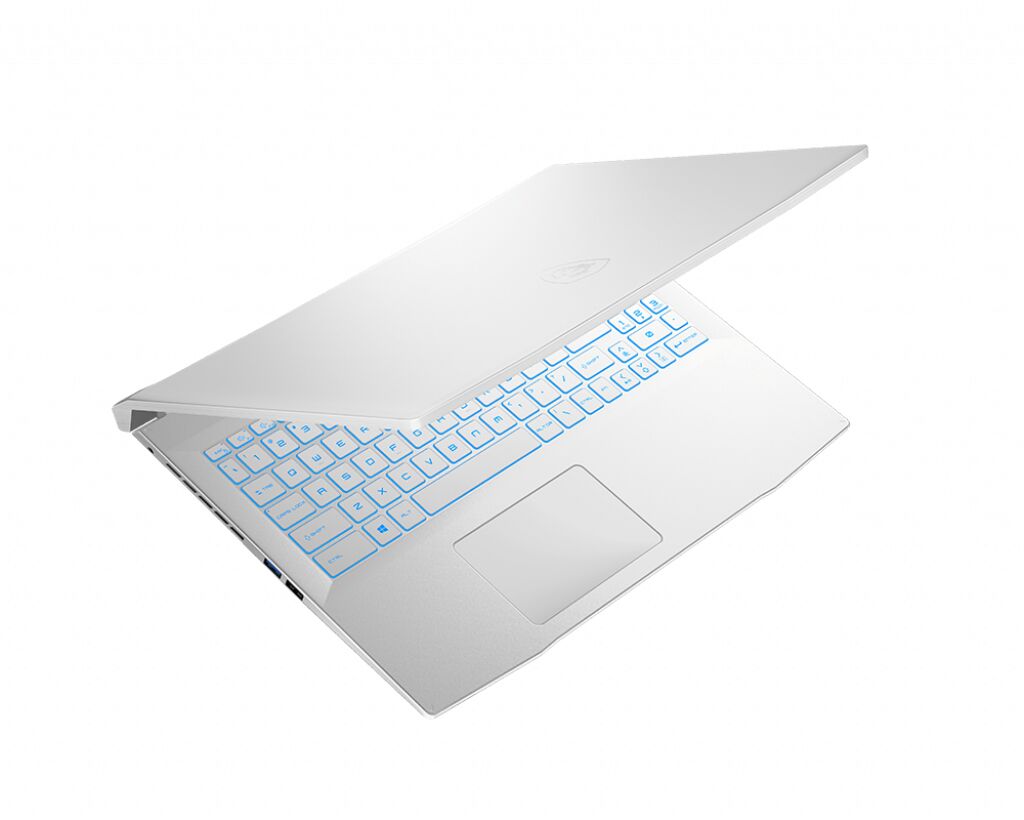
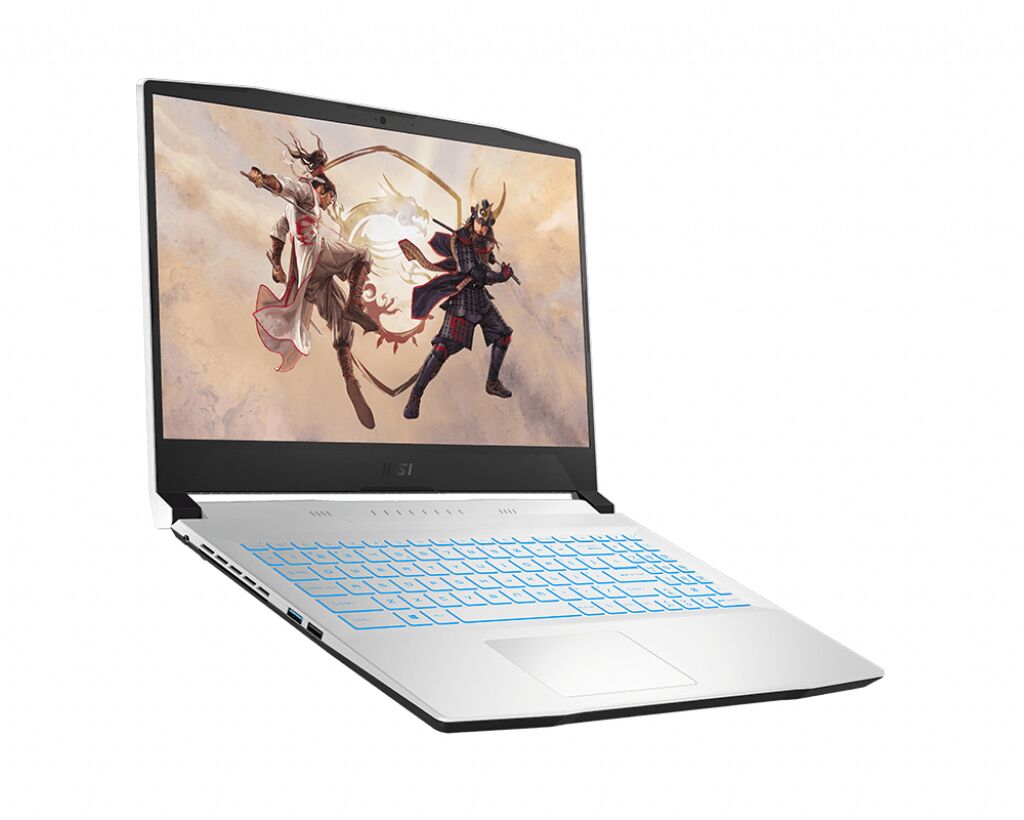
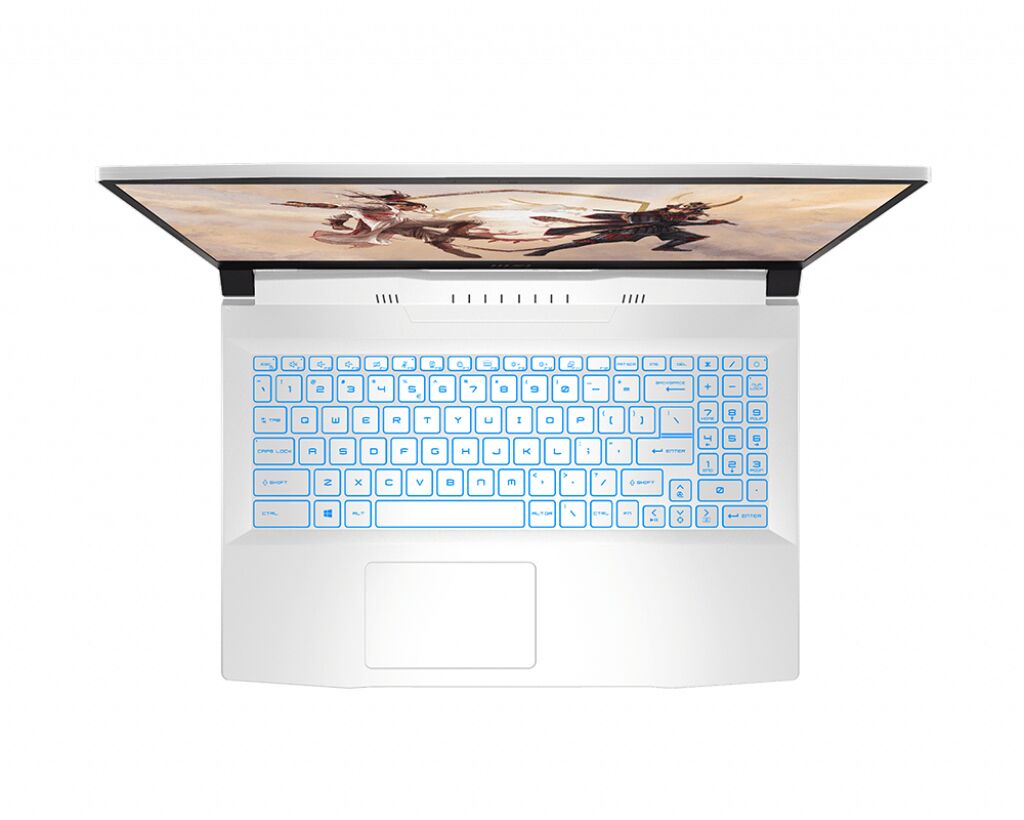
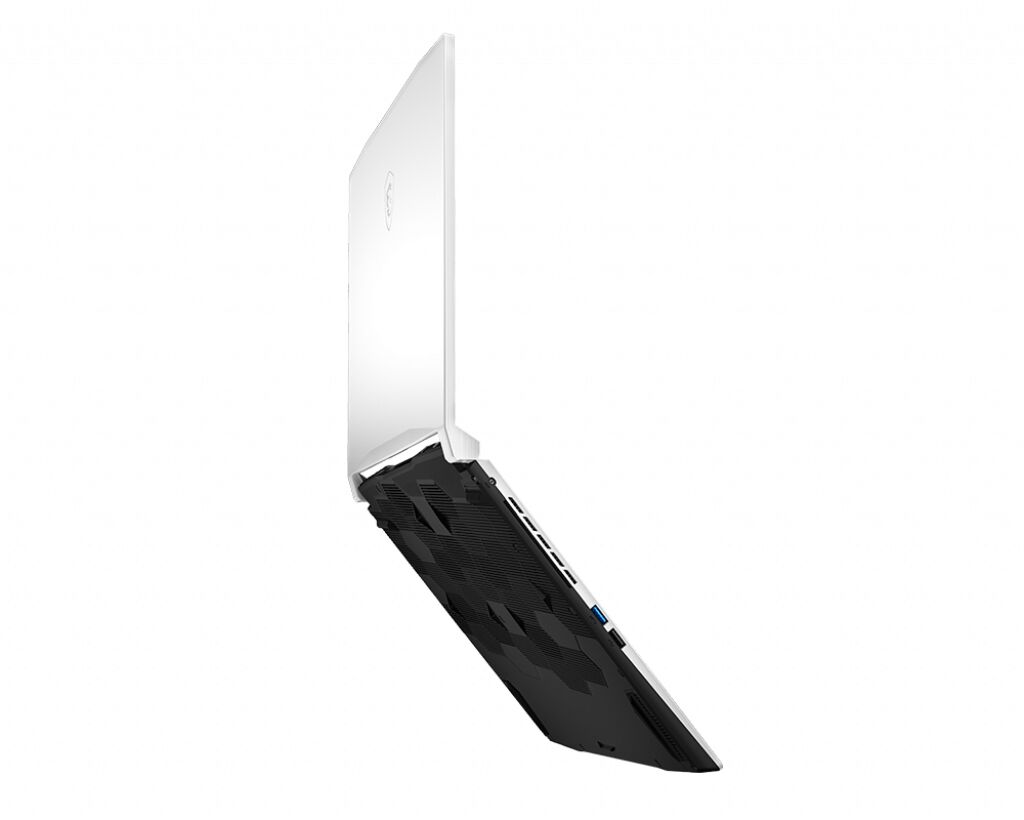
The MSI 15 A11UD-220AU laptop features DDR4-SDRAM memory upgrade capabilities with 2x SO-DIMM slots supporting SO-DIMM form factor modules. Maximum RAM capacity reaches 64 GB total, with compatible memory operating at 3200 MHz frequency. The Sword series 15 model specifications allow for memory expansion through dual slot configuration, enabling users to upgrade from factory-installed capacity to the maximum supported memory specifications for enhanced performance.
Memory Upgrade Specifications
| Specification | Value |
|---|---|
| Memory slots | 2x SO-DIMM |
| Form factor | SO-DIMM |
| Memory type | DDR4-SDRAM |
| Frequency | 3200 MHz |
| Maximum RAM | 64 GB |
| Voltage | 1.2V |
| Number of pins | 260-pin |
| Interface | PC4 |
| PC Speed Rating | PC4-3200 (PC4-25600) |
| Bandwidth | 25.6 GB/s |
| Laptop Release date | 16 May 2021 |
Additional Notes
- The MSI Sword 15 A11UD-220AU supports dual-channel memory architecture through its 2 SO-DIMM slots, enabling doubled bandwidth when populated with matched pairs compared to single-stick configurations.
- DDR4-3200 operates at PC4-25600 transfer rates, providing 25.6 GB/s of theoretical bandwidth per channel, which totals 51.2 GB/s in dual-channel mode for integrated graphics and CPU operations.
- The 64 GB ceiling requires 2 modules of 32 GB each, which limits configuration flexibility since intermediate capacities like 48 GB would create asymmetric channel loading.
- SO-DIMM modules measure 67.6 mm in length compared to 133.35 mm desktop DIMMs, restricting compatibility to laptop-specific memory products.
- The 3200 MHz native speed operates at 1.2V standard voltage for DDR4, eliminating compatibility concerns with low-voltage or XMP-exclusive modules designed for desktop overclocking.
- Mixing modules with different densities or timings may force the system to downclock all memory to the slowest common specification, potentially reducing performance below rated speeds.
- Installation requires bottom panel removal to access the memory compartment, which typically maintains warranty coverage unlike CPU or GPU modifications on most manufacturer policies.
- Single-rank versus dual-rank module selection affects interleaving efficiency, with dual-rank configurations potentially offering 5-10% performance gains in memory-intensive workloads despite identical capacity and frequency ratings.
- The Intel 11th generation platform underlying this model supports DDR4 speeds beyond 3200 MHz through overclocking, but stability depends on memory controller silicon quality and BIOS support rather than guaranteed capability.
- Upgrading from factory-installed configurations requires matching or exceeding JEDEC standard latency specifications to prevent POST failures, with CL22 being the typical baseline for DDR4-3200.