MSI Workstation WE75 9TK-875 RAM upgrade specifications


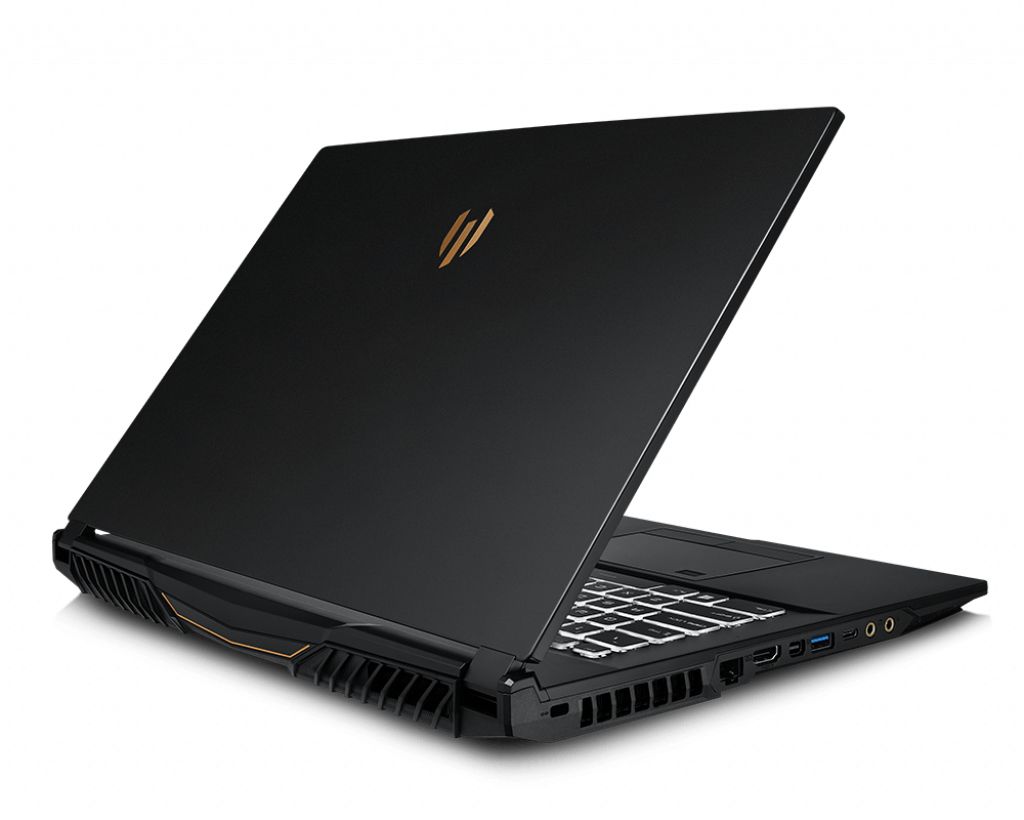


MSI WE75 9TK-875 workstation features DDR4-SDRAM memory upgrade capabilities with two SO-DIMM slots supporting maximum capacity of 64 GB. Compatible RAM operates at 2666 MHz frequency. The workstation series accommodates DDR4 memory modules in SO-DIMM form factor, allowing users to upgrade the existing memory configuration up to the specified maximum capacity. Specifications indicate dual memory slots for modular upgrades without complete replacement requirements.
Memory Upgrade Specifications
| Specification | Value |
|---|---|
| Memory slots | 2x SO-DIMM |
| Form factor | SO-DIMM |
| Memory type | DDR4-SDRAM |
| Frequency | 2666 MHz |
| Maximum RAM | 64 GB |
| Voltage | 1.2V |
| Number of pins | 260-pin |
| Interface | PC4 |
| PC Speed Rating | PC4-2666 (PC4-21328) |
| Bandwidth | 21.3 GB/s |
| Laptop Release date | 07 September 2019 |
Additional Notes
- The 2 SO-DIMM socket configuration limits dual-channel operation to matched module pairs, requiring symmetrical capacity distribution for optimal memory bandwidth utilization.
- The 2666 MHz native frequency operates at DDR4-2666 PC4-21300 standard, delivering 21.3 GB/s theoretical bandwidth per channel when both slots function in dual-channel mode.
- Installing mismatched frequency modules forces all memory to operate at the lowest common speed, potentially underclocking faster modules to 2666 MHz or lower.
- The 64 GB maximum capacity constraint permits 2x32 GB module configurations but prohibits higher-density configurations regardless of SO-DIMM availability in 48 GB or 64 GB individual modules.
- Non-ECC unbuffered modules represent the only compatible DDR4 SO-DIMM type for this MSI Workstation WE75 9TK-875, as workstation-class chipsets in this generation typically lack registered or ECC memory support.
- Physical clearance above SO-DIMM slots may restrict aftermarket modules with oversized heat spreaders or non-standard PCB heights exceeding JEDEC specifications.
- Memory upgrades preserve manufacturer warranty when using JEDEC-compliant modules, whereas XMP-profiled modules requiring voltage adjustments beyond 1.2V may introduce warranty complications.
- Single-module configurations halve memory bandwidth to single-channel operation, creating performance bottlenecks in workstation applications dependent on sustained memory throughput.
- The DDR4-2666 speed ceiling prevents utilization of higher-frequency modules rated at 3200 MHz or beyond, as the memory controller enforces downclocking to supported specifications.
- Mixing module ranks (single-rank with dual-rank) maintains functionality but may introduce latency asymmetry affecting memory-intensive computational tasks.