MSI Workstation WE75 9TJ-035 RAM upgrade specifications

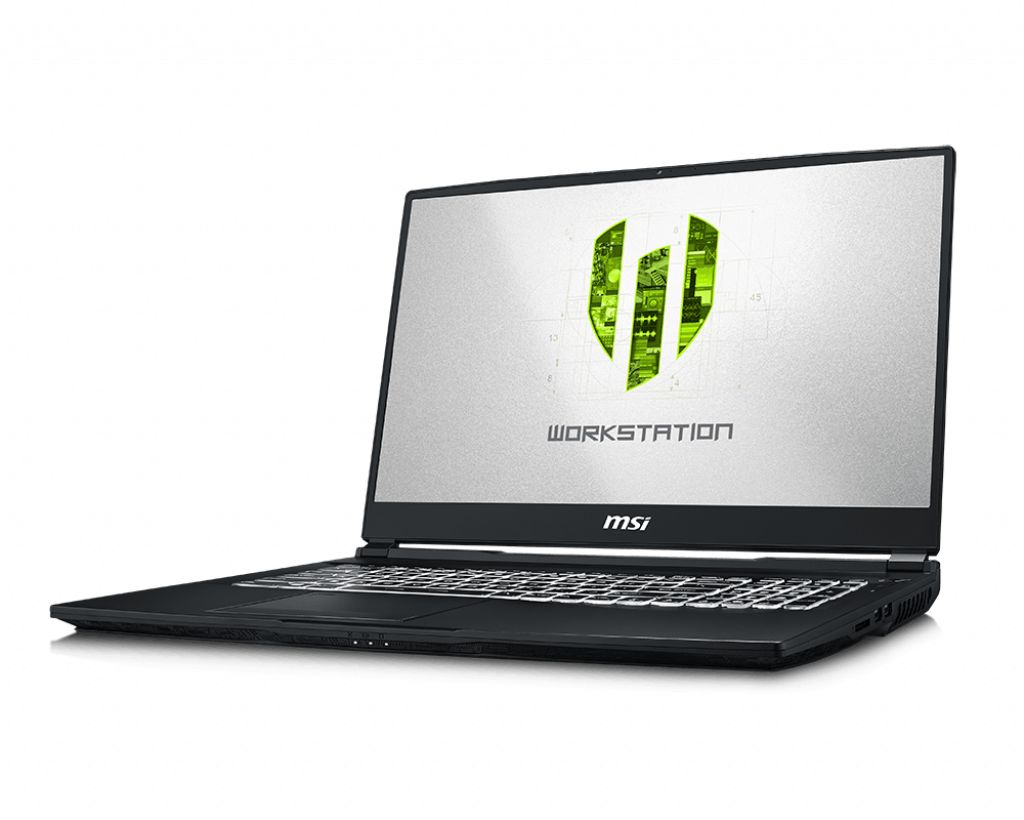
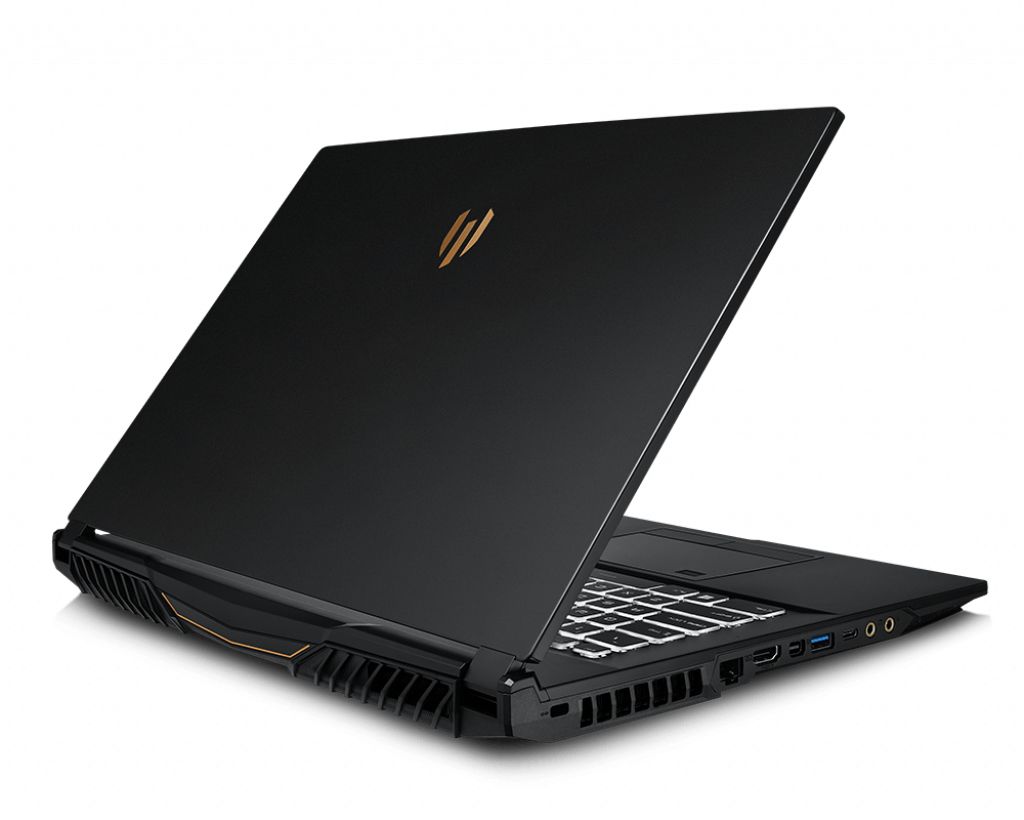


The MSI WE75 9TJ-035 workstation features DDR4-SDRAM memory with two SO-DIMM slots supporting maximum RAM capacity of 64 GB. Compatible memory operates at 2666 MHz frequency. RAM upgrade specifications for the MSI WE75 series enable system memory expansion to enhance multitasking and application performance. Each SO-DIMM slot accommodates compatible DDR4 modules, allowing incremental memory upgrades from the factory configuration.
Memory Upgrade Specifications
| Specification | Value |
|---|---|
| Memory slots | 2x SO-DIMM |
| Form factor | SO-DIMM |
| Memory type | DDR4-SDRAM |
| Frequency | 2666 MHz |
| Maximum RAM | 64 GB |
| Voltage | 1.2V |
| Number of pins | 260-pin |
| Interface | PC4 |
| PC Speed Rating | PC4-2666 (PC4-21328) |
| Bandwidth | 21.3 GB/s |
| Laptop Release date | 31 October 2019 |
Additional Notes
- The MSI WE75 9TJ-035 workstation accommodates DDR4-2666 modules exclusively, which represents a generation behind current DDR4-3200 standards. Retrofitting faster memory will automatically downclock to 2666 MHz, eliminating performance gains while increasing component cost.
- Dual SO-DIMM slots impose a 32 GB ceiling per module to reach the 64 GB maximum. Single-slot population leaves half the bandwidth potential unused, creating asymmetrical memory channel imbalance that degrades workstation rendering and compute performance.
- SO-DIMM form factor restricts sourcing to laptop-grade modules rather than desktop equivalents, narrowing vendor selection and typically commanding 15-25 percent price premiums over full-size UDIMM alternatives of identical capacity and speed.
- Upgrading beyond 32 GB requires complete module replacement rather than additive expansion. Existing memory must be depopulated and resold separately, as hybrid configurations with mixed capacity modules can introduce stability issues in multi-threaded workloads.
- The 2666 MHz specification predates JEDEC DDR4 standardization shifts toward power efficiency. Replacement modules manufactured after 2020 may implement lower voltage profiles (1.2V vs. 1.2V nominal), creating intermittent boot failures or memory training errors if BIOS settings cannot be manually adjusted.
- Professional workstation classification suggests ECC memory compatibility, though the specification sheet does not confirm ECC support. Non-ECC DDR4-2666 SO-DIMM availability has contracted sharply in current retail channels, potentially requiring specialized industrial memory suppliers.