MSI Workstation WE75 9TJ-022FR RAM upgrade specifications


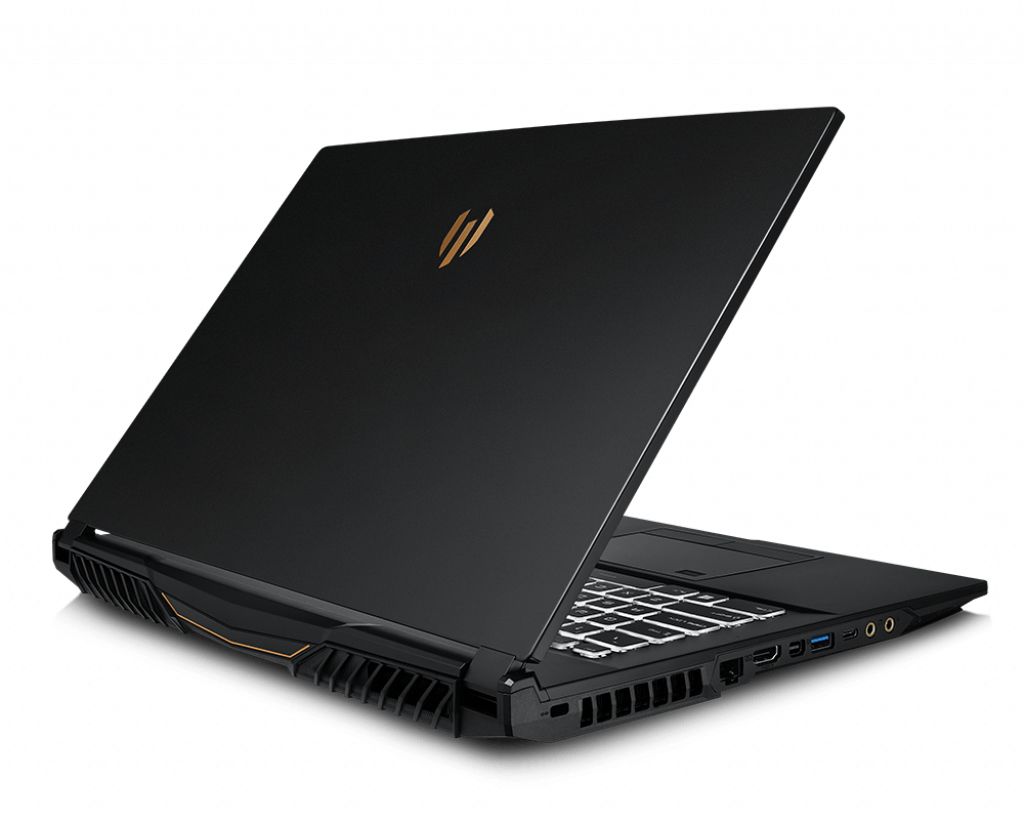


MSI WE75 9TJ-022FR workstation features DDR4-SDRAM memory upgrade capacity with 2x SO-DIMM slots supporting maximum RAM expansion to 64 GB total. Compatible memory modules operate at 2666 MHz frequency specifications. Upgrade slots accommodate SO-DIMM form factor modules, enabling increased memory capacity for enhanced system performance in professional workstation applications.
Memory Upgrade Specifications
| Specification | Value |
|---|---|
| Memory slots | 2x SO-DIMM |
| Form factor | SO-DIMM |
| Memory type | DDR4-SDRAM |
| Frequency | 2666 MHz |
| Maximum RAM | 64 GB |
| Voltage | 1.2V |
| Number of pins | 260-pin |
| Interface | PC4 |
| PC Speed Rating | PC4-2666 (PC4-21328) |
| Bandwidth | 21.3 GB/s |
| Laptop Release date | 24 September 2019 |
Additional Notes
- The MSI WE75 9TJ-022FR workstation utilizes SO-DIMM modules, which measure 67.6mm in length compared to standard DIMM modules at 133.35mm, requiring proper access to the underside panel or keyboard assembly for installation.
- DDR4-2666 operates at PC4-21300 bandwidth, delivering theoretical maximum throughput of 21.3 GB/s per module, translating to 42.6 GB/s in dual-channel configuration when both slots are populated with matched pairs.
- The 64 GB maximum capacity necessitates 2x32GB modules, which are less common than 16GB or 8GB densities and typically require double-sided module construction using 16Gbit density chips.
- Mixing modules with different densities, speeds, or timings will force all installed RAM to operate at the lowest common denominator specifications, potentially reducing performance below the 2666 MHz native speed.
- Single-channel operation occurs when only one SO-DIMM slot is populated, cutting memory bandwidth in half and creating potential bottlenecks for GPU-intensive workstation tasks or multi-threaded rendering operations.
- DDR4-2666 modules with speeds of 3200 MHz or higher will downclock to 2666 MHz due to chipset limitations, eliminating any performance benefit from purchasing higher-frequency memory.
- ECC (Error-Correcting Code) SO-DIMM modules are incompatible unless explicitly supported by the mobile workstation chipset, requiring verification before purchase to avoid non-functional installations.
- The SO-DIMM form factor restricts heat spreader height to approximately 3mm, limiting thermal management options compared to desktop configurations and potentially affecting stability during sustained high-memory workloads.
- Voltage specification for DDR4-2666 is standardized at 1.2V, but modules rated for higher speeds may default to 1.35V XMP profiles that require manual BIOS adjustment or may not function correctly.
- Operating temperature ranges for SO-DIMM modules typically span 0°C to 85°C, but sustained operation above 70°C can trigger thermal throttling or reduce module lifespan in poorly ventilated chassis configurations.
- Warranty policies from most manufacturers void coverage if non-certified memory causes system damage, requiring retention of original modules for potential service claims.
- The 2666 MHz frequency represents JEDEC standard timing of 19-19-19-43 (CL-tRCD-tRP-tRAS), though some modules may offer tighter latencies that provide marginal performance improvements in latency-sensitive operations.