MSI Workstation WE75 9TJ-008FR RAM upgrade specifications
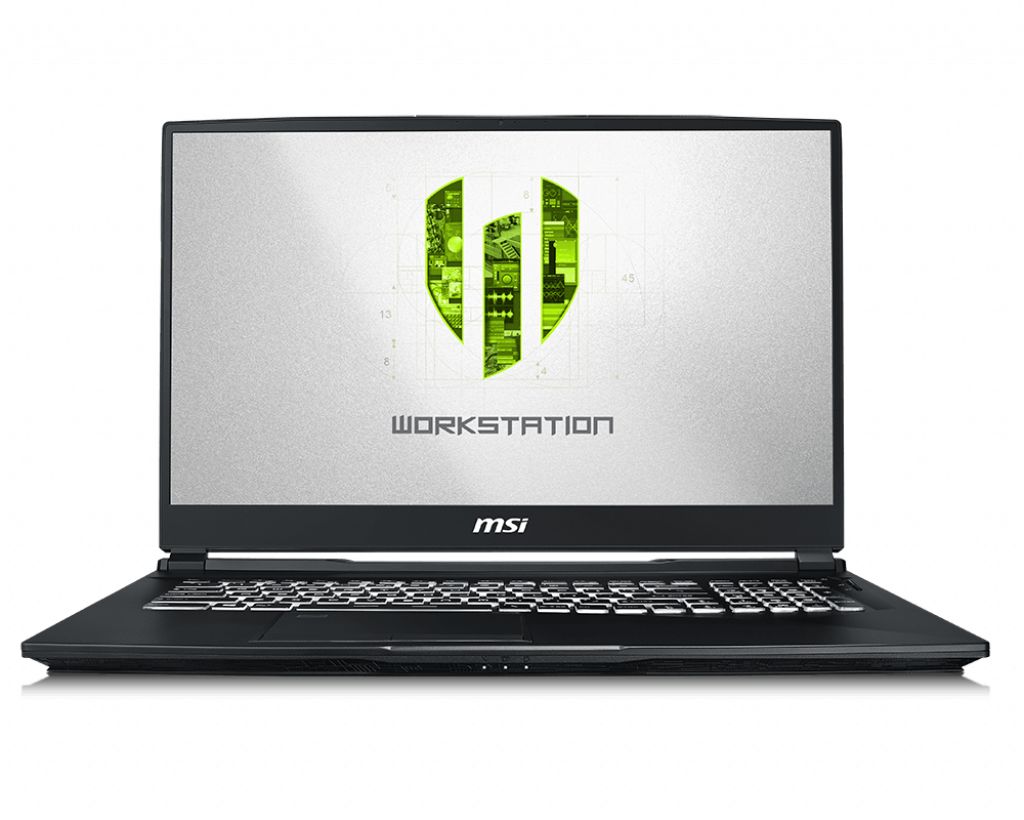
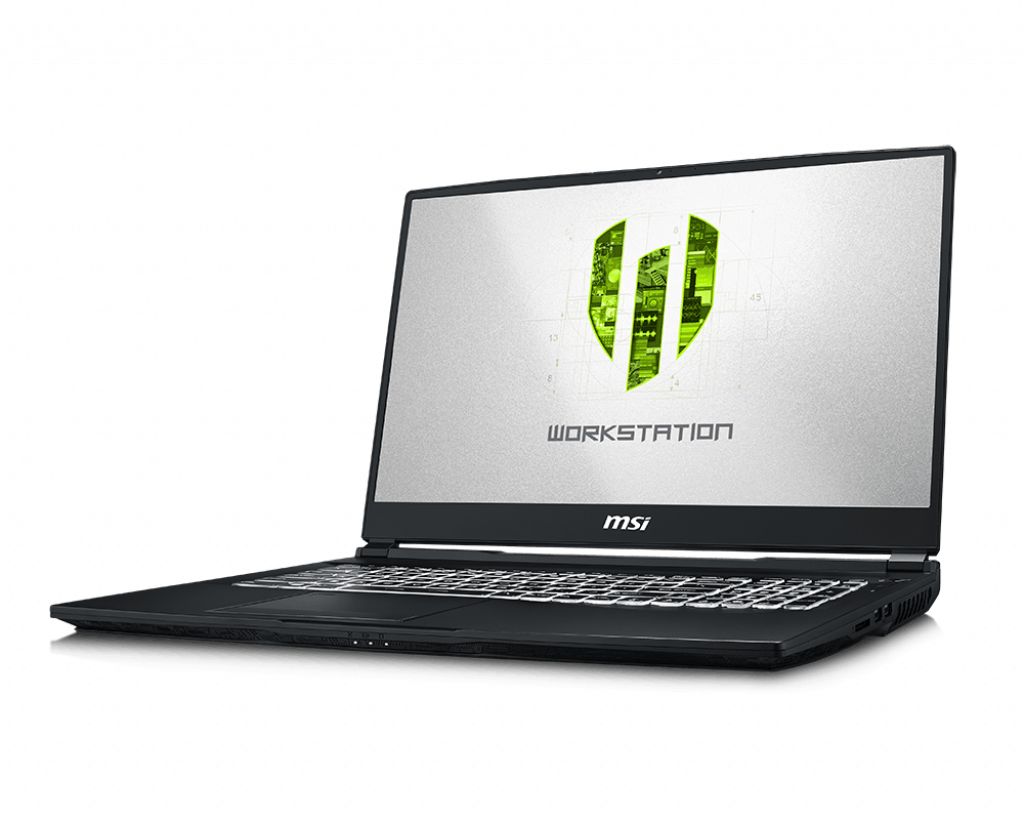
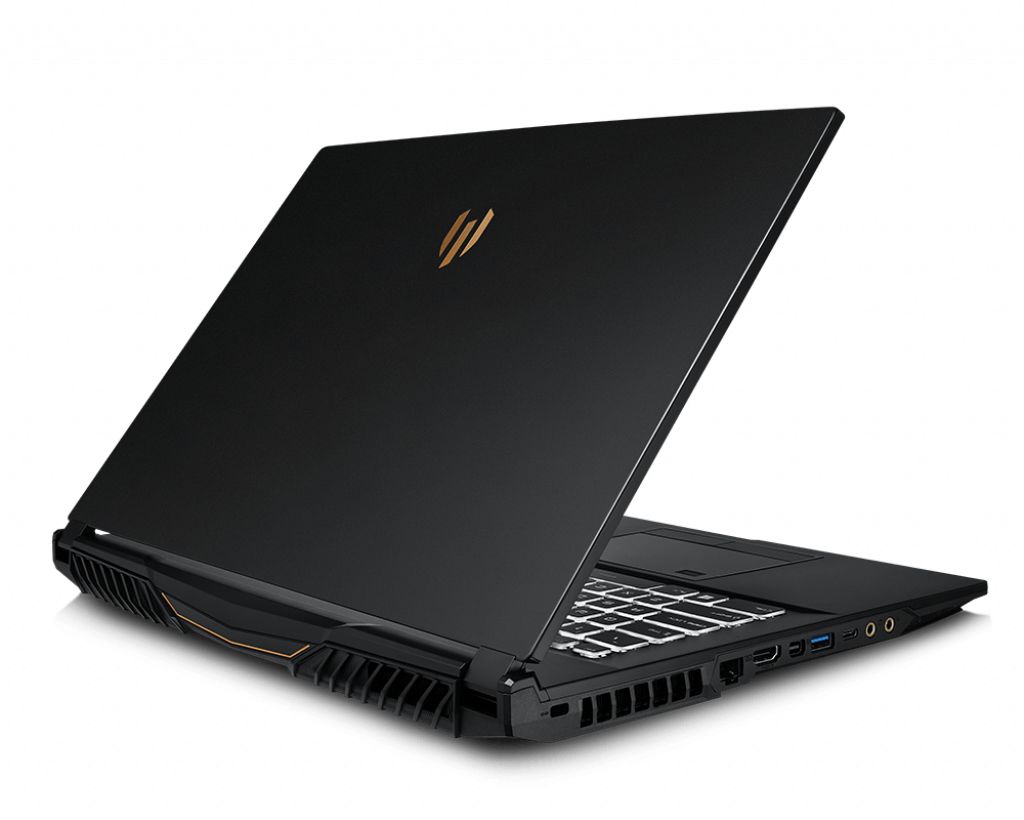

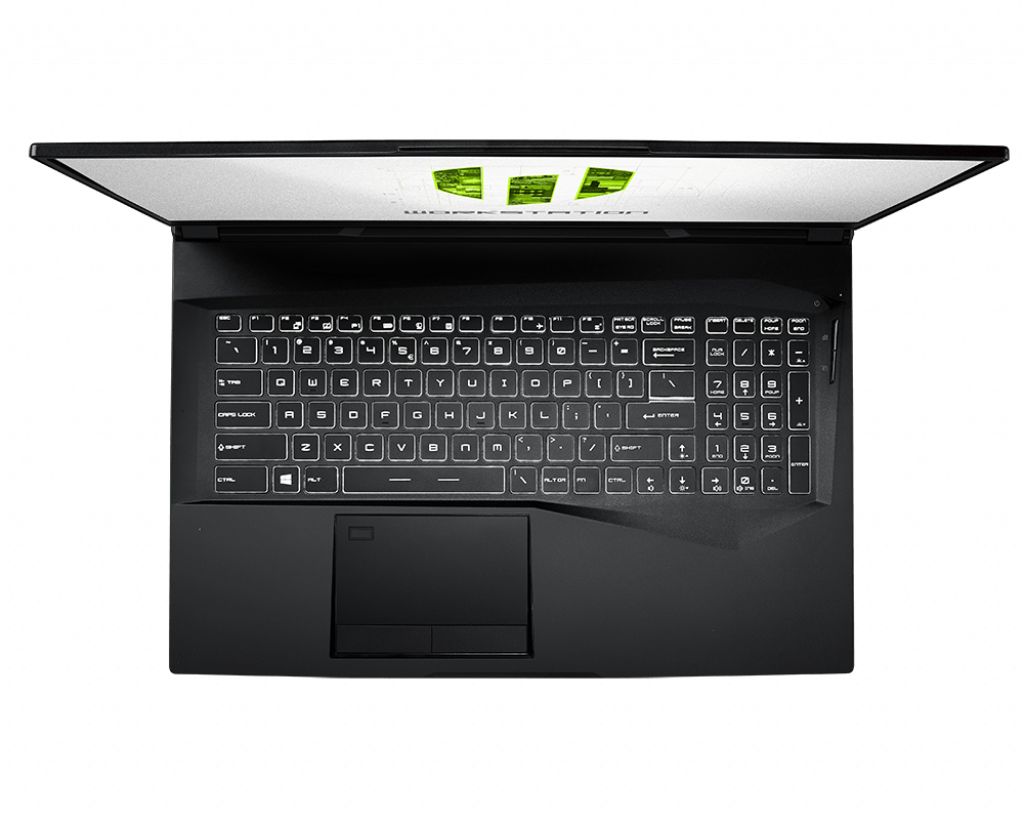
The MSI WE75 9TJ-008FR workstation series features DDR4-SDRAM memory upgrade specifications with 2x SO-DIMM slots supporting maximum RAM capacity of 64 GB. Compatible memory modules operate at 2666 MHz frequency with SO-DIMM form factor. Upgrade slots accommodate dual memory configuration for enhanced system performance in workstation applications.
Memory Upgrade Specifications
| Specification | Value |
|---|---|
| Memory slots | 2x SO-DIMM |
| Form factor | SO-DIMM |
| Memory type | DDR4-SDRAM |
| Frequency | 2666 MHz |
| Maximum RAM | 64 GB |
| Voltage | 1.2V |
| Number of pins | 260-pin |
| Interface | PC4 |
| PC Speed Rating | PC4-2666 (PC4-21328) |
| Bandwidth | 21.3 GB/s |
| Laptop Release date | 31 August 2019 |
Additional Notes
- The 64 GB ceiling indicates dual-channel architecture with 32 GB module support, which was uncommon before JEDEC standardization in 2019 and may require BIOS validation before purchasing high-density modules.
- The 2666 MHz native frequency operates below DDR4's potential 3200 MHz due to mobile chipset restrictions, meaning higher-rated modules will downclock without performance gain.
- SO-DIMM installation on the MSI WE75 9TJ-008FR typically requires full bottom panel removal rather than access doors, necessitating thermal paste inspection if the cooling system shares the same service path.
- Mixing module densities triggers asymmetric dual-channel mode where only the matched portion runs interleaved, leaving excess capacity in single-channel operation with reduced bandwidth.
- Non-ECC unbuffered modules remain the only warranty-safe option since workstation-class mobile platforms rarely support error correction without Xeon processors and validated server-grade SO-DIMMs.
- The 2666 MHz specification reflects JEDEC standard voltage at 1.2V, while overclocked XMP profiles designed for desktop cooling can cause thermal throttling in the confined airflow of mobile chassis.
- Dual-slot configuration prohibits future expansion beyond replacement, making initial capacity planning critical since partial upgrades sacrifice the existing modules entirely.
- Ninth-generation Intel mobile platforms enforce JEDEC timing tables, rendering advertised CAS latency below CL19 ineffective unless manually configurable through unlocked BIOS settings.