MSI Workstation WF75 10TK-250 RAM upgrade specifications
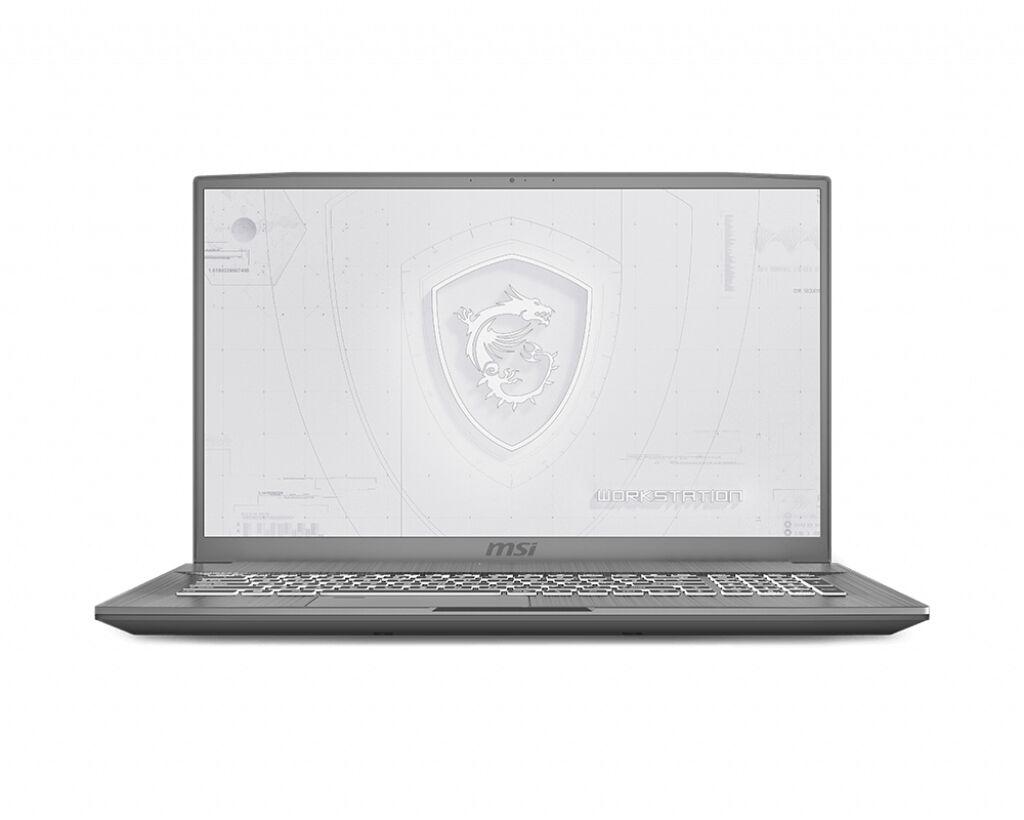
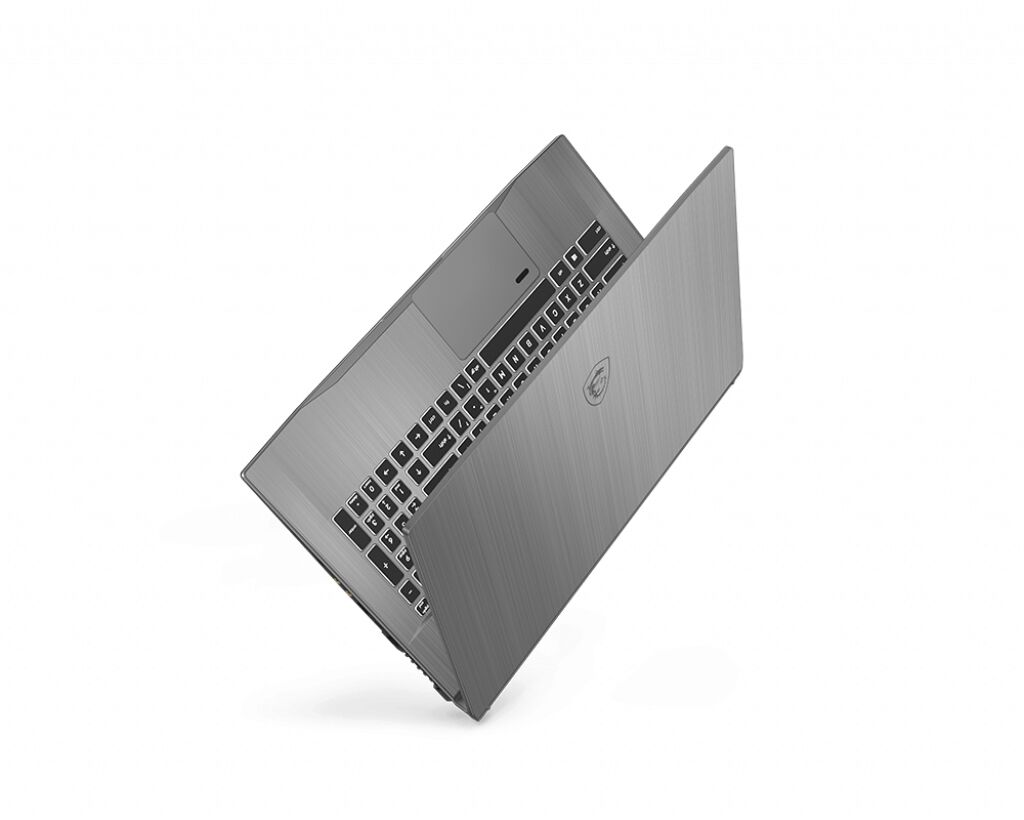
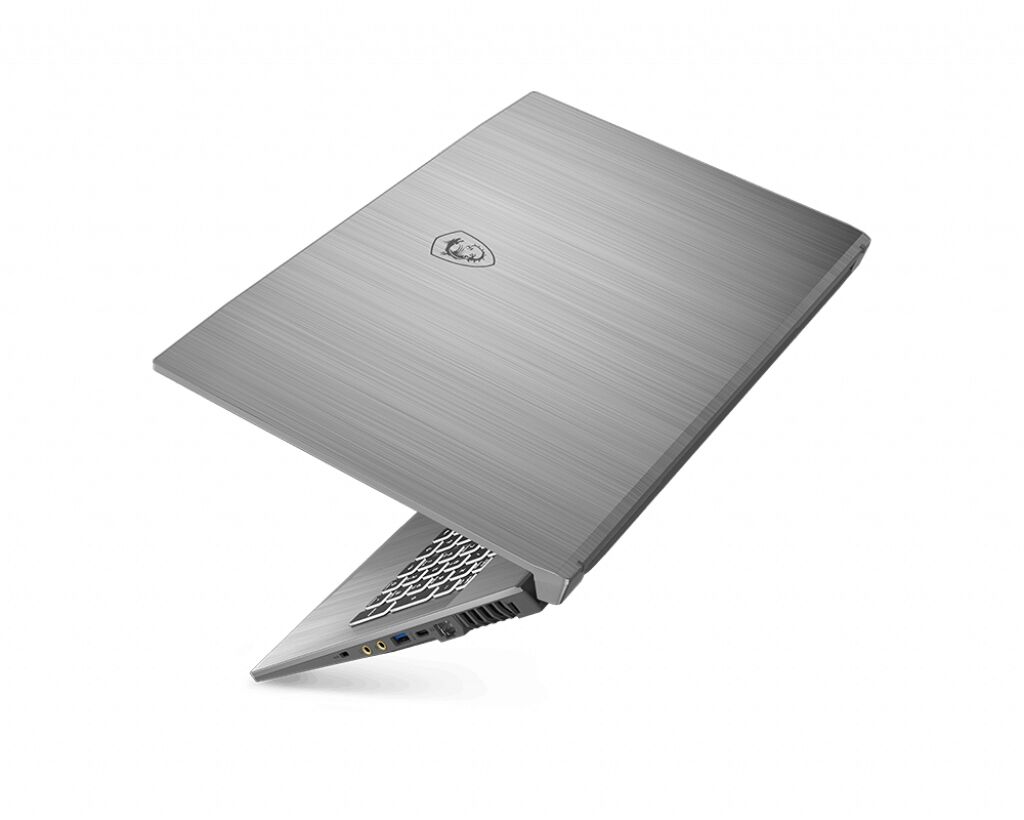
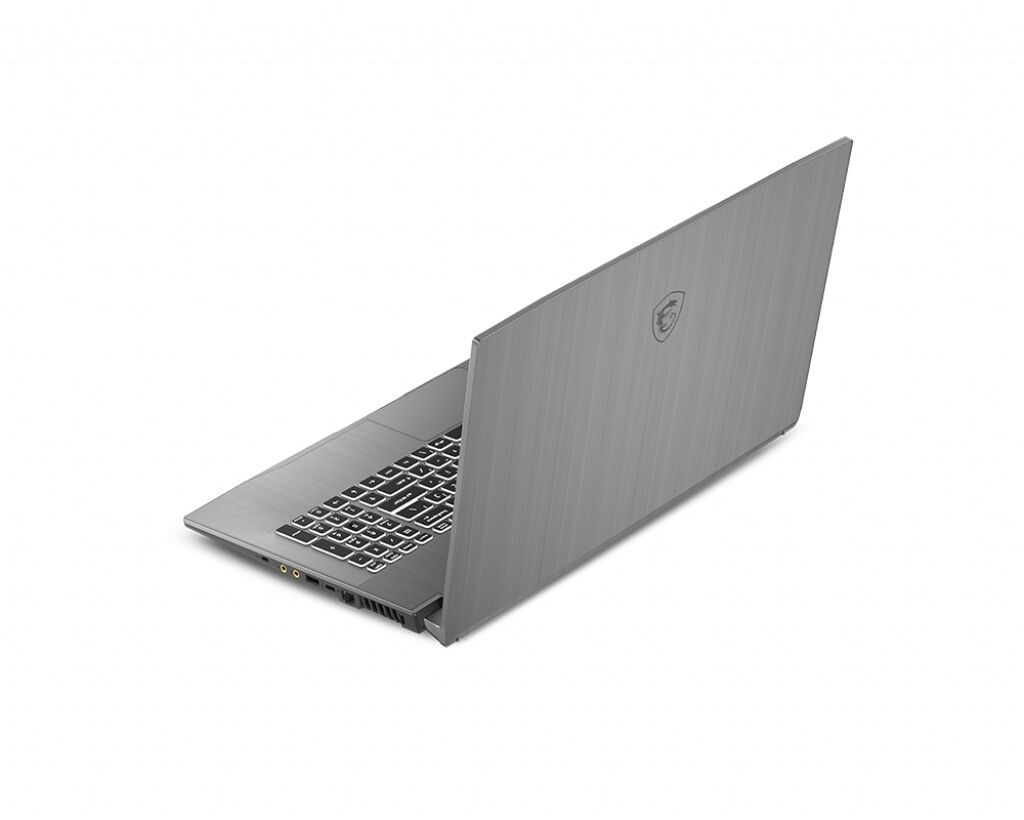

The MSI WF75 10TK-250 workstation features two SO-DIMM memory slots supporting DDR4-SDRAM upgrade specifications. Maximum RAM capacity reaches 64 GB total, with compatible modules operating at 2666 MHz frequency. The WF75 series workstation supports memory upgrades via standard SO-DIMM form factor components, enabling configurations up to the specified maximum capacity for enhanced system performance.
Memory Upgrade Specifications
| Specification | Value |
|---|---|
| Memory slots | 2x SO-DIMM |
| Form factor | SO-DIMM |
| Memory type | DDR4-SDRAM |
| Frequency | 2666 MHz |
| Maximum RAM | 64 GB |
| Voltage | 1.2V |
| Number of pins | 260-pin |
| Interface | PC4 |
| PC Speed Rating | PC4-2666 (PC4-21328) |
| Bandwidth | 21.3 GB/s |
| Laptop Release date | 22 July 2020 |
Additional Notes
- The 2666 MHz frequency represents the JEDEC standard speed for this generation, though faster DDR4 modules rated at 2933 MHz or 3200 MHz will downclock automatically to match the chipset limitation.
- SO-DIMM form factor restricts module height to approximately 30 mm, preventing installation of standard desktop DIMM modules which measure 133.35 mm in length.
- The 64 GB maximum capacity requires population of both slots with matched 32 GB modules, as single-slot 64 GB SO-DIMM modules exceed consumer platform specifications.
- Dual-channel architecture activation depends on symmetrical population, meaning a single module configuration halves theoretical memory bandwidth from 42.6 GB/s to 21.3 GB/s.
- The MSI WF75 10TK-250 uses a 10th generation Intel mobile platform, which mandates DDR4 voltage at 1.2V standard specification rather than low-voltage or overclocked variants.
- Access to both SO-DIMM slots typically requires complete bottom panel removal on mobile workstation chassis, as opposed to dedicated access doors common in business-class notebooks.
- Non-ECC unbuffered modules are the compatible type for this consumer workstation platform, as registered or ECC memory requires Xeon processor validation absent in standard configurations.
- Memory rank configuration becomes relevant above 16 GB per module, where dual-rank modules may impose slight latency penalties compared to single-rank equivalents at identical frequencies.
- Third-party memory installation does not typically void manufacturer warranties under Magnuson-Moss provisions, though diagnostic failures attributed to incompatible modules may exclude coverage for related damage.