MSI Workstation WF75 10TJ-214CA RAM upgrade specifications
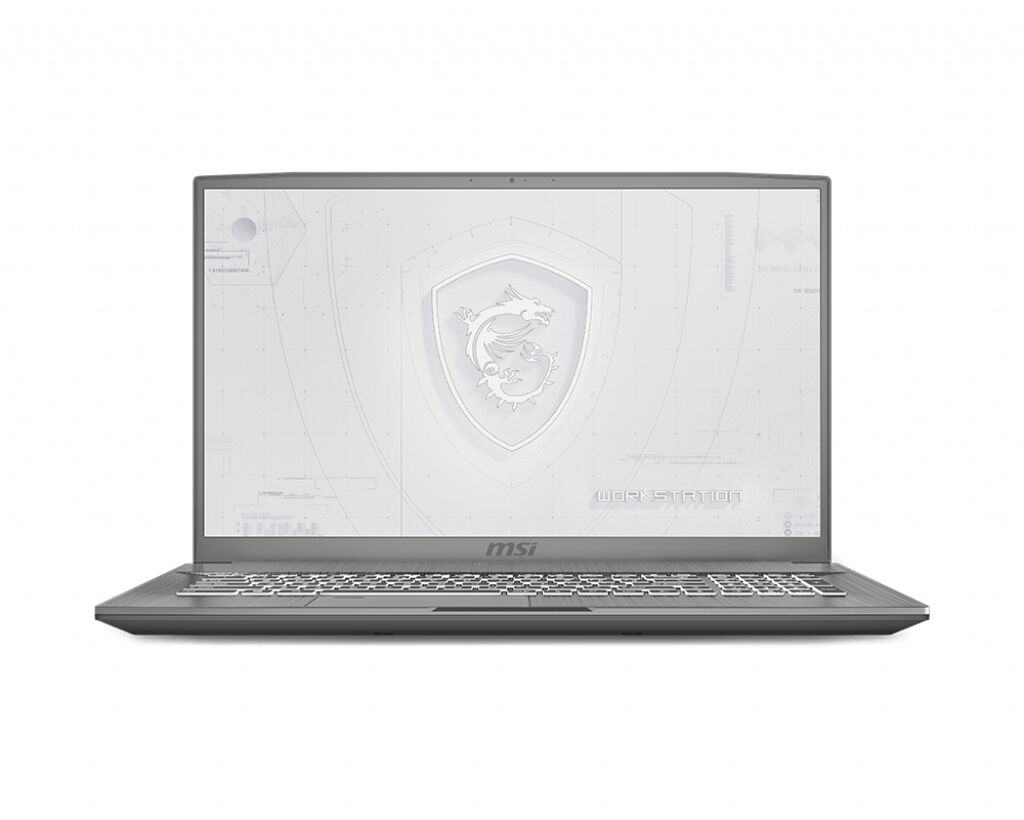




The MSI WF75 10TJ-214CA Workstation Series laptop features DDR4-SDRAM memory upgrade specifications. The system contains two SO-DIMM slots for RAM expansion, with maximum compatible capacity of 64 GB total memory. Memory modules operate at 2666 MHz frequency. Upgrade options utilize SO-DIMM form factor modules. The WF75 10TJ-214CA supports DDR4-SDRAM technology for performance enhancement and multitasking capabilities in professional workstation applications.
Memory Upgrade Specifications
| Specification | Value |
|---|---|
| Memory slots | 2x SO-DIMM |
| Form factor | SO-DIMM |
| Memory type | DDR4-SDRAM |
| Frequency | 2666 MHz |
| Maximum RAM | 64 GB |
| Voltage | 1.2V |
| Number of pins | 260-pin |
| Interface | PC4 |
| PC Speed Rating | PC4-2666 (PC4-21328) |
| Bandwidth | 21.3 GB/s |
| Laptop Release date | 22 July 2020 |
Additional Notes
- The 2666 MHz frequency specification represents the JEDEC standard speed for DDR4 operation, which the system will enforce even if faster modules are installed due to chipset limitations in 10th generation Intel mobile platforms.
- SO-DIMM form factor indicates this MSI WF75 10TJ-214CA uses laptop-style memory modules measuring 67.6mm in length, which are physically incompatible with standard 133.35mm desktop DIMM modules regardless of electrical specifications.
- The 64 GB maximum capacity constraint stems from the mobile chipset's memory controller architecture, limiting configurations to either 2x32 GB modules or lower-density arrangements; installing higher-capacity modules will result in unrecognized memory above this threshold.
- Dual-channel memory architecture requires identical module specifications in both slots to achieve full bandwidth performance; mixing different capacities or speeds will force the system to operate in single-channel mode or at the lowest common frequency.
- DDR4-SDRAM operates at 1.2V nominal voltage, meaning DDR3L or DDR3 modules at 1.35V or 1.5V are electrically incompatible and will prevent POST even if physically inserted into the slots.
- Non-ECC unbuffered modules are required for consumer workstation platforms; ECC or registered memory types will either fail to initialize or cause boot failures despite matching the SO-DIMM form factor.
- The 2x SO-DIMM configuration means both memory slots must remain accessible for capacity upgrades, requiring bottom panel removal on most workstation chassis designs for physical access to the memory bay.
- Memory bandwidth peaks at 42.6 GB/s theoretical maximum when both channels operate with 2666 MHz modules, creating potential bottlenecks for professional applications that exceed this data transfer rate during large file operations.