MSI Workstation WF75 10TI-210ES RAM upgrade specifications
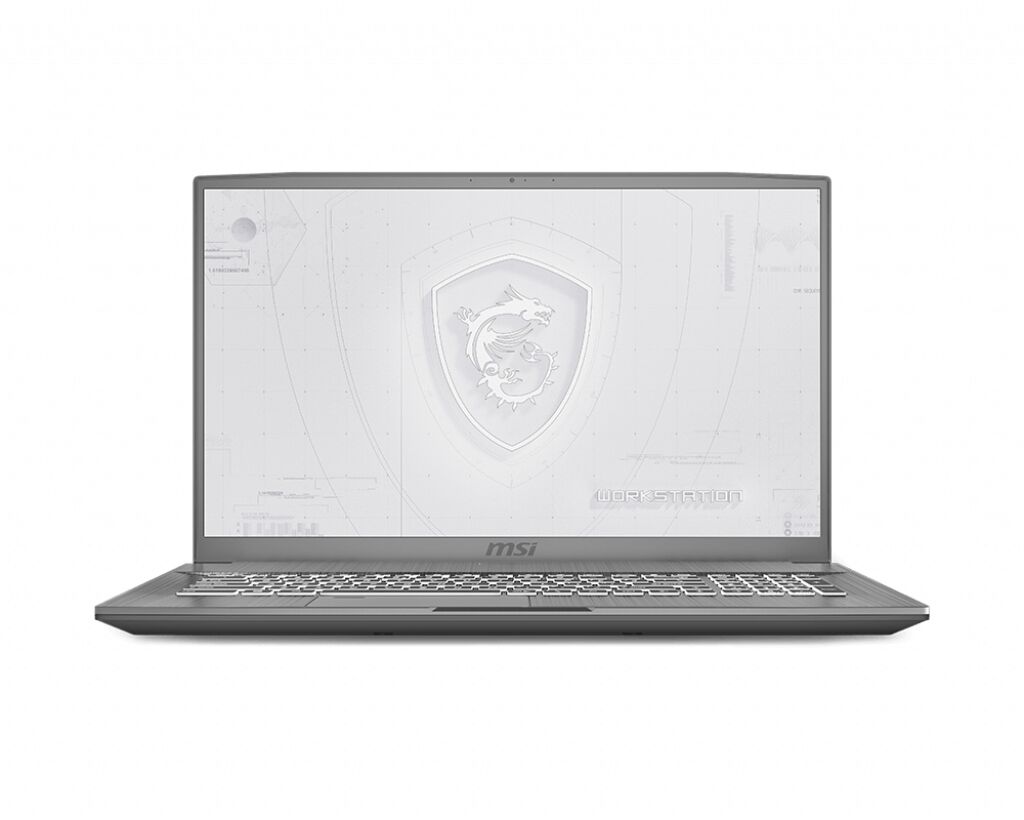
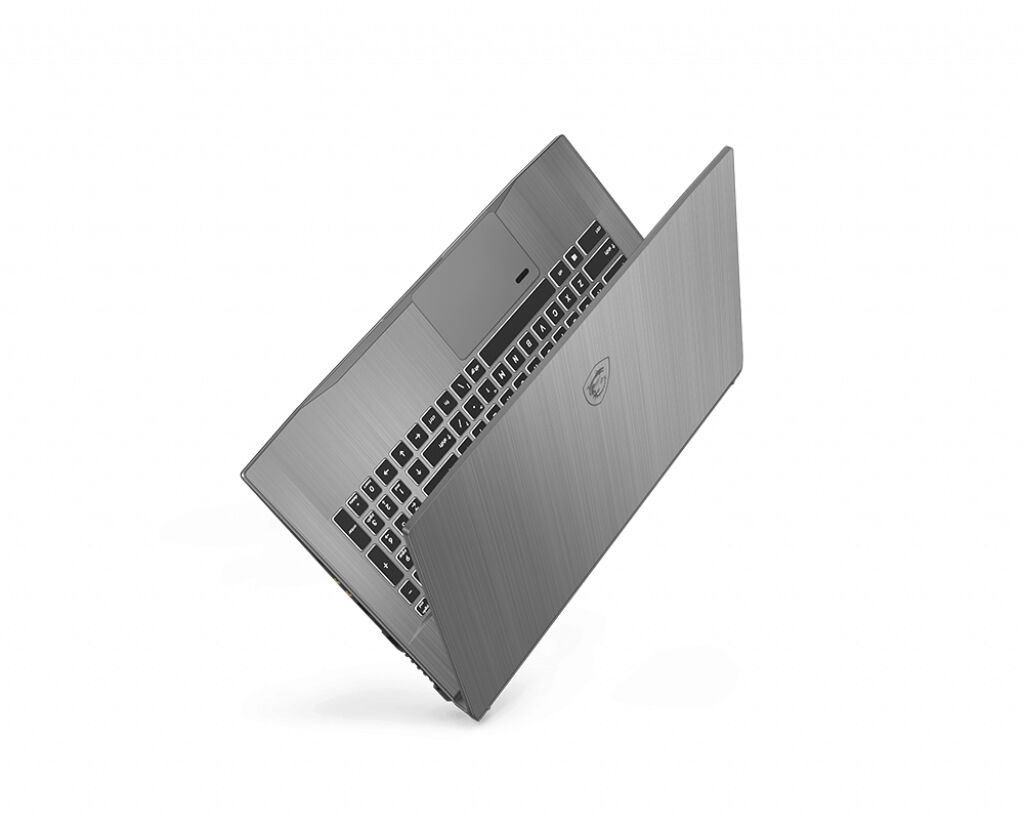
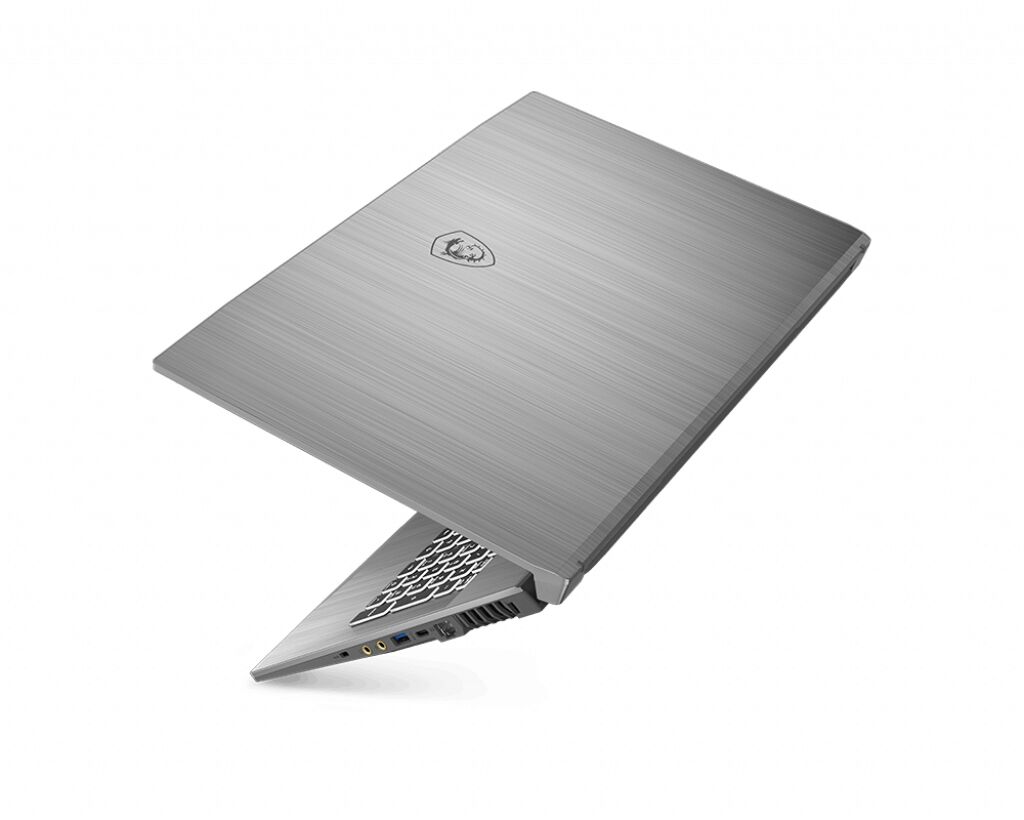
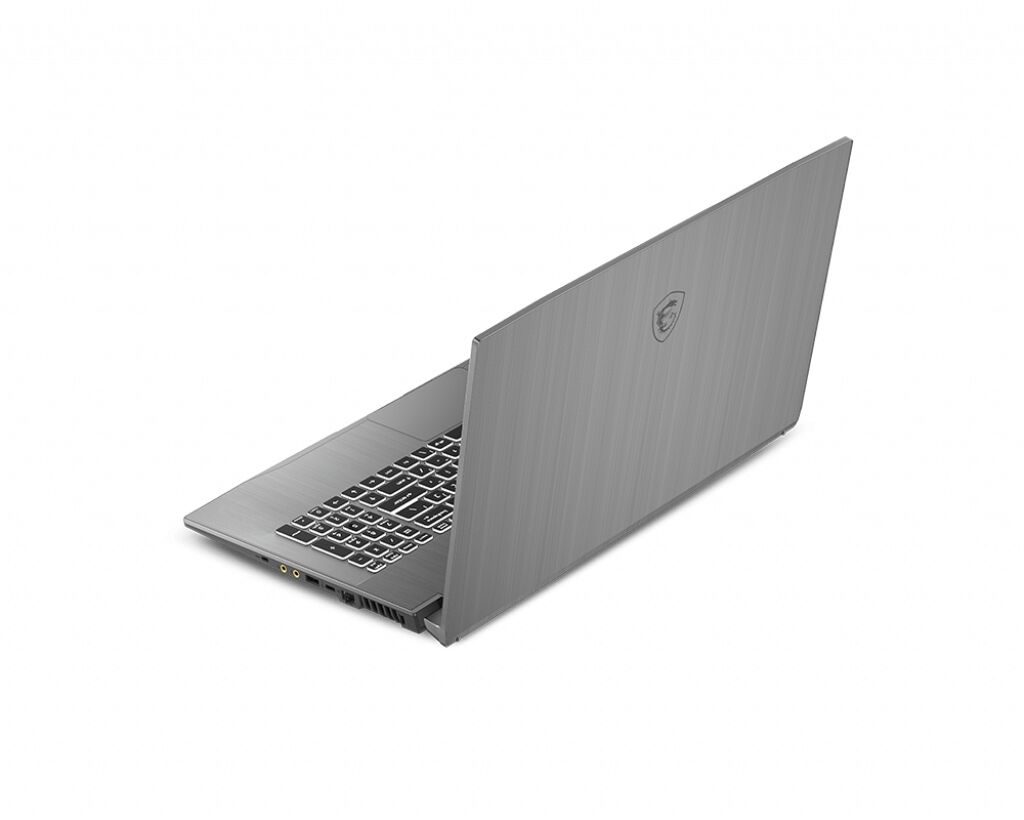
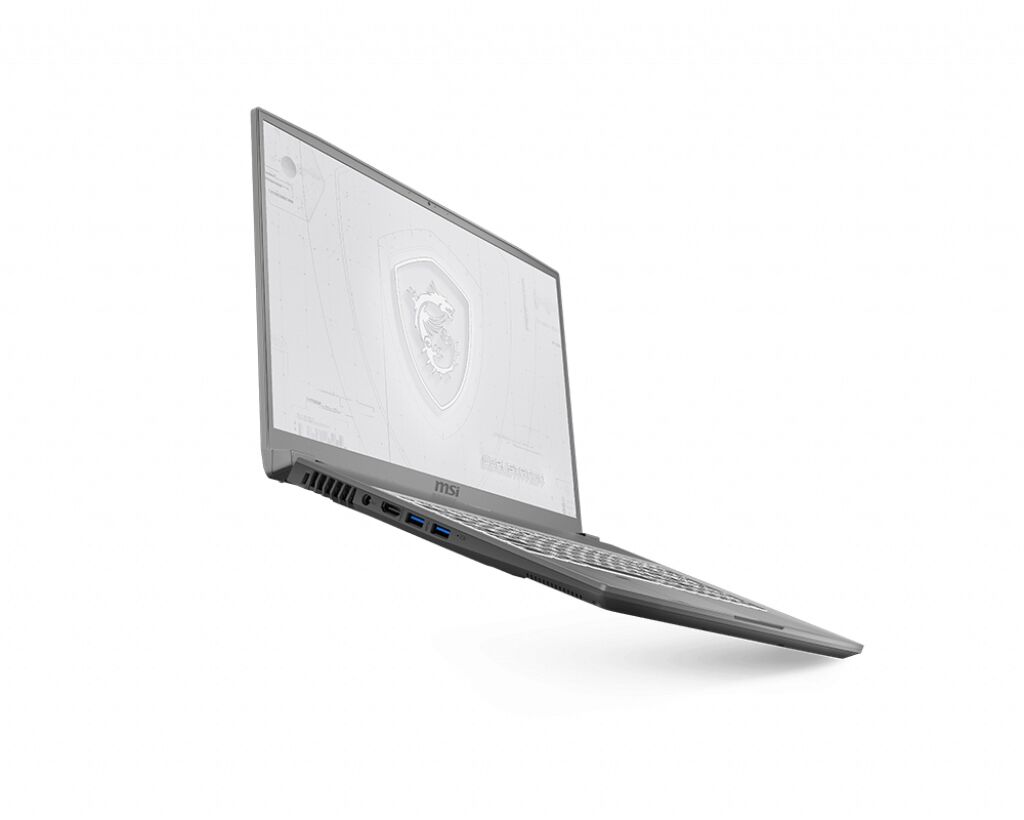
The MSI WF75 10TI-210ES workstation features dual SO-DIMM memory slots supporting DDR4-SDRAM upgrade specifications. Maximum RAM capacity reaches 64 GB, with compatible modules operating at 2666 MHz frequency. The WF75 series accommodates SO-DIMM form factor memory upgrades, enabling users to expand the laptop's memory configuration for enhanced multitasking and workload performance. Current memory specifications and available upgrade slots allow for flexible RAM expansion within the established maximum capacity parameters.
Memory Upgrade Specifications
| Specification | Value |
|---|---|
| Memory slots | 2x SO-DIMM |
| Form factor | SO-DIMM |
| Memory type | DDR4-SDRAM |
| Frequency | 2666 MHz |
| Maximum RAM | 64 GB |
| Voltage | 1.2V |
| Number of pins | 260-pin |
| Interface | PC4 |
| PC Speed Rating | PC4-2666 (PC4-21328) |
| Bandwidth | 21.3 GB/s |
| Laptop Release date | 04 June 2020 |
Additional Notes
- The MSI WF75 10TI-210ES accommodates maximum 64 GB capacity across 2 SO-DIMM slots, requiring matched pairs for dual-channel operation to achieve rated memory bandwidth.
- DDR4-2666 MHz specification indicates a 10th-generation Intel processor architecture; memory upgrades must match this frequency or operate at reduced clock speeds, creating potential 3-5% performance degradation if mismatched modules are installed.
- SO-DIMM form factor restricts upgrade options to laptop-grade memory modules; desktop DDR4 DIMMs are physically incompatible and cannot be mechanically inserted into the available slots.
- Dual-slot configuration means memory expansion requires complete module replacement rather than incremental addition; users cannot retain existing modules when upgrading to 64 GB maximum capacity.
- The 64 GB ceiling on a workstation-class machine suggests PCH chipset limitations; third-party memory vendors may not officially certify modules beyond this threshold, affecting warranty coverage during installation.
- SO-DIMM memory typically costs 15-20% more per gigabyte than desktop DDR4, and 2666 MHz variants are increasingly scarce in current retail markets as DDR4-3200 becomes standard specification.
- Two-slot configuration eliminates redundancy; a single module failure renders half the installed memory inaccessible, creating a single point of failure for systems relying on maximum capacity.