MSI Workstation WF75 10TI-087CA RAM upgrade specifications
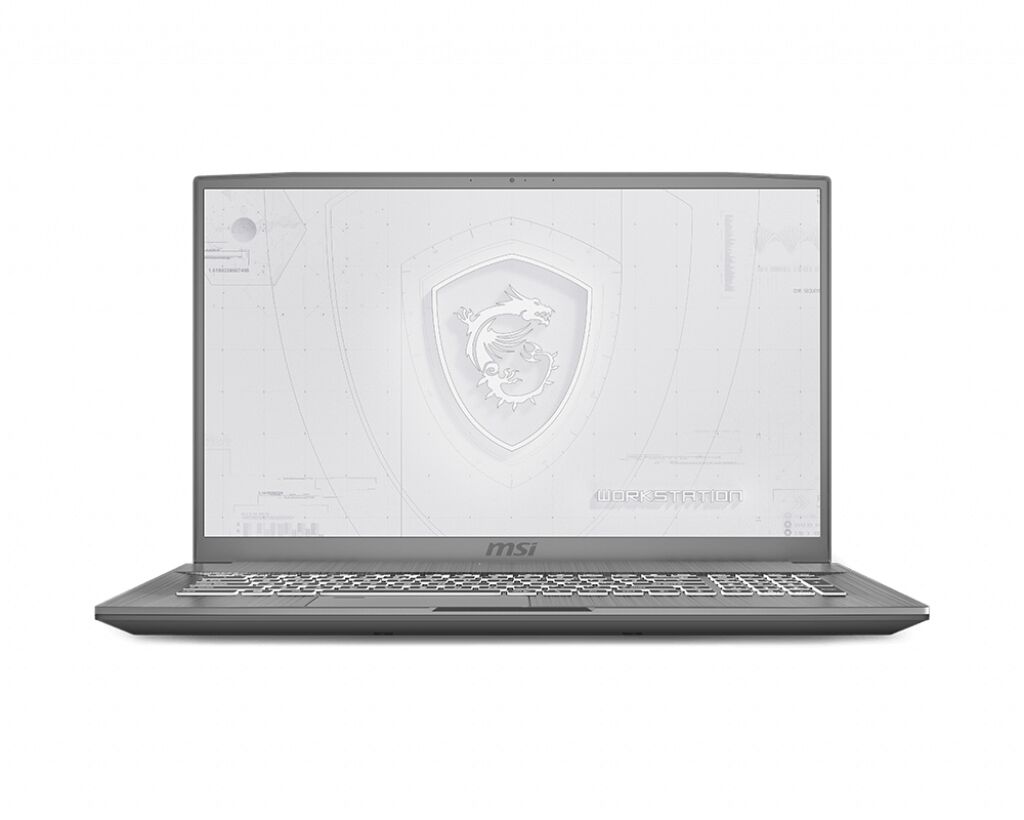
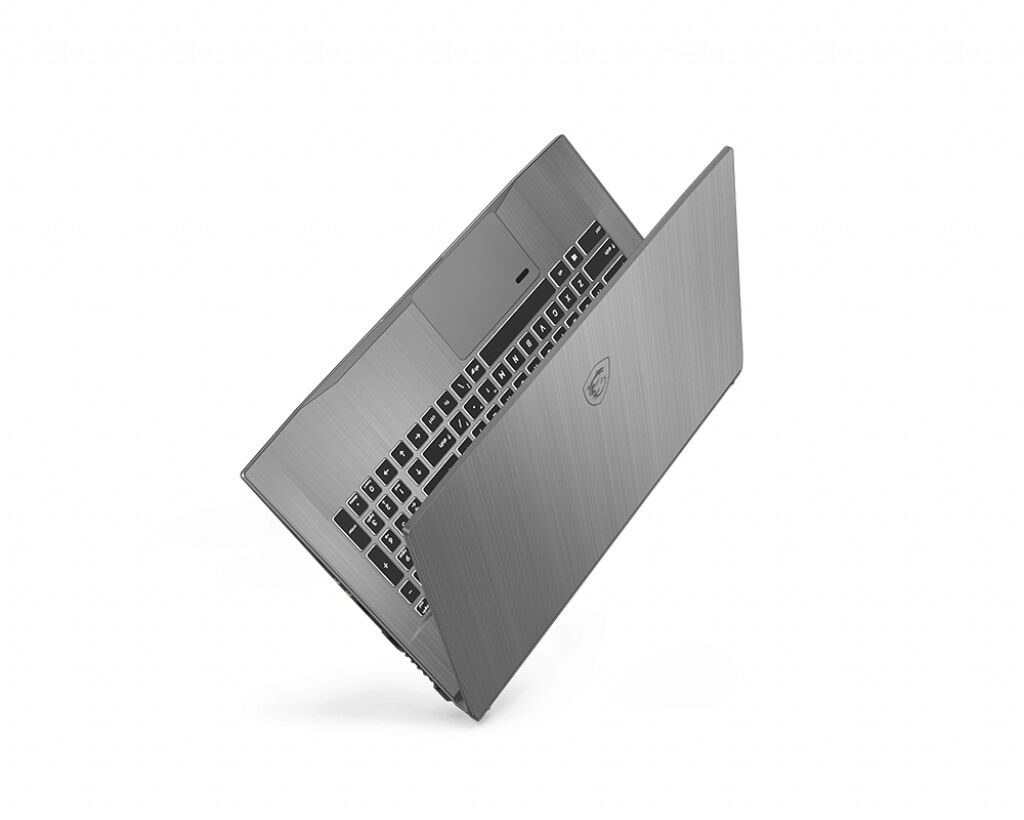
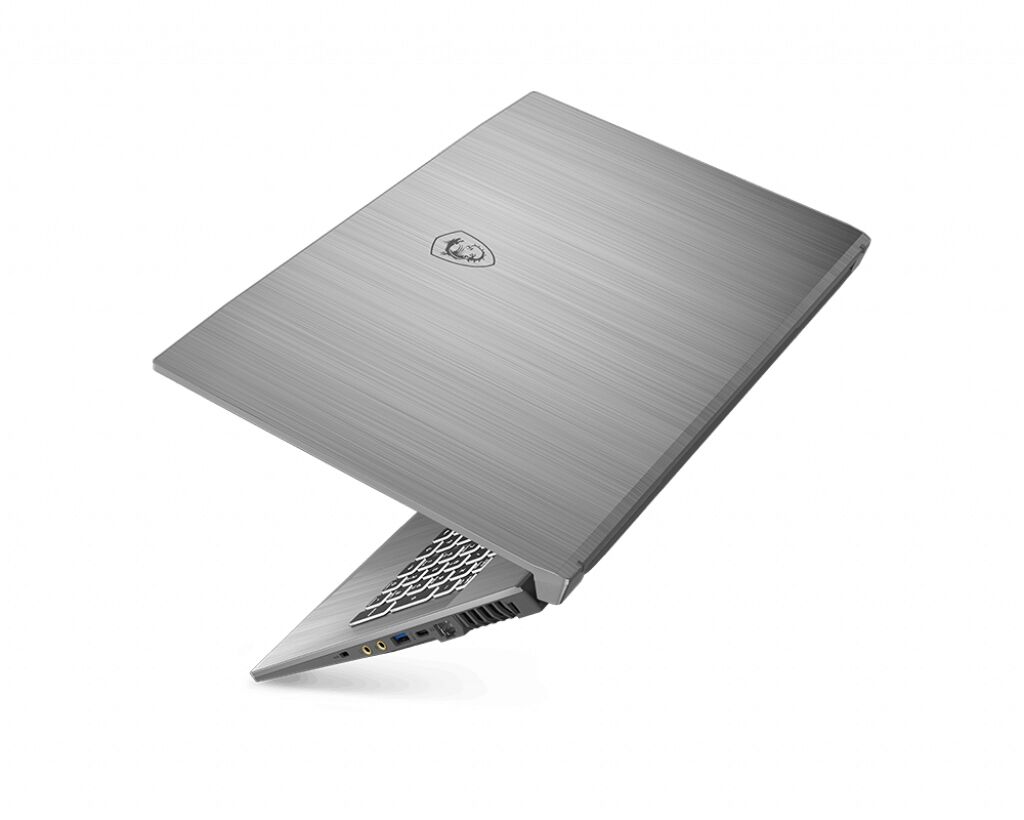
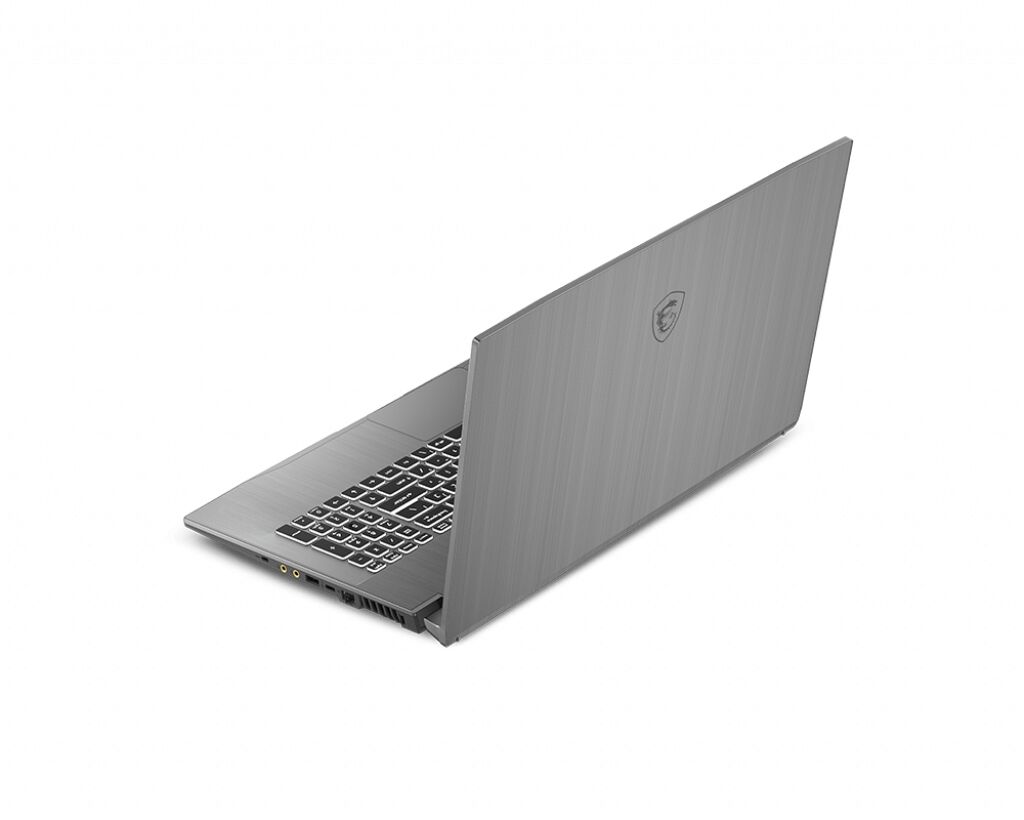
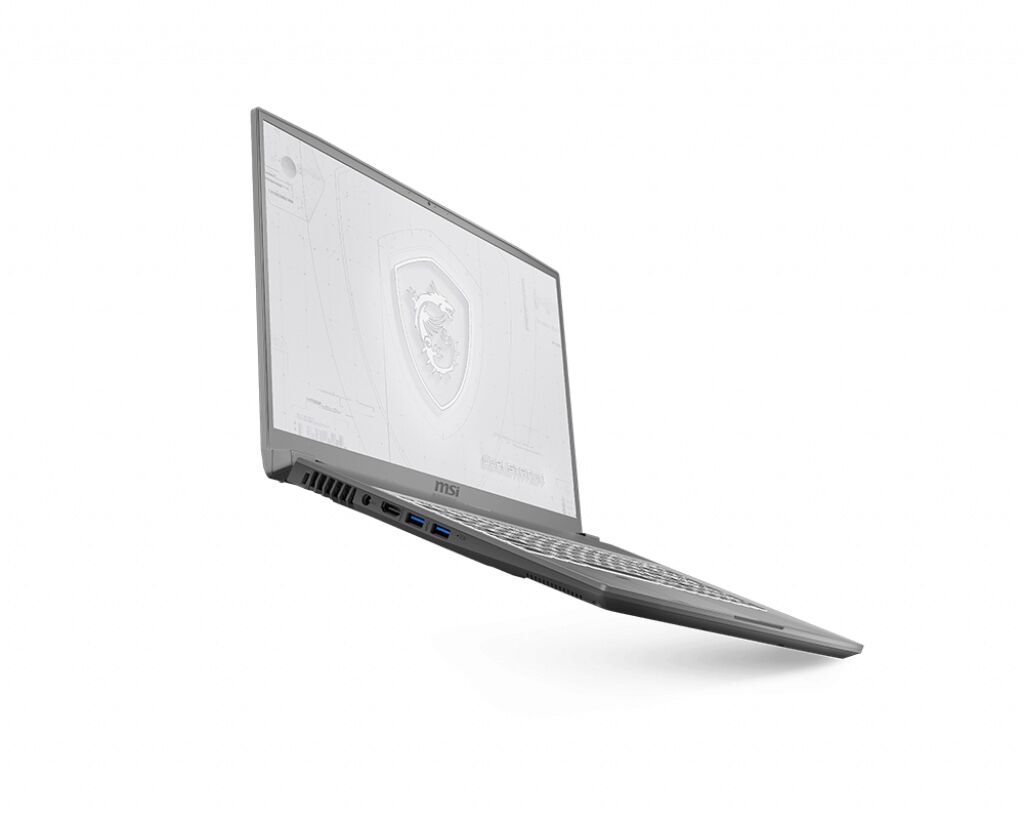
The MSI WF75 10TI-087CA workstation series features DDR4-SDRAM memory upgrade specifications with two SO-DIMM slots supporting maximum RAM capacity of 64 GB. Compatible memory operates at 2666 MHz frequency. Upgrade slots accommodate standard SO-DIMM form factor modules, enabling memory expansion for enhanced performance in professional workstation applications.
Memory Upgrade Specifications
| Specification | Value |
|---|---|
| Memory slots | 2x SO-DIMM |
| Form factor | SO-DIMM |
| Memory type | DDR4-SDRAM |
| Frequency | 2666 MHz |
| Maximum RAM | 64 GB |
| Voltage | 1.2V |
| Number of pins | 260-pin |
| Interface | PC4 |
| PC Speed Rating | PC4-2666 (PC4-21328) |
| Bandwidth | 21.3 GB/s |
| Laptop Release date | 22 July 2020 |
Additional Notes
- The MSI WF75 10TI-087CA workstation requires SO-DIMM modules, which prevents installation of standard desktop DIMM memory despite both using DDR4 technology.
- The 2666 MHz frequency ceiling reflects the Intel 10th generation Comet Lake chipset limitation, making higher-speed modules function at reduced rates if installed.
- Reaching the 64 GB ceiling requires two 32 GB modules, as single 64 GB SO-DIMM modules do not exist in DDR4 architecture.
- The dual-slot configuration prohibits mixing module capacities without sacrificing dual-channel bandwidth, forcing symmetric pairs for optimal memory interleaving.
- Installing non-matched modules triggers single-channel operation, cutting theoretical bandwidth from 42.6 GB/s to 21.3 GB/s in workstation rendering tasks.
- JEDEC standard DDR4-2666 operates at 1.2V, while non-compliant modules rated at 1.35V or higher may cause thermal throttling in the confined SO-DIMM bay.
- Module height exceeding 30mm risks physical interference with thermal management components in mobile workstation chassis designs.
- Warranty preservation requires avoiding XMP-enabled modules, as voltage and timing modifications fall outside manufacturer-supported configurations.
- Error-correcting code memory remains incompatible with consumer chipsets in this mobile platform regardless of module specification.
- The absence of a third or fourth slot eliminates incremental upgrade paths, requiring complete replacement of existing modules to increase capacity.