MSI Workstation WF75 10TI-085FR RAM upgrade specifications
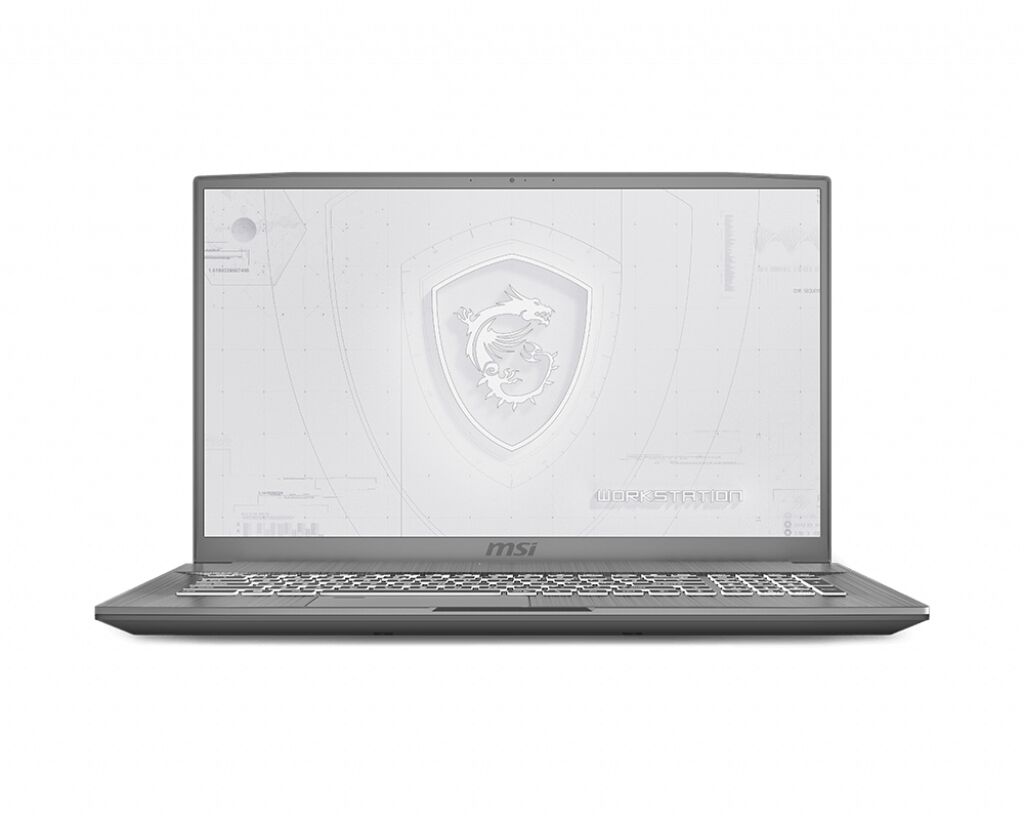
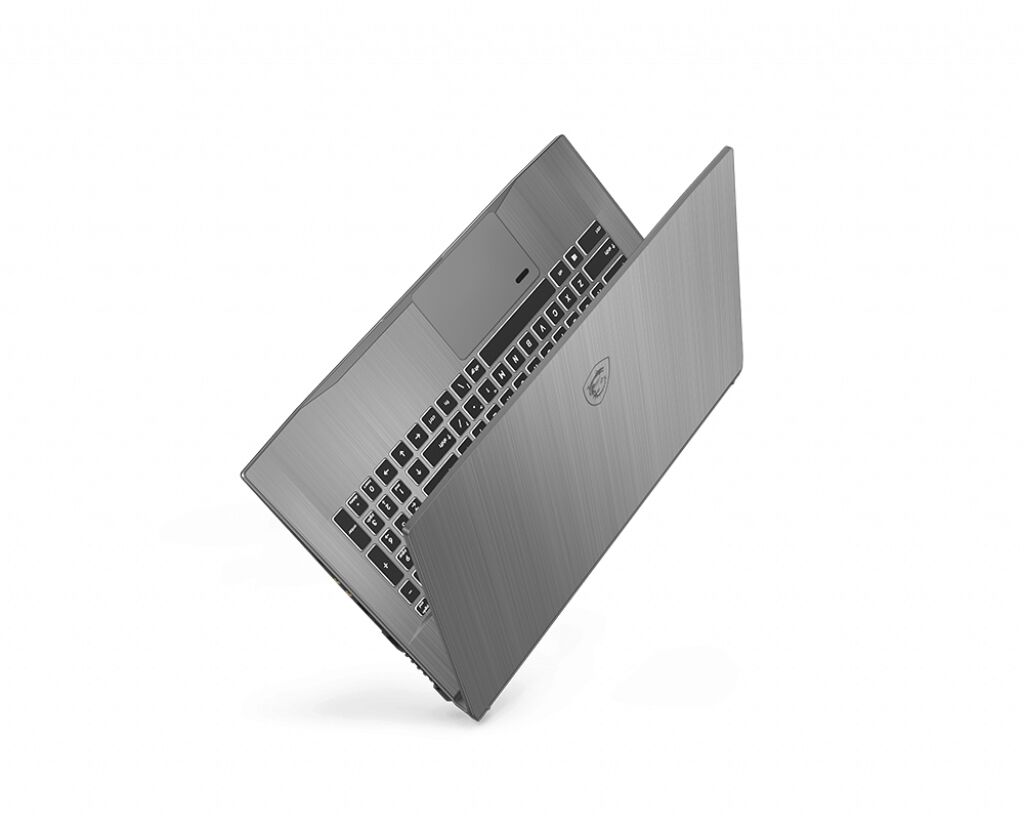
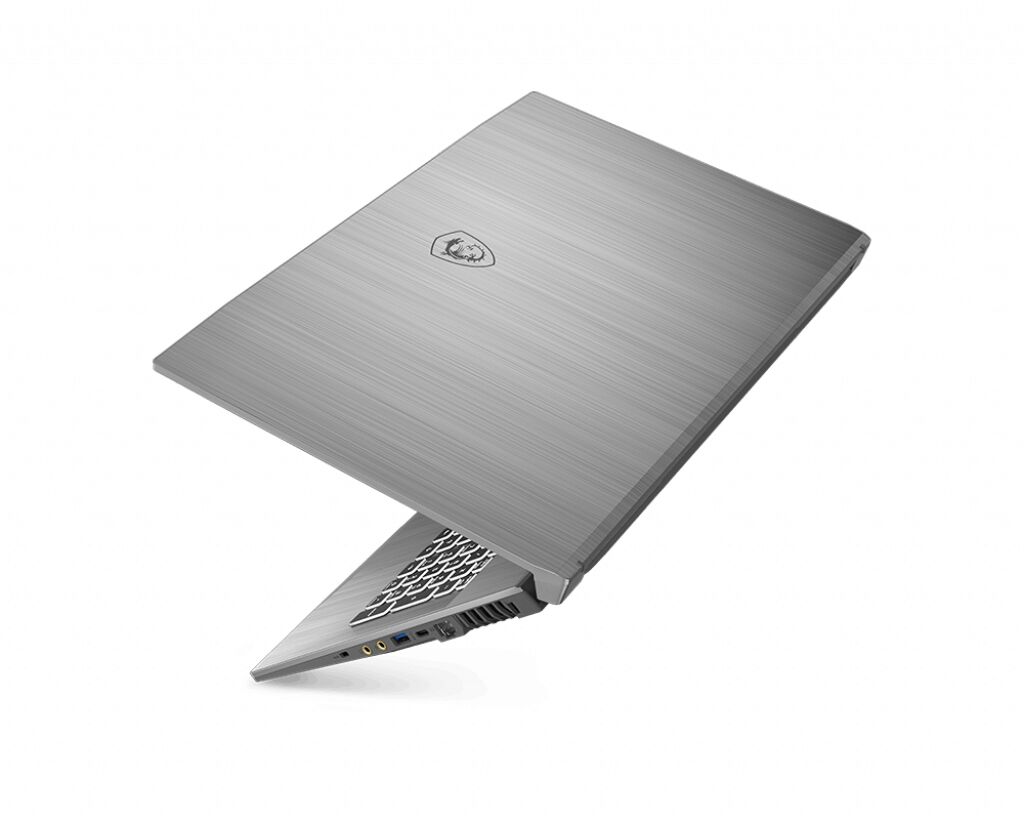
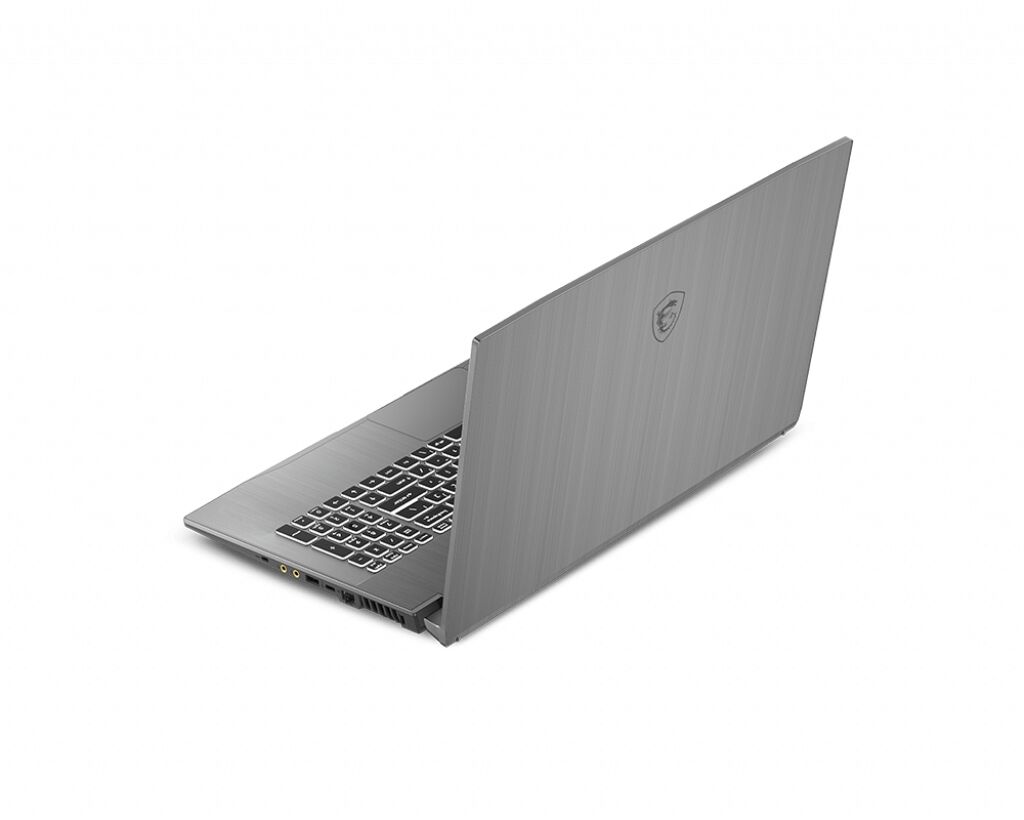

The MSI WF75 10TI-085FR workstation series features DDR4-SDRAM memory specifications with two SO-DIMM slots for RAM upgrade capacity. Maximum compatible memory reaches 64 GB total, with DDR4 modules operating at 2666 MHz frequency. The SO-DIMM form factor supports memory expansion, allowing users to upgrade from the factory configuration to the maximum 64 GB specifications. Compatible DDR4-SDRAM upgrades must match the designated frequency and form factor for optimal performance within the MSI WF75 10TI-085FR workstation platform.
Memory Upgrade Specifications
| Specification | Value |
|---|---|
| Memory slots | 2x SO-DIMM |
| Form factor | SO-DIMM |
| Memory type | DDR4-SDRAM |
| Frequency | 2666 MHz |
| Maximum RAM | 64 GB |
| Voltage | 1.2V |
| Number of pins | 260-pin |
| Interface | PC4 |
| PC Speed Rating | PC4-2666 (PC4-21328) |
| Bandwidth | 21.3 GB/s |
| Laptop Release date | 22 August 2020 |
Additional Notes
- The 2x SO-DIMM slot configuration limits upgrade flexibility; both slots must be populated simultaneously to achieve maximum capacity, meaning a single 32 GB module cannot be added incrementally without replacing existing memory.
- DDR4-2666 MHz represents the baseline supported frequency for the MSI WF75 10TI-085FR workstation; higher-frequency DDR4 modules will downclock to this specification, eliminating any performance gains from premium memory purchases.
- SO-DIMM form factor restricts module sourcing to laptop-grade memory; desktop DDR4 DIMMs are physically incompatible and cannot be adapted, narrowing replacement options to a specific subset of vendors.
- The 64 GB ceiling creates a bandwidth saturation point; dual-channel architecture with 2 slots means memory bandwidth tops out at approximately 42.7 GB/s, which may become a constraint under heavy multithreaded workloads typical in professional rendering or data processing tasks.
- Transitioning from lower capacities to 64 GB requires purchasing 2x 32 GB modules simultaneously; the discarded original memory cannot be partially redeployed unless a secondary device with matching SO-DIMM architecture is available.
- Memory latency characteristics at 2666 MHz are fixed by the platform chipset; CAS latency improvements or XMP profiles have no functional effect, making advertised low-latency variants redundant at the same frequency specification.