MSI Workstation WF75 10TI-204IT RAM upgrade specifications
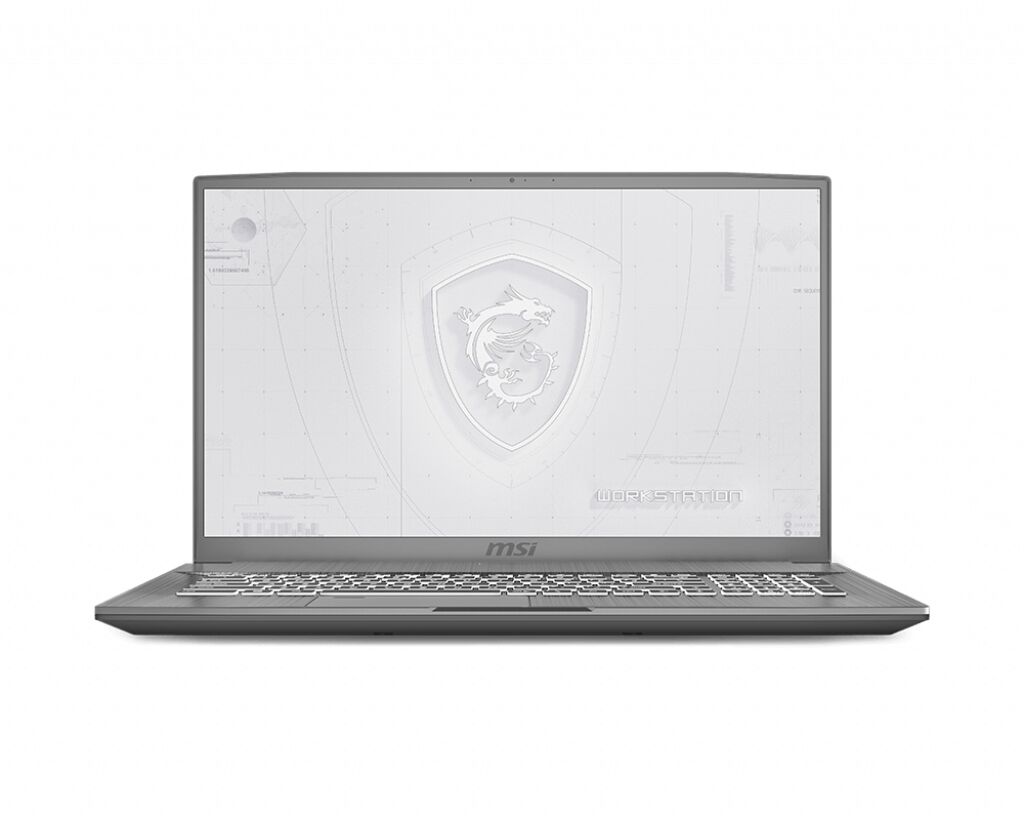
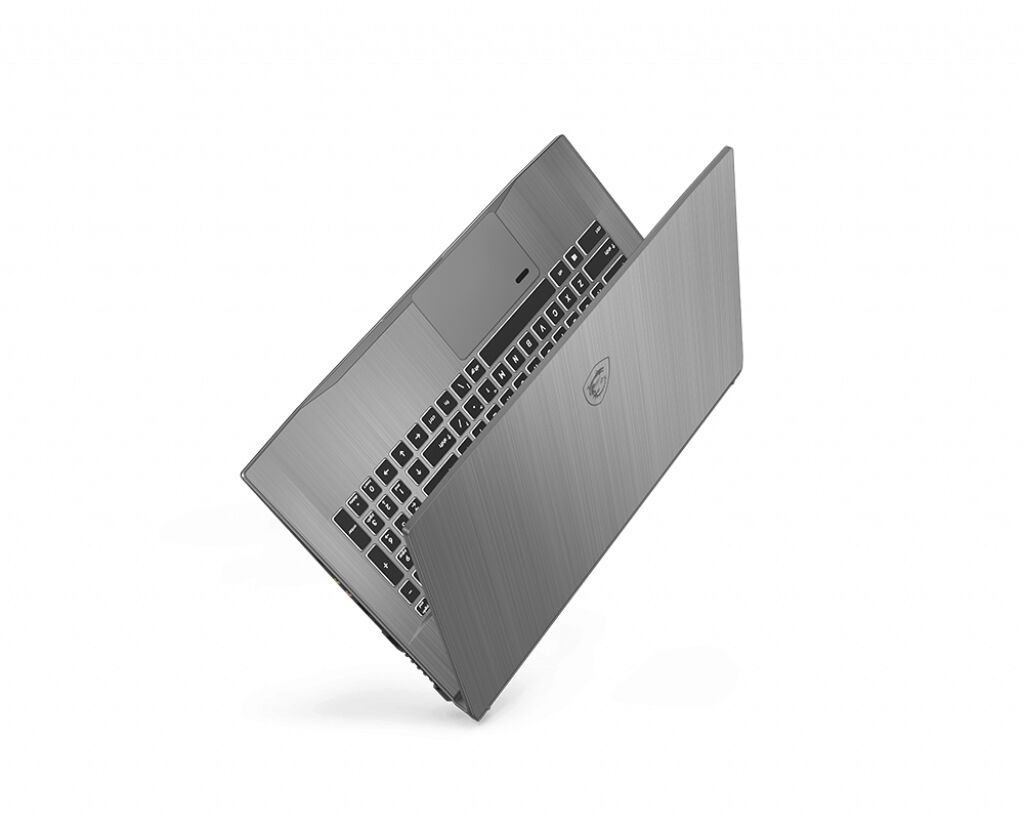
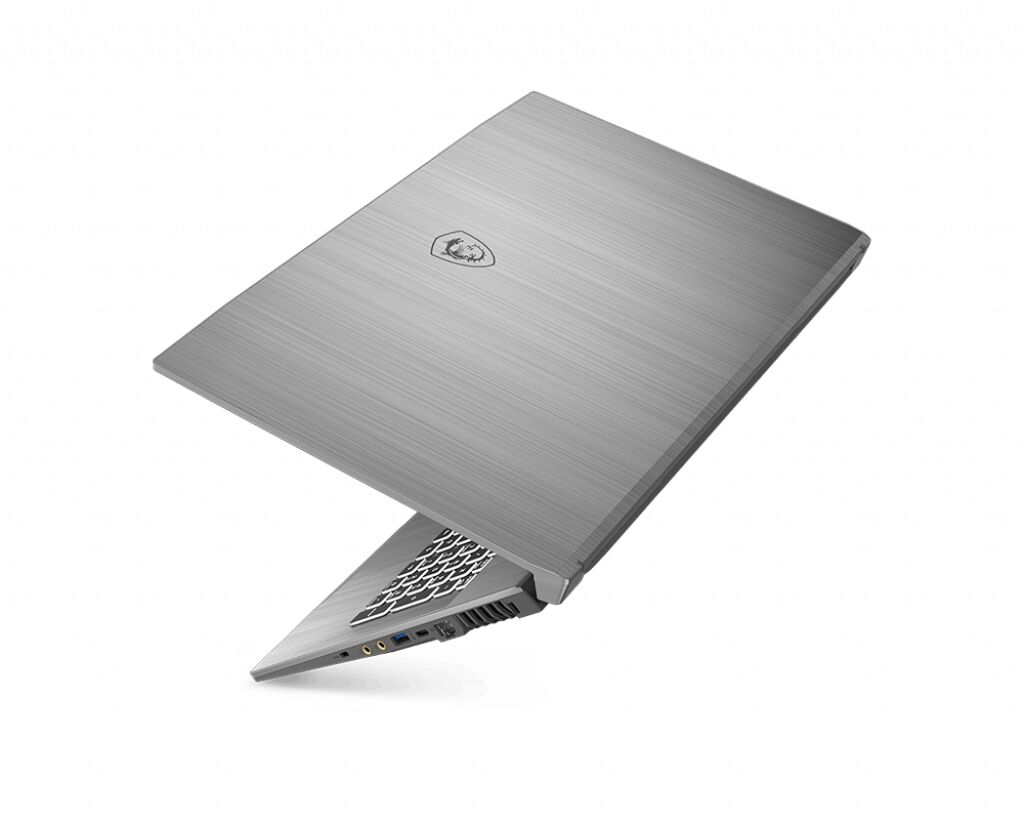
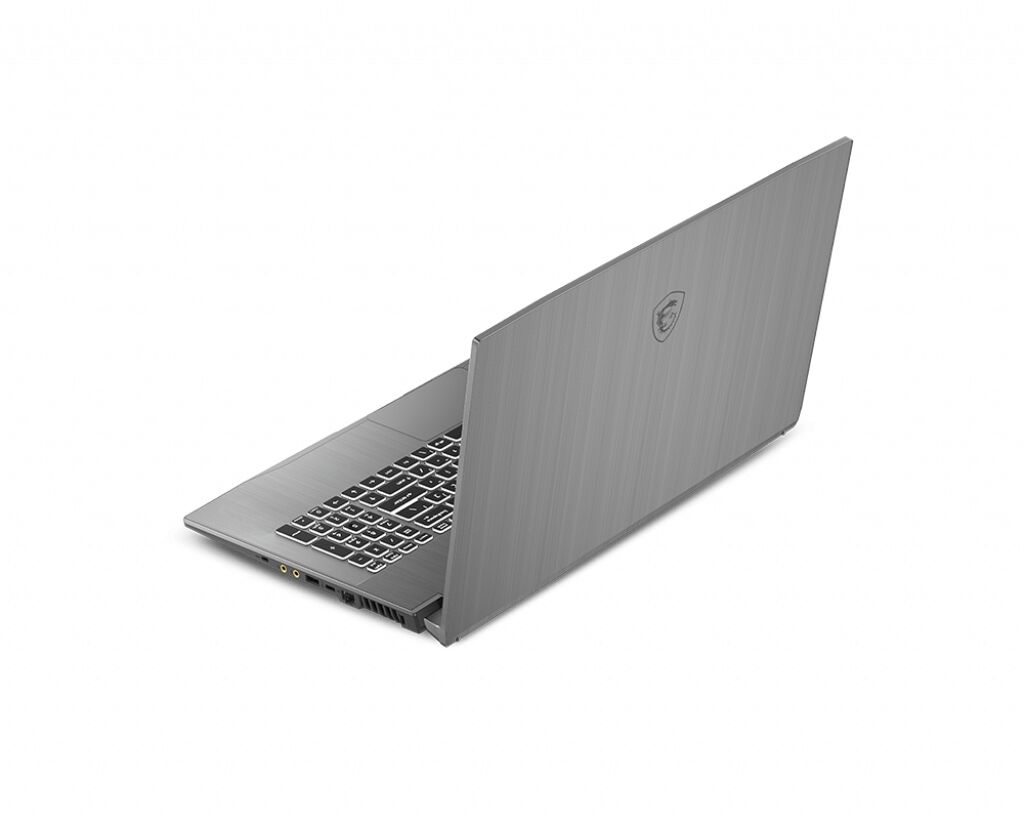
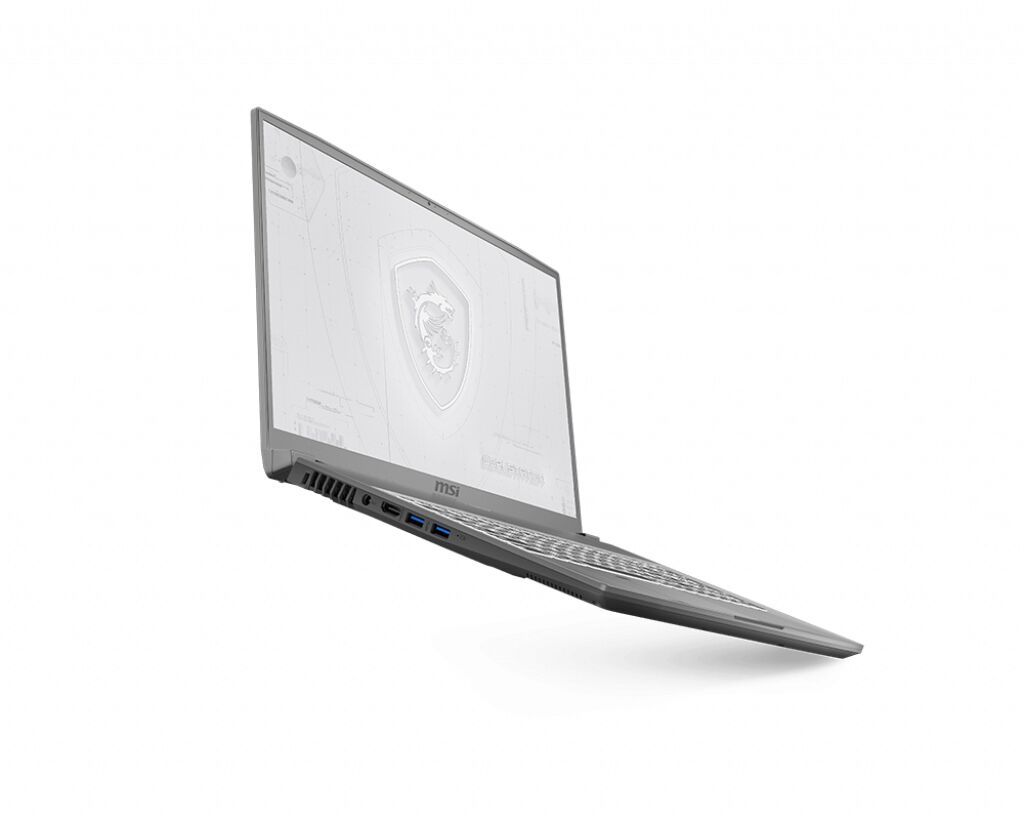
MSI WF75 10TI-204IT workstation features DDR4-SDRAM memory upgrade capabilities with 2x SO-DIMM slots supporting maximum capacity of 64 GB total. Compatible RAM modules operate at 2666 MHz frequency using SO-DIMM form factor. Specifications enable memory expansion for enhanced multitasking and professional workload performance within the WF75 series platform.
Memory Upgrade Specifications
| Specification | Value |
|---|---|
| Memory slots | 2x SO-DIMM |
| Form factor | SO-DIMM |
| Memory type | DDR4-SDRAM |
| Frequency | 2666 MHz |
| Maximum RAM | 64 GB |
| Voltage | 1.2V |
| Number of pins | 260-pin |
| Interface | PC4 |
| PC Speed Rating | PC4-2666 (PC4-21328) |
| Bandwidth | 21.3 GB/s |
| Laptop Release date | 28 July 2020 |
Additional Notes
- The MSI WF75 10TI-204IT supports a maximum of 32 GB per slot when fully populated with 64 GB total.
- DDR4-2666 operates at PC4-21300 bandwidth, delivering 21.3 GB/s theoretical throughput per channel in dual-channel configuration.
- This workstation accepts SO-DIMM modules with 260-pin configuration, which differ physically from standard desktop DIMM modules.
- Modules rated above 2666 MHz will downclock to match the system's maximum supported frequency.
- Dual-channel memory architecture requires matched pairs installed across both slots for optimal bandwidth utilization.
- Single-slot population results in single-channel operation, halving theoretical memory bandwidth to approximately 10.65 GB/s.
- ECC memory modules are incompatible with this platform despite sharing the SO-DIMM form factor.
- CAS latency affects real-world performance independently of frequency; lower CL values at 2666 MHz reduce access time.
- Operating voltage must comply with DDR4 standard specification of 1.2V; higher voltage modules risk stability issues or rejection.
- Mixed-capacity configurations between slots maintain functionality but optimal performance occurs with identical module specifications.
- The 10th generation Intel platform determines supported memory ranks; typically quad-rank configurations per channel face compatibility limitations.
- Memory upgrades preserve warranty coverage when using JEDEC-compliant DDR4 SO-DIMM modules within specified parameters.
- Non-buffered (unbuffered) modules are required; registered or load-reduced memory types designed for servers will not function.
- Ambient operating temperature affects memory stability at maximum capacity; adequate ventilation prevents thermal throttling.