MSI Workstation WP65 9TH-433CA RAM upgrade specifications
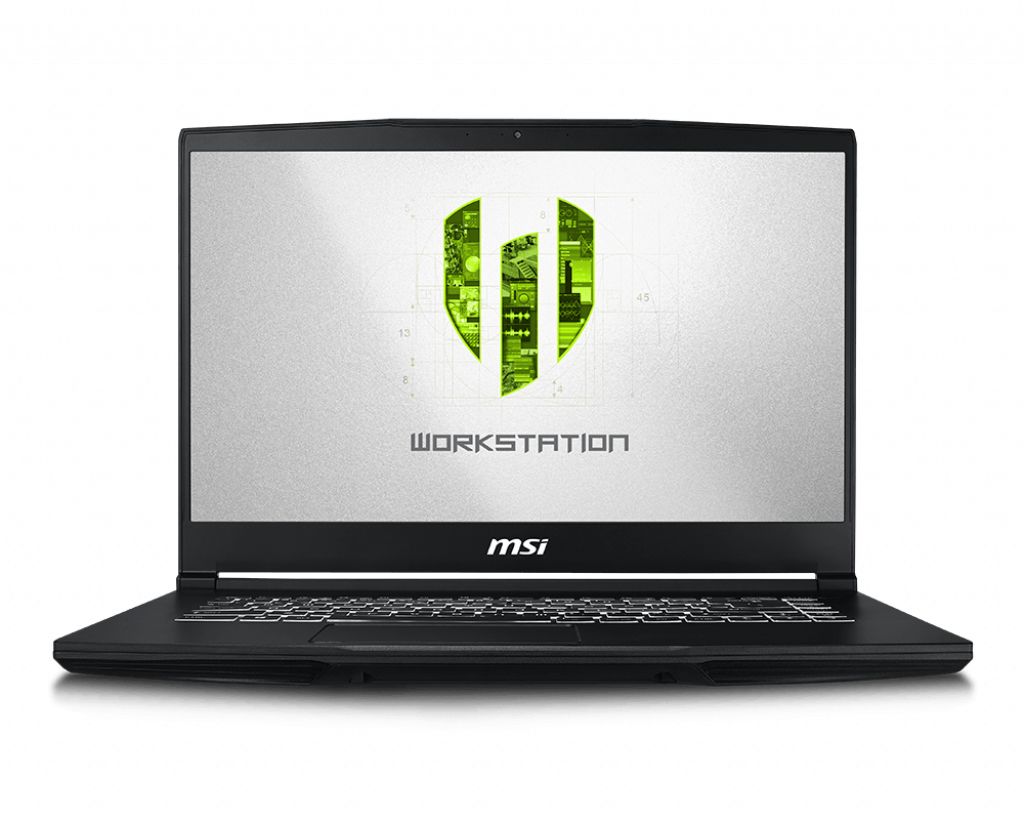


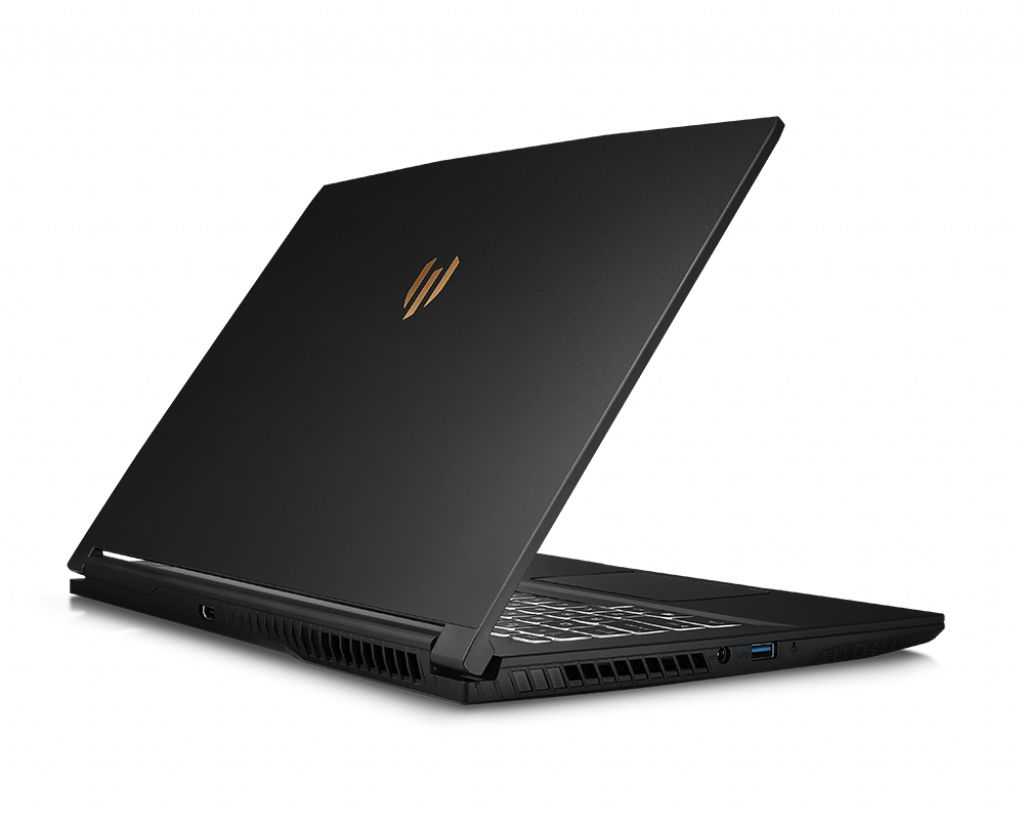

The MSI WP65 9TH-433CA workstation features DDR4-SDRAM memory upgrade capabilities with two SO-DIMM slots supporting maximum memory capacity of 64 GB. Compatible RAM specifications operate at 2666 MHz frequency. Memory upgrades for the WP65 series utilize SO-DIMM form factor modules. Specifications indicate the WP65 9TH-433CA model supports modular memory expansion through dual slot configuration, enabling technicians to install compatible DDR4 modules up to the maximum 64 GB capacity threshold across available upgrade slots.
Memory Upgrade Specifications
| Specification | Value |
|---|---|
| Memory slots | 2x SO-DIMM |
| Form factor | SO-DIMM |
| Memory type | DDR4-SDRAM |
| Frequency | 2666 MHz |
| Maximum RAM | 64 GB |
| Voltage | 1.2V |
| Number of pins | 260-pin |
| Interface | PC4 |
| PC Speed Rating | PC4-2666 (PC4-21328) |
| Bandwidth | 21.3 GB/s |
| Laptop Release date | 25 November 2019 |
Additional Notes
- The MSI WP65 9TH-433CA workstation supports memory frequencies up to 2666 MHz, which represents DDR4 standard-grade performance rather than high-performance variants. Aftermarket modules rated for 3000 MHz or higher will operate at reduced 2666 MHz speeds, effectively capping bandwidth at approximately 42.6 GB/s regardless of module specification.
- SO-DIMM form factor restricts upgrade capacity to 2 slots with a 64 GB ceiling. Each individual module cannot exceed 32 GB, meaning the system cannot accommodate newer 48 GB or 64 GB SO-DIMM modules marketed for newer workstations, even if frequency-compatible alternatives become available.
- Installation of 64 GB total memory (2x32 GB configuration) requires modules manufactured after approximately 2019, as commercial 32 GB SO-DIMM DDR4 production was limited before that period. Sourcing matching pairs from discontinued product lines may introduce compatibility testing requirements before purchase confirmation.
- The 2-slot architecture prevents incremental memory expansion beyond the maximum threshold. Adding memory requires replacing existing modules rather than utilizing available slots, effectively restricting the upgrade path to a single viable transition point per populated slot.
- SO-DIMM modules typically generate measurably higher operating temperatures than full-size DIMM equivalents due to compact design constraints. Dense 32 GB SO-DIMMs in particular operate at thermal ceilings that may trigger throttling or shorten module lifespan if case airflow is restricted or ambient temperature exceeds 25 degrees Celsius.
- The 9th-generation processor architecture in this workstation model predates official support for DDR4 speeds exceeding 2666 MHz in Intel's memory controller specifications, making JEDEC-compliant modules the only warranty-safe upgrade option regardless of aftermarket performance ratings or vendor claims.