MSI Workstation WS63 7RK-296AU RAM upgrade specifications



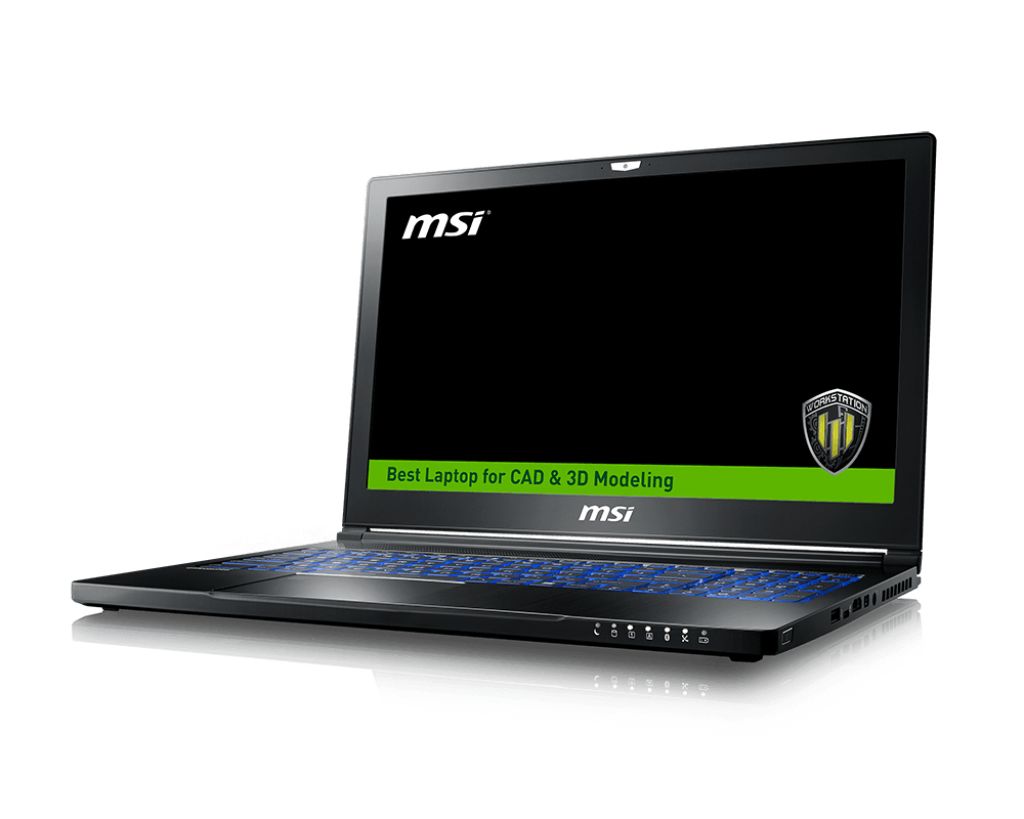

MSI WS63 7RK-296AU workstation features two SO-DIMM slots supporting DDR4-SDRAM memory upgrades. Maximum RAM capacity reaches 32 GB with compatible modules operating at 2400 MHz frequency. Specifications indicate upgrade potential through SO-DIMM memory form factor installation into available slots. Compatible DDR4-SDRAM upgrades enable expanded memory capacity for workstation performance enhancement. SO-DIMM slots accommodate standard laptop memory modules meeting specifications and maximum capacity requirements.
Memory Upgrade Specifications
| Specification | Value |
|---|---|
| Memory slots | 2x SO-DIMM |
| Form factor | SO-DIMM |
| Memory type | DDR4-SDRAM |
| Frequency | 2400 MHz |
| Maximum RAM | 32 GB |
| Voltage | 1.2V |
| Number of pins | 260-pin |
| Interface | PC4 |
| PC Speed Rating | PC4-2400 (PC4-19200) |
| Bandwidth | 19.2 GB/s |
| Laptop Release date | 01 May 2017 |
Additional Notes
- The MSI WS63 7RK-296AU utilizes SO-DIMM modules rather than standard desktop DIMMs, requiring physically smaller memory cards that measure approximately 67.6mm in length compared to the 133.35mm length of full-size modules.
- DDR4-2400 represents a transfer rate of 19,200 MB/s per module in single-channel operation, with dual-channel configuration enabling aggregate theoretical bandwidth of 38,400 MB/s when both slots contain matched modules.
- The 32 GB ceiling requires installation of 2x 16 GB modules to reach maximum capacity, as no higher-density consumer SO-DIMM options exist for this generation's architecture.
- Installing mismatched module capacities or speeds forces the memory controller to operate all installed RAM at the frequency and timings of the slowest module present.
- DDR4-2400 modules feature CAS latencies typically ranging from CL15 to CL17, with tighter timings providing marginal performance improvements in latency-sensitive workloads despite identical clock speeds.
- Mixing different RAM brands or production batches increases the likelihood of stability issues during extended stress testing, even when specifications appear identical on packaging.
- The dual-slot configuration limits upgrade flexibility, as reaching 32 GB necessitates replacing rather than supplementing existing modules if lower-capacity RAM is currently installed.
- Operating voltage for DDR4-2400 SO-DIMM modules standardizes at 1.2V, with low-voltage variants not applicable to this speed grade unlike earlier DDR3 implementations.
- Memory access latency calculated from CL17 specification at 2400 MHz equals approximately 14.17 nanoseconds true latency, impacting performance in database queries and scientific computing tasks.
- Non-ECC unbuffered SO-DIMM modules represent the compatible type for this platform, as workstation-class error correction requires different chipset support not present in this mobile configuration.