MSI Workstation 10TK-1004FR RAM upgrade specifications
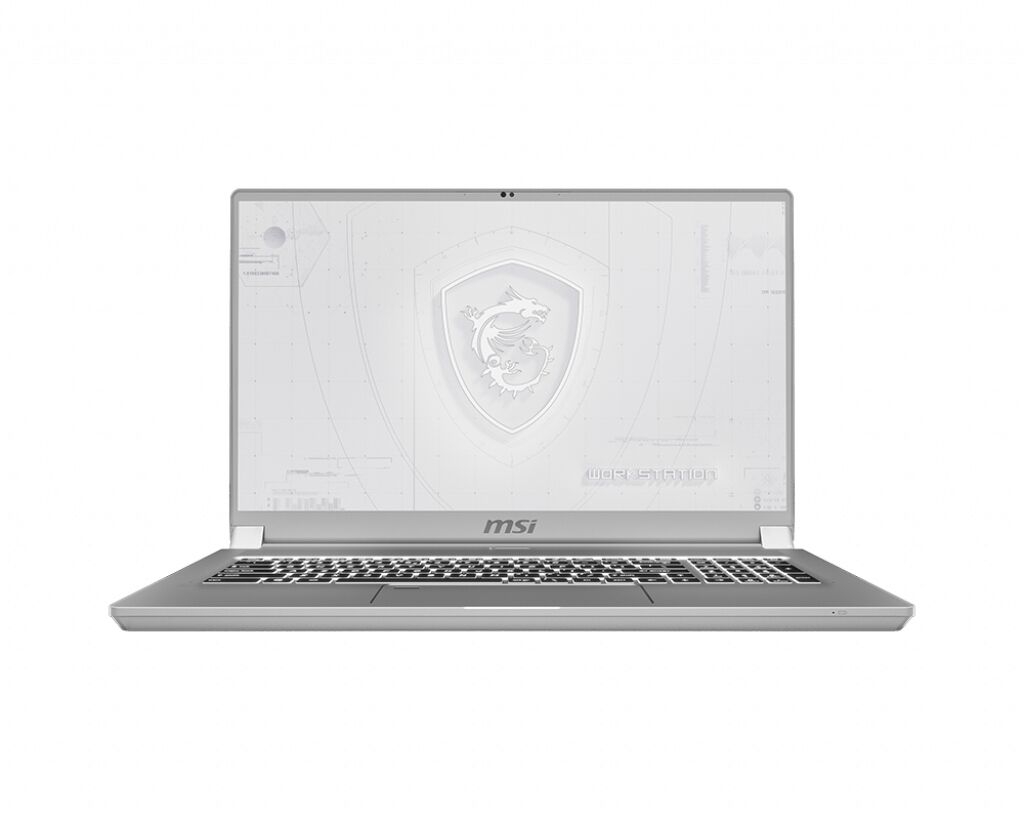
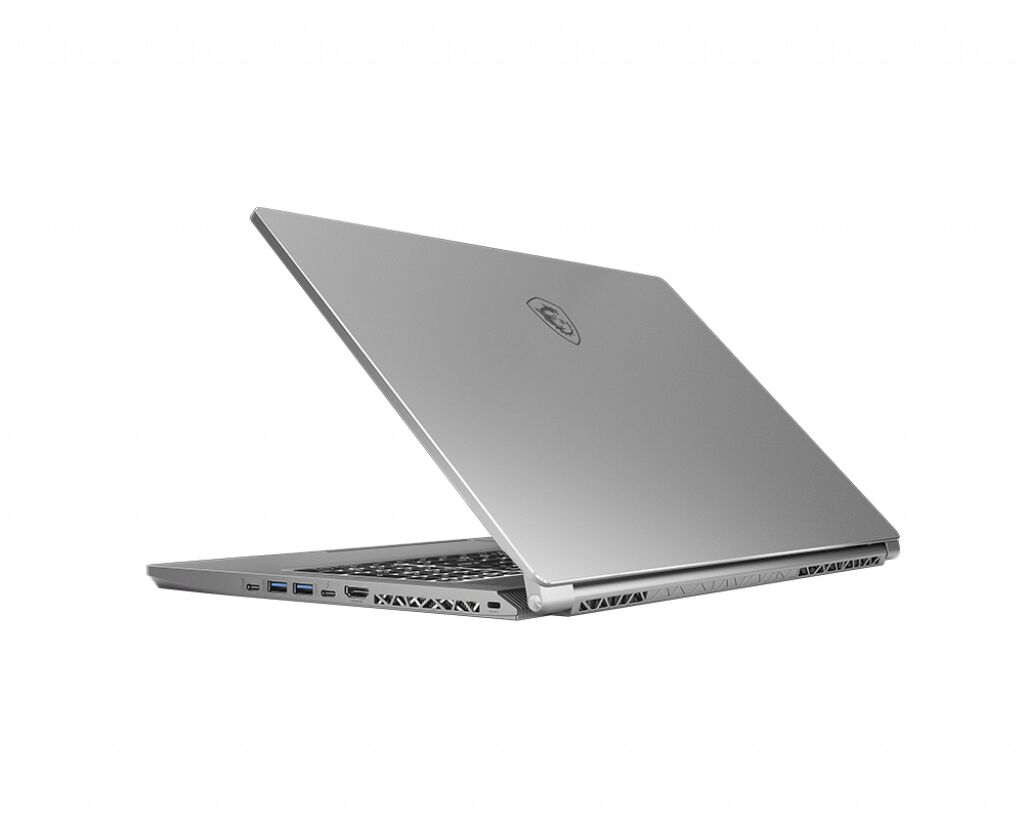
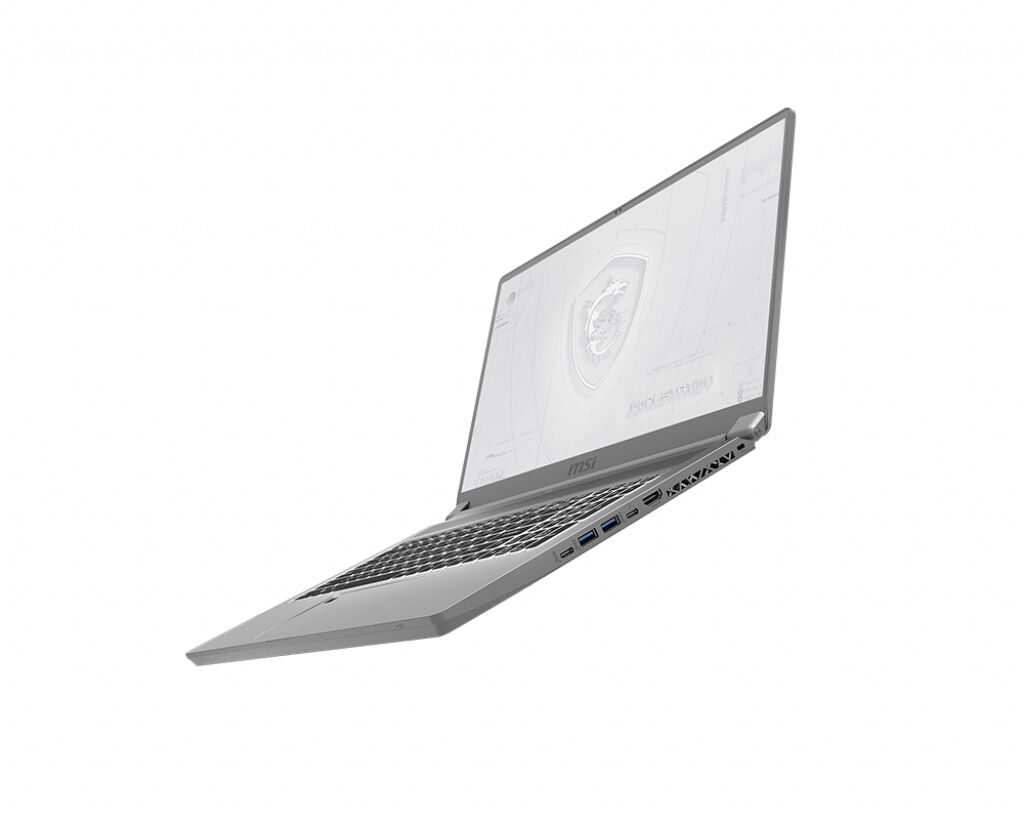
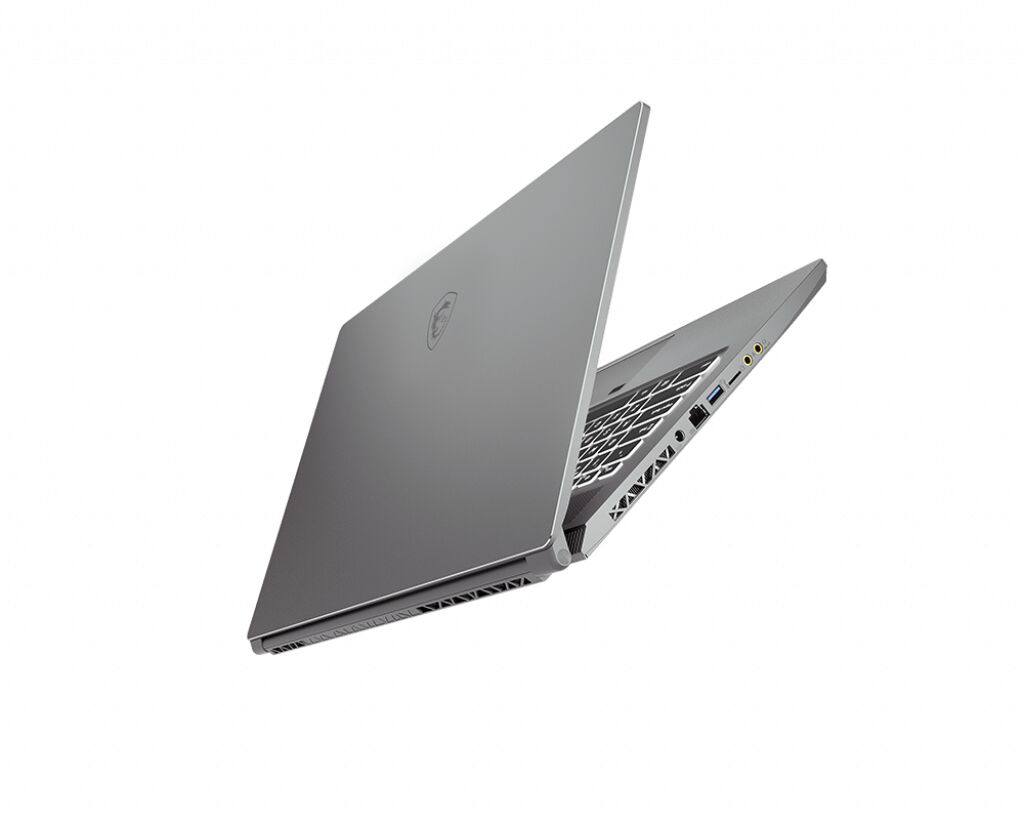
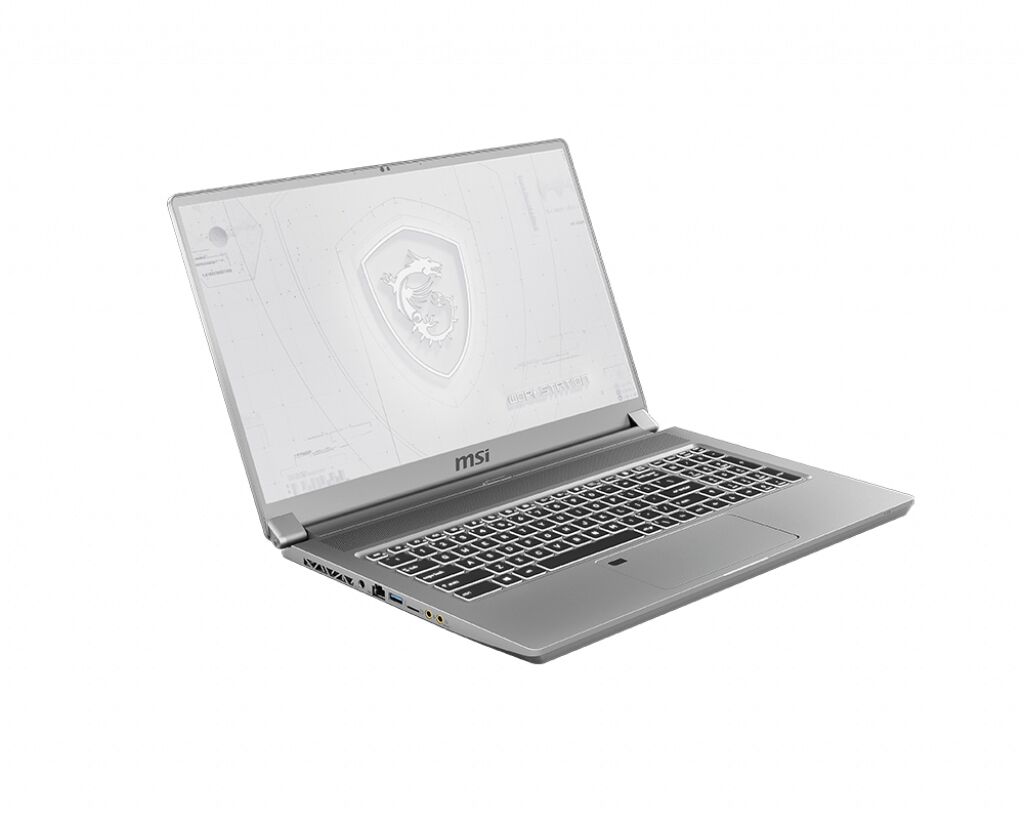
The MSI WS75 10TK-1004FR workstation features DDR4-SDRAM memory upgrade capabilities with 2x SO-DIMM slots supporting a maximum RAM capacity of 64 GB. Compatible memory modules operate at 2666 MHz frequency and use the SO-DIMM form factor. Specifications indicate the laptop supports dual-channel memory configuration for enhanced performance in professional workstation applications.
Memory Upgrade Specifications
| Specification | Value |
|---|---|
| Memory slots | 2x SO-DIMM |
| Form factor | SO-DIMM |
| Memory type | DDR4-SDRAM |
| Frequency | 2666 MHz |
| Maximum RAM | 64 GB |
| Voltage | 1.2V |
| Number of pins | 260-pin |
| Interface | PC4 |
| PC Speed Rating | PC4-2666 (PC4-21328) |
| Bandwidth | 21.3 GB/s |
| Laptop Release date | 19 December 2020 |
Additional Notes
- The MSI Workstation 10TK-1004FR accepts only small outline modules, preventing installation of standard desktop RAM sticks due to physical incompatibility between form factors.
- DDR4 architecture requires matching generation modules, making DDR3 or DDR5 memory incompatible regardless of physical form factor.
- The 64 GB ceiling translates to a maximum configuration of 2 modules at 32 GB each when both slots are populated.
- Native 2666 MHz operation indicates JEDEC standard timing support without requiring XMP profile activation in BIOS.
- Dual-channel bandwidth reaches 42.6 GB/s theoretical maximum when both slots contain matched modules of identical specifications.
- Single-slot population cuts memory bandwidth in half compared to dual-channel configuration, creating potential performance bottlenecks in memory-intensive applications.
- Module height restrictions typical of SO-DIMM installations rarely pose clearance issues due to compact low-profile design standards.
- Running modules faster than 2666 MHz may require manual BIOS frequency adjustment and could result in system instability if the memory controller lacks headroom.
- Mixing modules with different speeds forces all installed memory to operate at the lowest common frequency.
- ECC memory compatibility depends on chipset and processor support not specified in these memory parameters alone.
- Voltage requirements default to 1.2V standard for DDR4, with low-voltage variants potentially incompatible if firmware lacks support.
- Accessing occupied slots typically requires bottom panel removal and may void warranty seals depending on manufacturer service policies.