MSI Workstation 10TL-1022FR RAM upgrade specifications
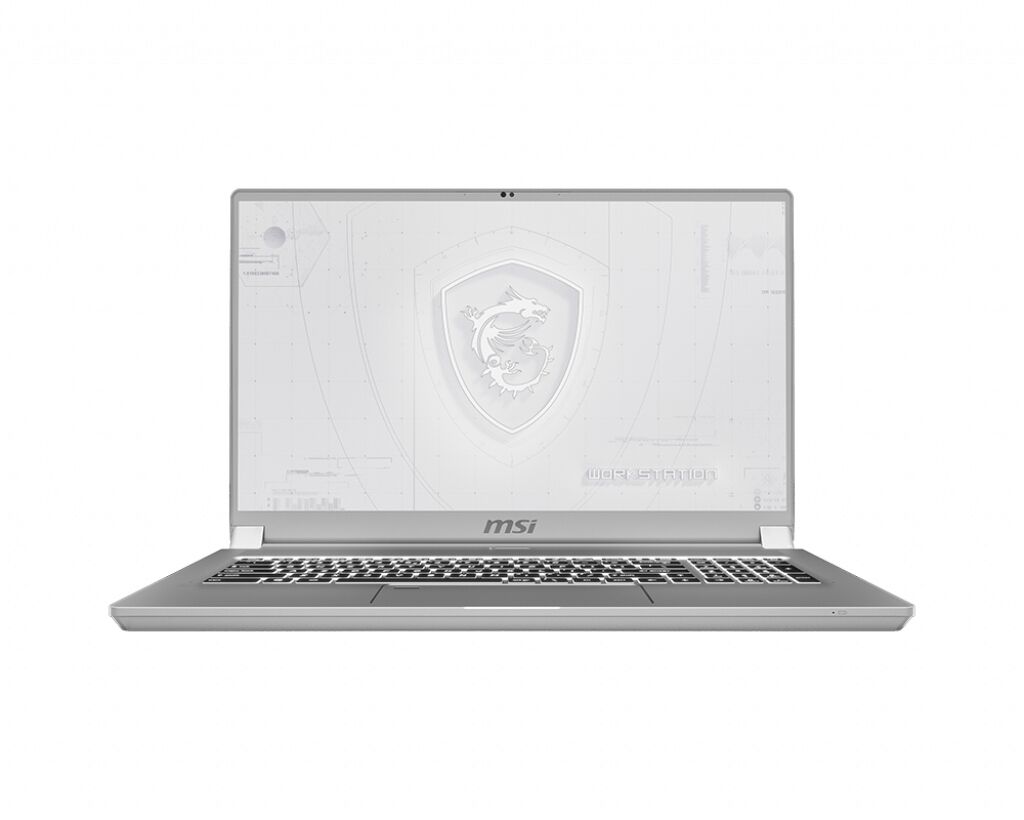

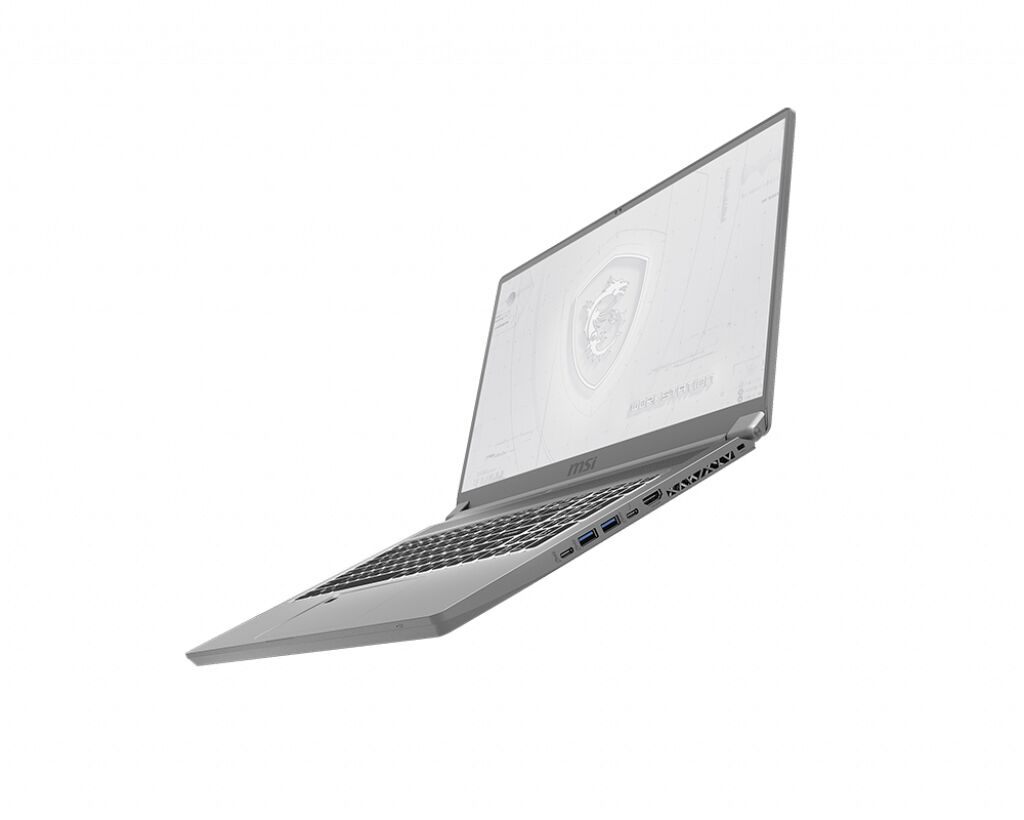

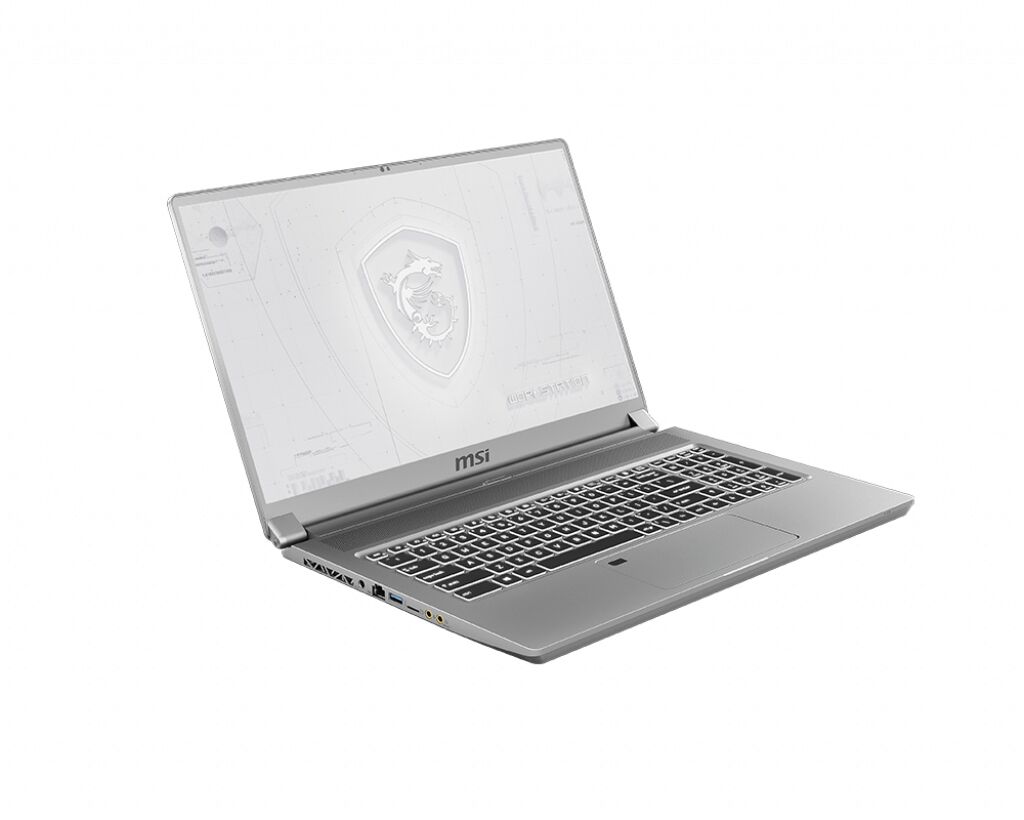
MSI WS75 10TL-1022FR workstation specifications indicate memory upgrade capacity of 64 GB maximum. The system features two SO-DIMM slots supporting DDR4-SDRAM modules operating at 2666 MHz frequency. Compatible RAM upgrades utilize SO-DIMM form factor specifications. Each slot accommodates individual memory modules, permitting sequential capacity expansion. Workstation-class designation reflects professional-grade RAM compatibility standards for the 10TL-1022FR model series.
Memory Upgrade Specifications
| Specification | Value |
|---|---|
| Memory slots | 2x SO-DIMM |
| Form factor | SO-DIMM |
| Memory type | DDR4-SDRAM |
| Frequency | 2666 MHz |
| Maximum RAM | 64 GB |
| Voltage | 1.2V |
| Number of pins | 260-pin |
| Interface | PC4 |
| PC Speed Rating | PC4-2666 (PC4-21328) |
| Bandwidth | 21.3 GB/s |
| Laptop Release date | 07 February 2021 |
Additional Notes
- The MSI Workstation 10TL-1022FR restricts memory upgrades to small outline dual inline memory modules rather than full-sized desktop DIMMs, requiring confirmation that replacement modules specify the 260-pin SO-DIMM connector standard.
- Populating both slots with matching capacity modules enables dual-channel memory operation, potentially doubling memory bandwidth compared to single-module configurations when the chipset supports interleaved access.
- The 2666 MHz frequency specification represents JEDEC standard DDR4-2666 timing, which corresponds to PC4-21300 module labeling and delivers theoretical peak bandwidth of 21.3 GB/s per channel.
- Installing modules rated above 2666 MHz will result in automatic downclocking to the supported frequency ceiling, as the memory controller enforces this limit regardless of module specifications.
- The 64 GB ceiling requires 2 modules of 32 GB each, a configuration that depends on availability of high-density SO-DIMM modules which became standardized later in the DDR4 lifecycle than lower capacities.
- Mixing modules with different speeds, timings, or manufacturers may force the system to operate at the lowest common denominator specifications or prevent POST completion entirely.
- Access to memory slots in compact workstation chassis typically requires partial disassembly including bottom panel removal, with potential implications for warranty seals depending on regional service policies.
- DDR4 operates at 1.2V standard voltage, meaning modules advertising XMP profiles with voltage requirements above this specification may introduce stability concerns if the BIOS lacks manual voltage controls.
- The SO-DIMM form factor generates higher thermal density than desktop equivalents when operating at capacity, potentially affecting sustained performance in thermally constrained chassis without adequate ventilation pathways.
- Error correction code memory remains physically compatible with SO-DIMM slots but provides no functional benefit without chipset-level ECC support, which workstation platforms may or may not implement depending on processor selection.