MSI Workstation 10TL-1003FR RAM upgrade specifications
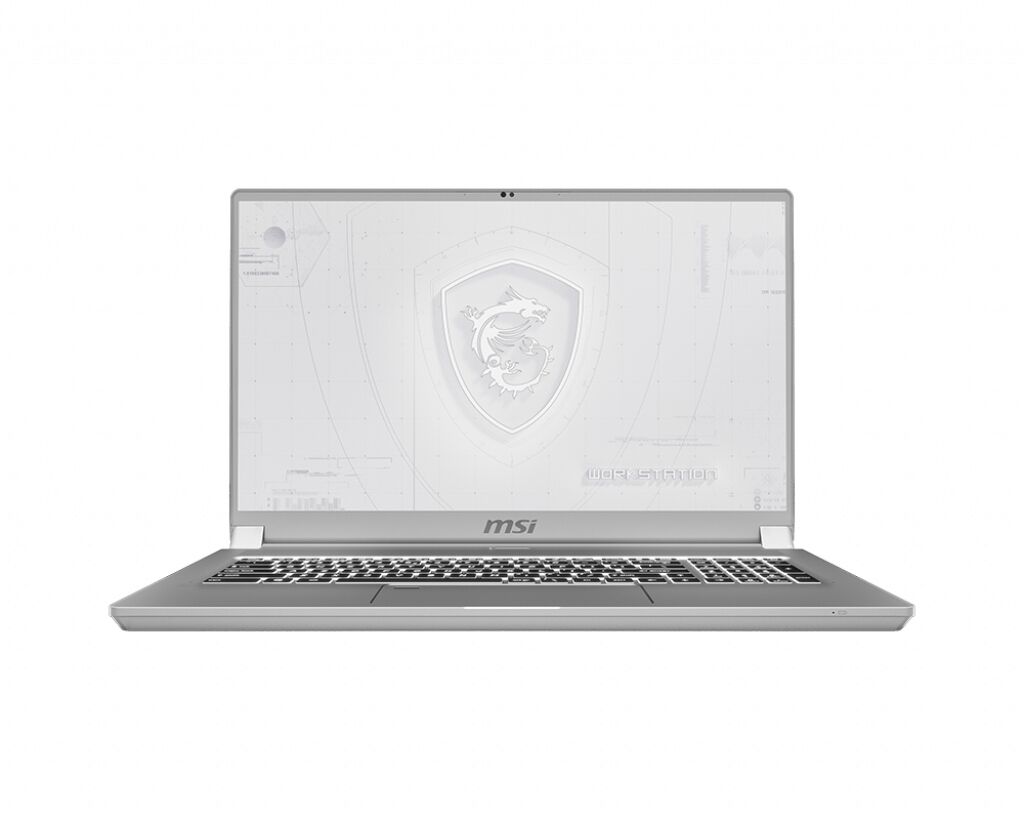

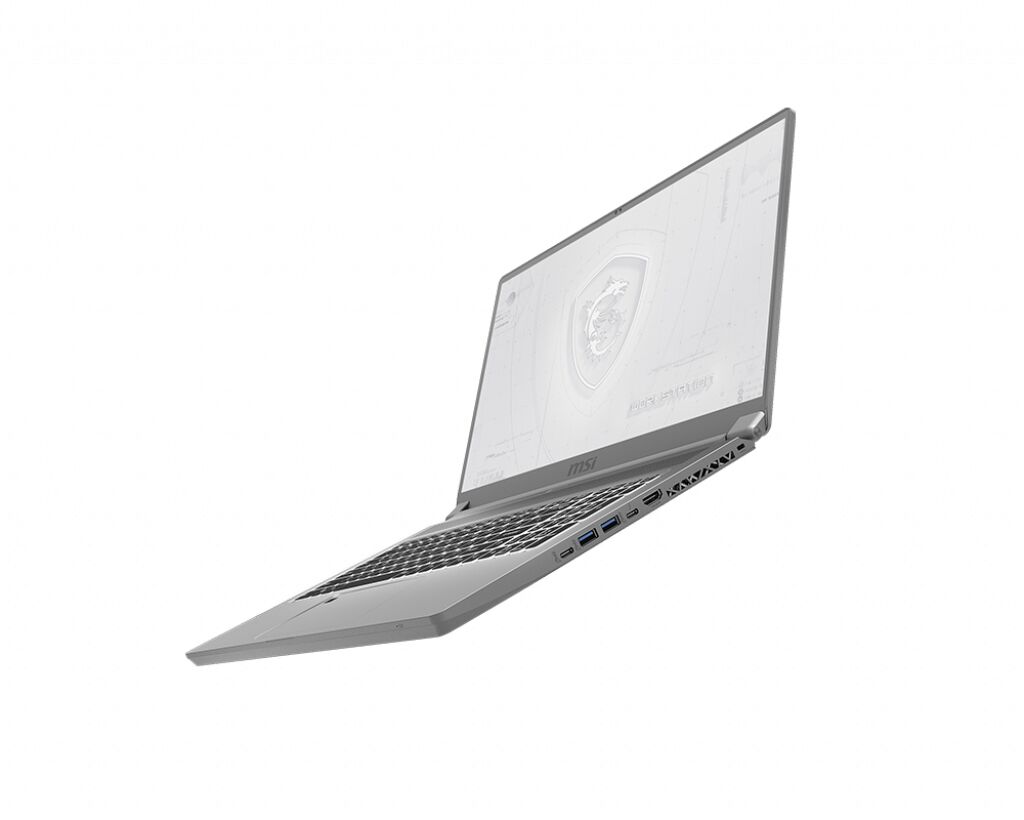

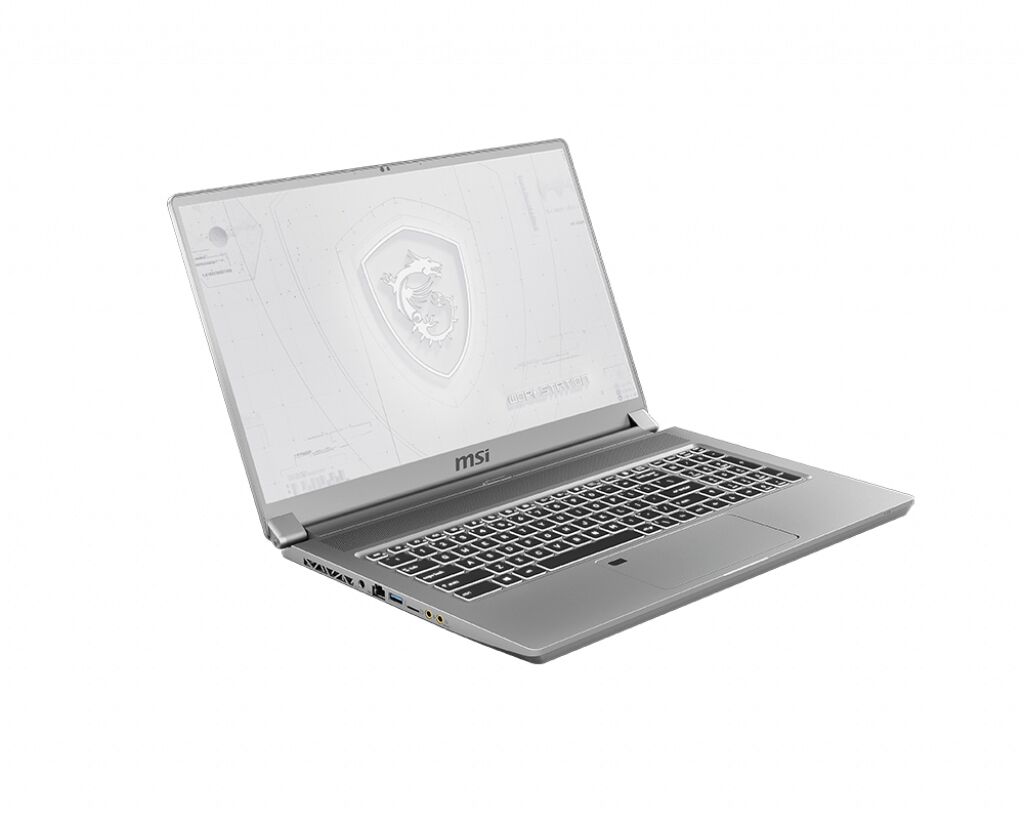
The MSI WS75 10TL-1003FR workstation features two SO-DIMM slots supporting DDR4-SDRAM memory upgrades. Maximum RAM capacity reaches 64 GB with compatible modules operating at 2666 MHz frequency. Memory upgrade specifications indicate compatibility with SO-DIMM form factor modules. The workstation supports memory expansion through accessible upgrade slots, enabling increased system capacity for professional computing tasks and enhanced multitasking performance on the MSI Workstation family model.
Memory Upgrade Specifications
| Specification | Value |
|---|---|
| Memory slots | 2x SO-DIMM |
| Form factor | SO-DIMM |
| Memory type | DDR4-SDRAM |
| Frequency | 2666 MHz |
| Maximum RAM | 64 GB |
| Voltage | 1.2V |
| Number of pins | 260-pin |
| Interface | PC4 |
| PC Speed Rating | PC4-2666 (PC4-21328) |
| Bandwidth | 21.3 GB/s |
| Laptop Release date | 19 December 2020 |
Additional Notes
- DDR4-SDRAM at 2666 MHz operates below current standard frequencies (3200 MHz and higher), creating potential performance overhead when paired with newer storage or GPU acceleration workflows typical in workstation applications.
- The 2 SO-DIMM slot configuration on the MSI Workstation 10TL-1003FR permits maximum capacity of 64 GB total, requiring dual 32 GB modules for full utilization; single-module upgrades leave substantial headroom but reduce dual-channel memory bandwidth benefits.
- SO-DIMM physical constraints restrict upgrade options to laptop-grade memory modules; desktop DDR4 UDIMM sticks cannot be mechanically installed, eliminating cost advantages of surplus enterprise inventory.
- Warranty coverage typically remains intact for SO-DIMM replacement since this form factor represents a user-serviceable component in most manufacturer policies; adhesive-sealed memory compartments would require verification against specific MSI documentation.
- Asymmetric memory population (one 32 GB and one 16 GB module, for example) forces the system to operate both channels at the speed of the slower module, negating any bandwidth advantage from mixed-capacity configurations.
- The 2666 MHz specification may indicate first-generation or legacy Xeon processor compatibility; contemporaneous workstation platforms often support 3200 MHz or DDR4 ECCregistered memory, suggesting this model operates outside current generational standards.