MSI Workstation WS75 9TJ-007FR RAM upgrade specifications


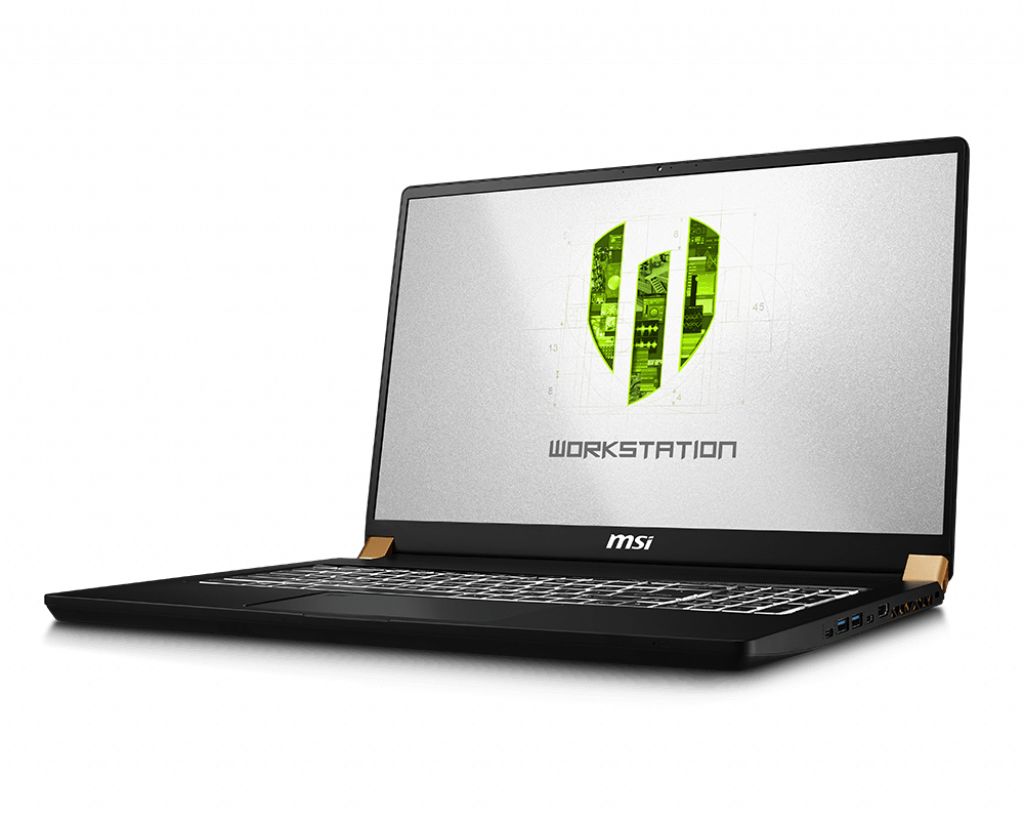
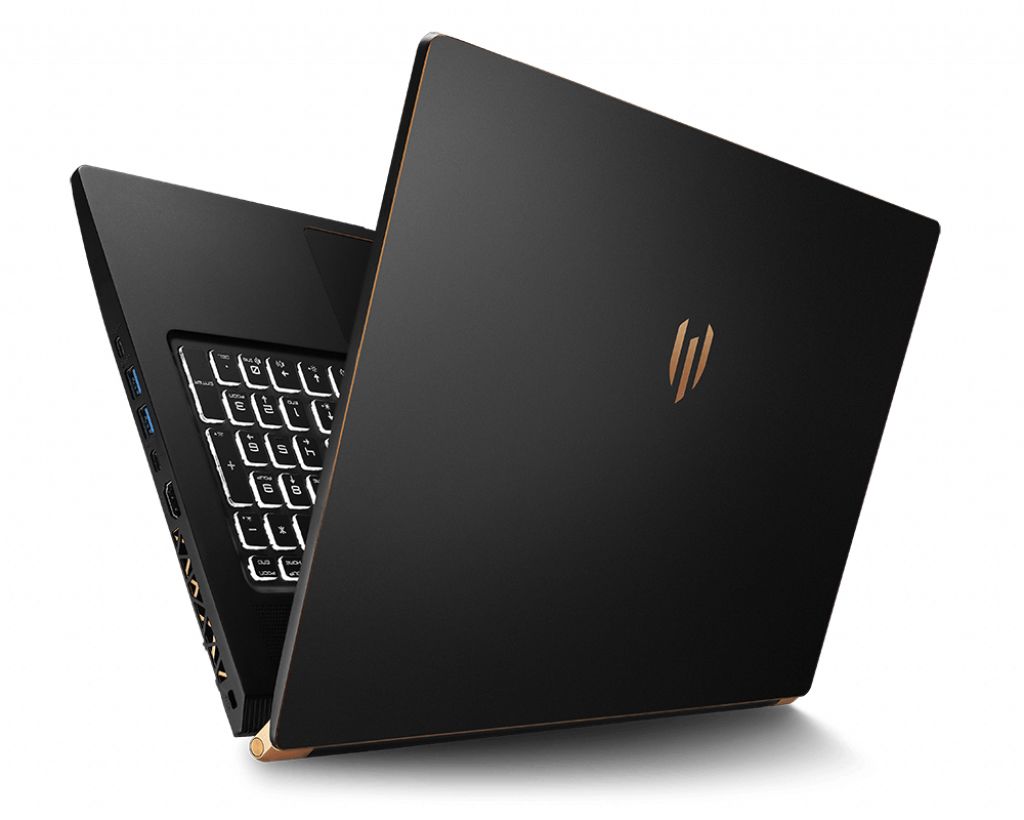

The MSI WS75 9TJ-007FR workstation series features DDR4-SDRAM memory upgrade specifications with two SO-DIMM slots supporting a maximum capacity of 64 GB. Compatible memory operates at 2666 MHz frequency. Upgrade options utilize SO-DIMM form factor modules. Specifications enable users to expand existing memory configurations on the WS75 9TJ-007FR model to meet workstation-level performance requirements.
Memory Upgrade Specifications
| Specification | Value |
|---|---|
| Memory slots | 2x SO-DIMM |
| Form factor | SO-DIMM |
| Memory type | DDR4-SDRAM |
| Frequency | 2666 MHz |
| Maximum RAM | 64 GB |
| Voltage | 1.2V |
| Number of pins | 260-pin |
| Interface | PC4 |
| PC Speed Rating | PC4-2666 (PC4-21328) |
| Bandwidth | 21.3 GB/s |
| Laptop Release date | 24 September 2019 |
Additional Notes
- The MSI WS75 9TJ-007FR workstation supports dual-channel memory architecture, enabling theoretical bandwidth of up to 42.6 GB/s when both SO-DIMM slots are populated with matched modules.
- Memory expansion requires physically accessible slots on the motherboard, typically located beneath a removable service panel or requiring partial disassembly of the bottom chassis.
- Upgrading to the 64 GB maximum capacity necessitates replacing existing modules with 32 GB SO-DIMMs rather than adding to smaller installed modules, as only 2 physical slots are available.
- The 2666 MHz frequency indicates DDR4-2666 specification compatibility, which operates at PC4-21300 standard with CAS latencies typically ranging from CL17 to CL19 depending on module quality.
- Modules running at higher native speeds such as 3000 MHz or 3200 MHz will downclock to 2666 MHz when installed, as the memory controller enforces this frequency ceiling.
- Single-rank versus dual-rank module selection affects memory interleaving performance, with dual-rank configurations potentially offering marginal bandwidth improvements in memory-intensive workloads.
- ECC memory modules are physically incompatible with this non-ECC architecture, despite using the same SO-DIMM form factor, due to different electrical specifications and chipset requirements.
- Voltage specification is standardized at 1.2V for DDR4 modules, though low-voltage variants at 1.05V may exist but are not typically required for this platform.
- Module height restrictions typical of laptop designs limit compatibility to standard SO-DIMM profiles, excluding server-grade modules with additional heat spreaders or taller component configurations.
- Mixed-capacity configurations such as pairing 8 GB with 16 GB modules will function but disable symmetric dual-channel operation for the unpaired portion, reducing theoretical bandwidth for that segment of total memory.