MSI Workstation WS75 9TJ-005CA RAM upgrade specifications
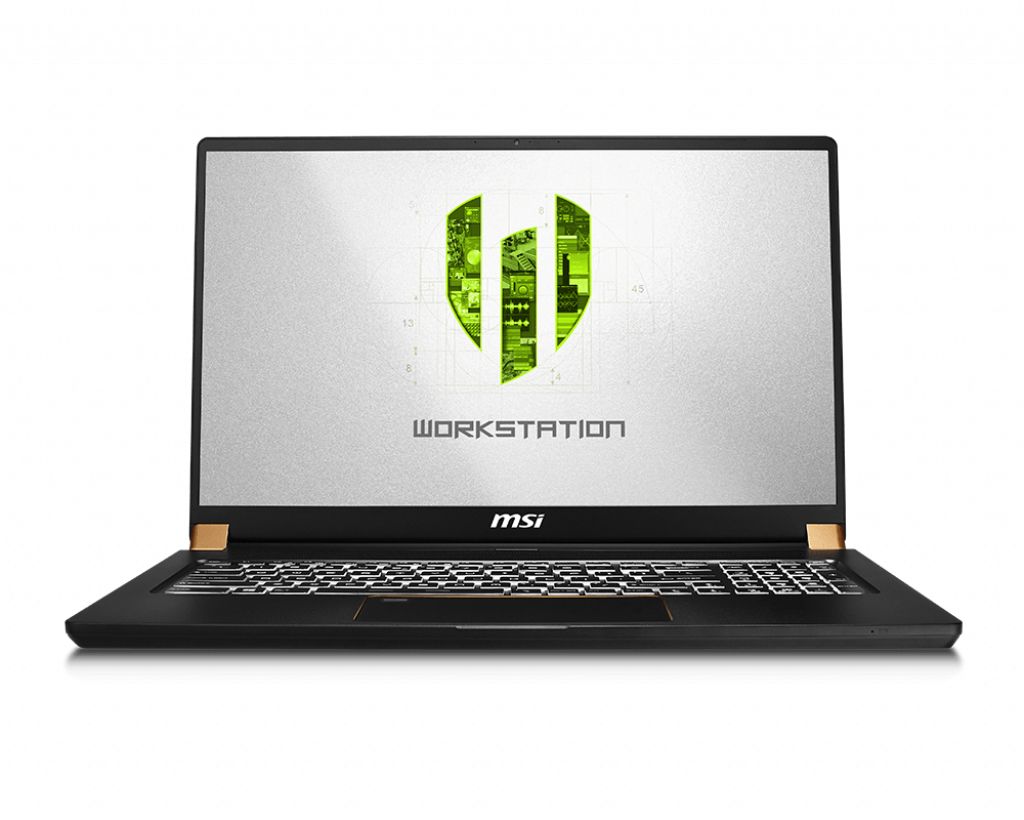
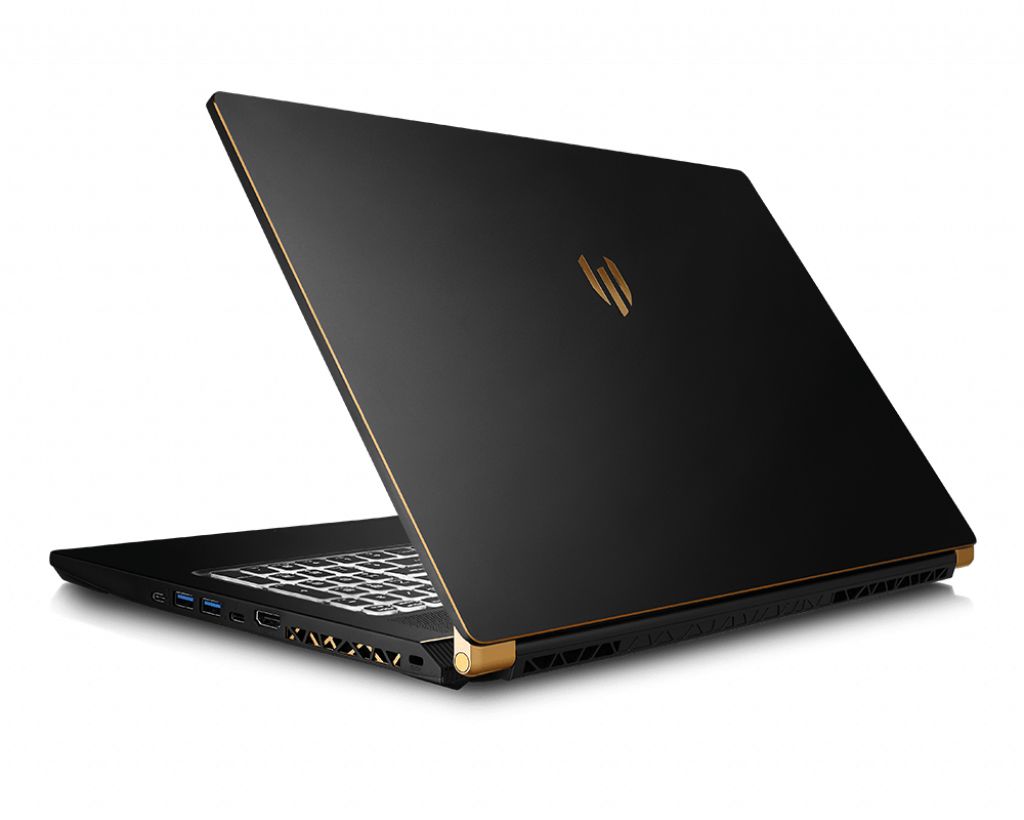
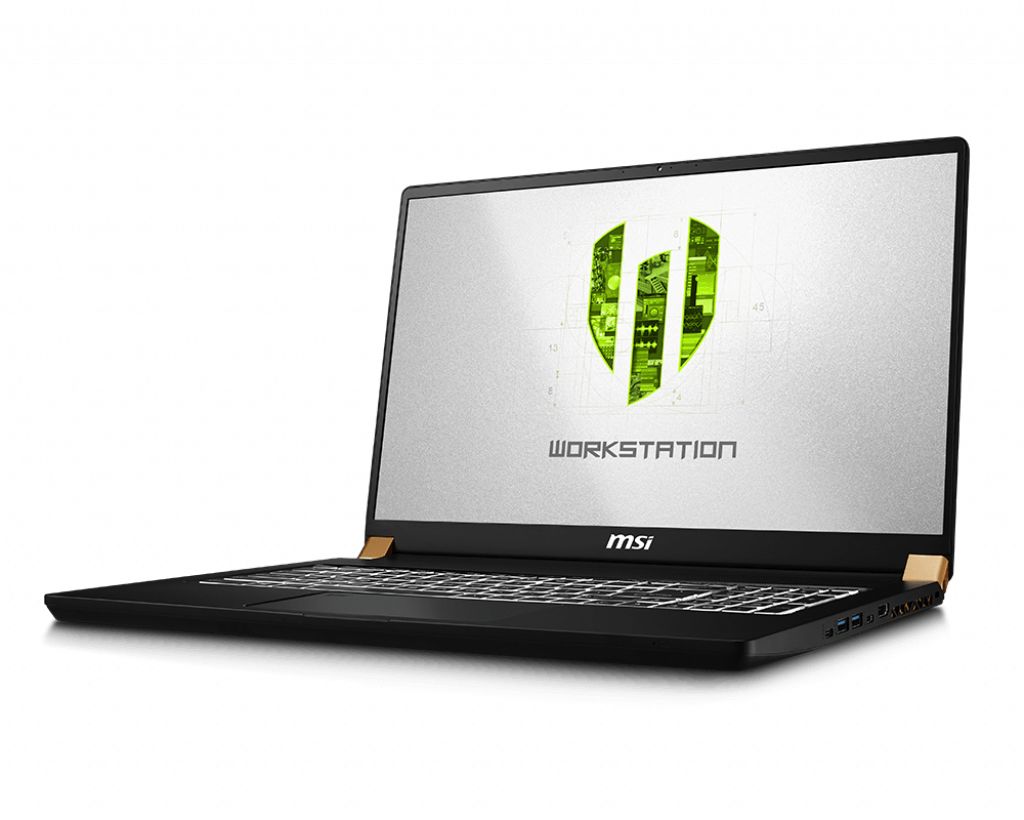
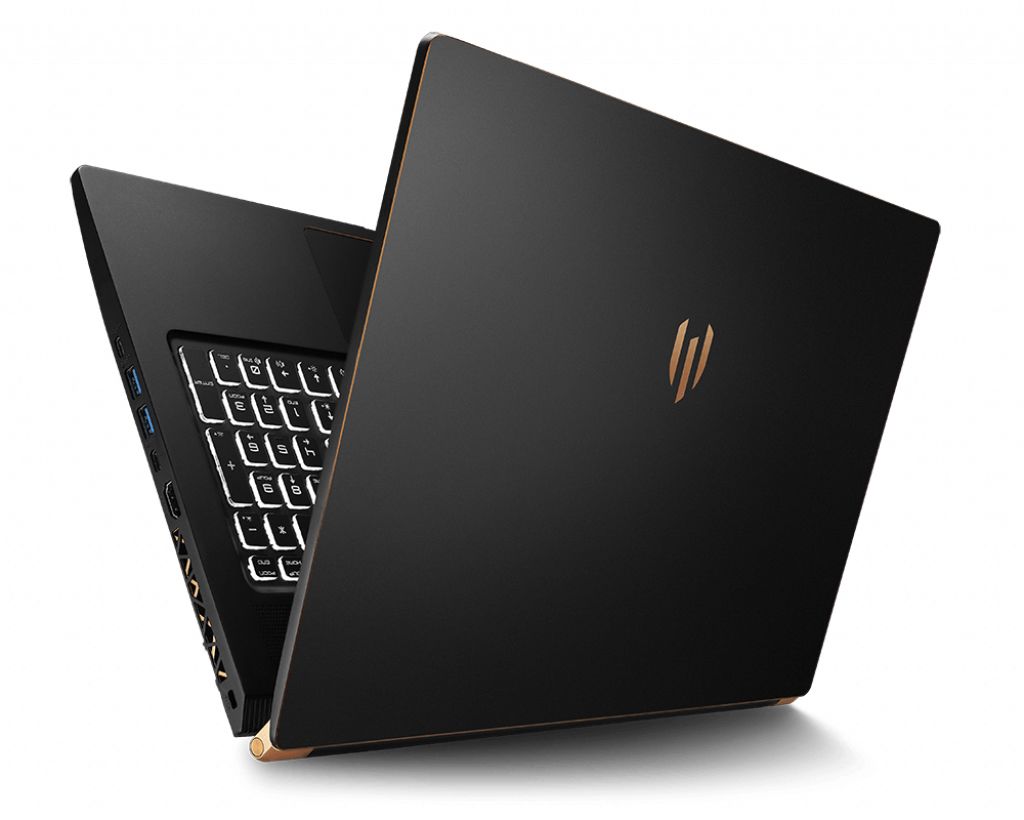
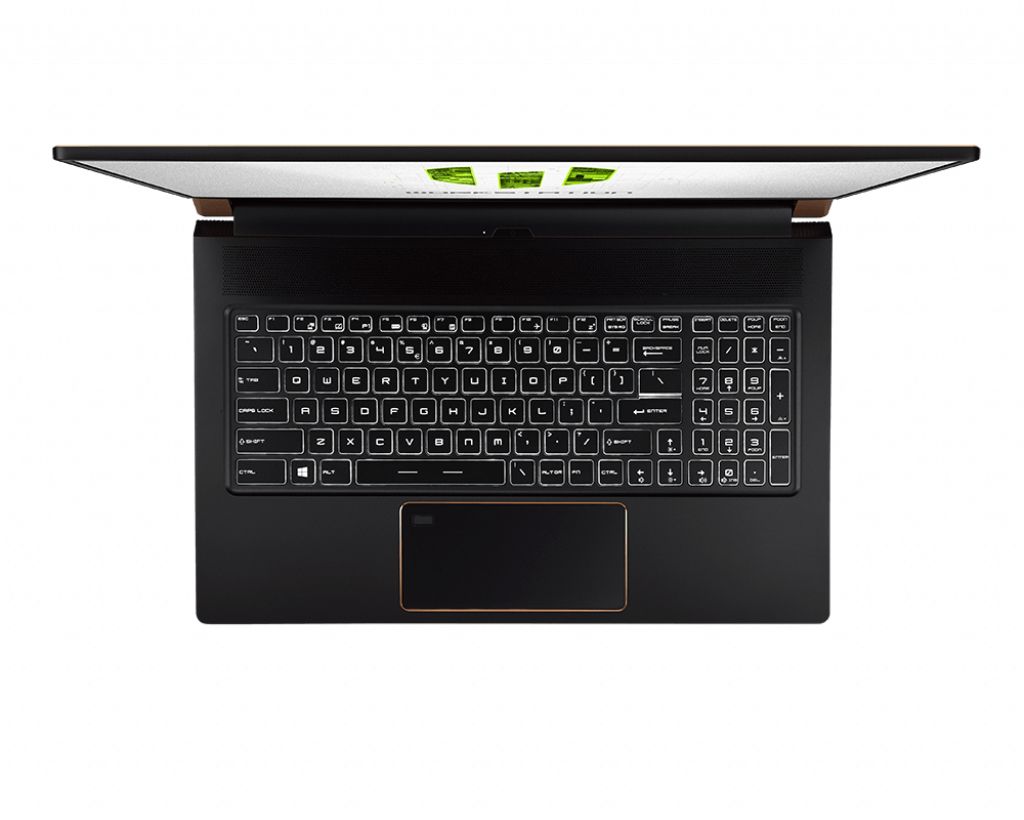
The MSI WS75 9TJ-005CA workstation features DDR4-SDRAM memory upgrade capabilities. The laptop contains 2x SO-DIMM slots supporting a maximum RAM capacity of 64 GB. Compatible memory modules operate at 2666 MHz frequency and utilize the SO-DIMM form factor. Specifications indicate support for DDR4 technology, enabling users to expand the system's memory capacity according to workstation performance requirements.
Memory Upgrade Specifications
| Specification | Value |
|---|---|
| Memory slots | 2x SO-DIMM |
| Form factor | SO-DIMM |
| Memory type | DDR4-SDRAM |
| Frequency | 2666 MHz |
| Maximum RAM | 64 GB |
| Voltage | 1.2V |
| Number of pins | 260-pin |
| Interface | PC4 |
| PC Speed Rating | PC4-2666 (PC4-21328) |
| Bandwidth | 21.3 GB/s |
| Laptop Release date | 25 November 2019 |
Additional Notes
- The 2666 MHz frequency ceiling reflects Intel 9th generation mobile processor specifications, which officially support DDR4-2666 as the highest JEDEC standard speed without overclocking.
- The 64 GB maximum capacity requires two 32 GB modules, a density that became widely available only after this workstation's release and may exhibit compatibility variations across module manufacturers.
- Dual-channel operation depends on populating both slots with identical specifications, as asymmetric configurations will either force single-channel mode or prevent POST completion.
- SO-DIMM modules exceeding 1.2V standard voltage may trigger thermal throttling in the confined chassis, particularly under sustained workloads that stress both CPU and memory subsystems simultaneously.
- The absence of ECC support in consumer DDR4-SDRAM prevents error correction, making this configuration unsuitable for applications requiring memory integrity verification during extended computational tasks.
- Mixed-density configurations combining different capacity modules will function but sacrifice bandwidth optimization, as the memory controller defaults to the lowest common timing denominator across both channels.
- Warranty preservation requires avoiding chassis disassembly beyond manufacturer-designated user-serviceable access points, as bottom panel removal for memory access may void coverage depending on regional service policies.
- Third-party modules lacking XMP 2.0 profiles will default to JEDEC standard timings, typically CL19 at 2666 MHz, which increases latency compared to optimized CL17 or CL16 variants.
- The workstation's thermal design prioritizes GPU cooling, potentially causing memory temperatures to rise above optimal thresholds when both slots operate at maximum capacity during parallel rendering operations.