MSI Workstation WT75 8SK-007 RAM upgrade specifications
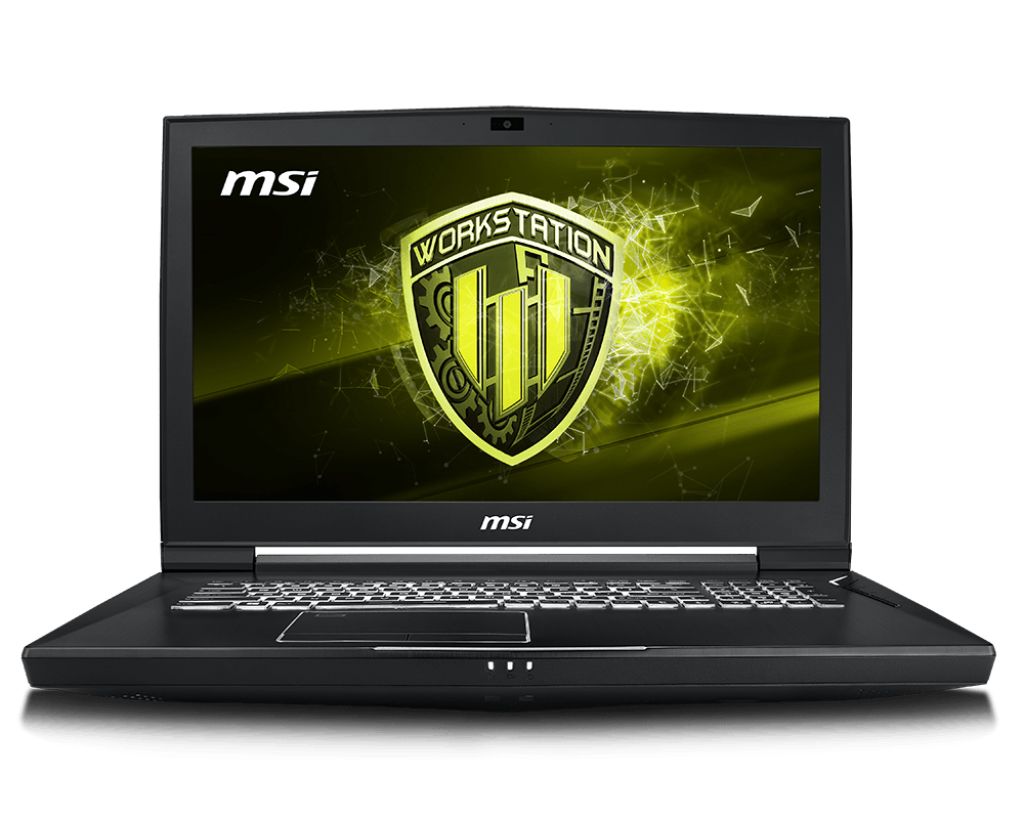
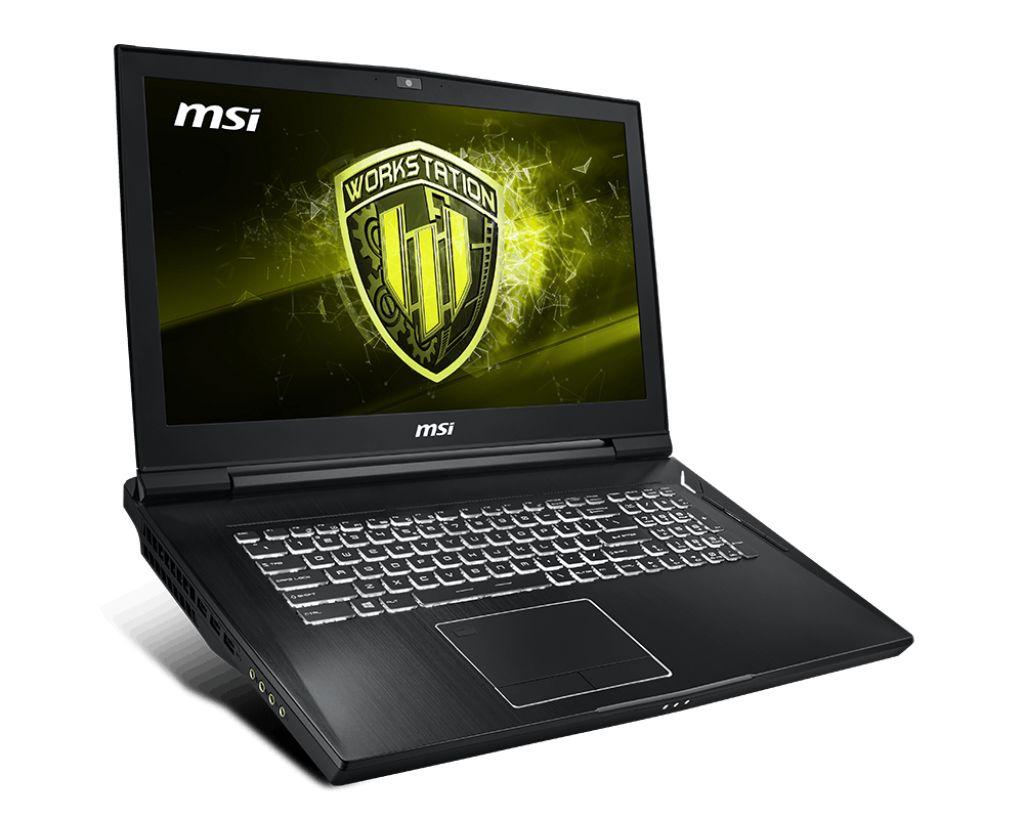
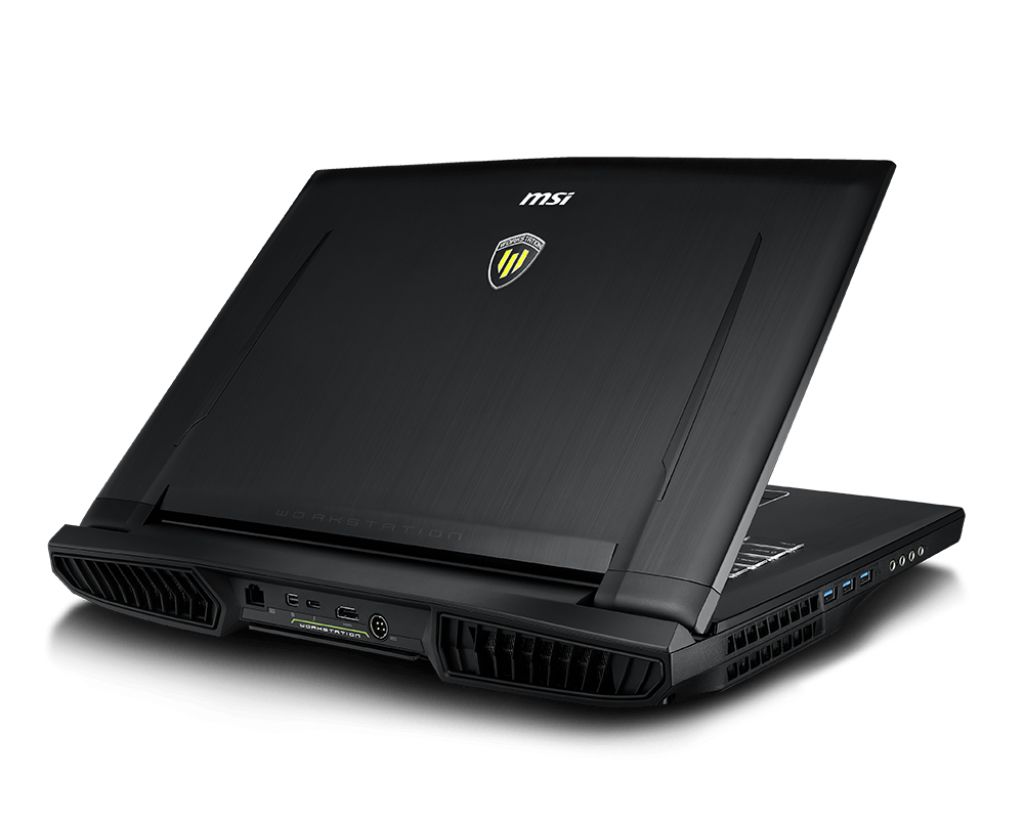


The MSI WT75 8SK-007 workstation features DDR4-SDRAM memory upgrade capabilities with four SO-DIMM slots supporting a maximum RAM capacity of 128 GB. Compatible memory modules operate at 2400 MHz frequency. The upgrade specifications for the WT75 series accommodate modular memory expansion through SO-DIMM form factor slots, enabling configuration of the workstation to support demanding computational tasks and multitasking operations.
Memory Upgrade Specifications
| Specification | Value |
|---|---|
| Memory slots | 4x SO-DIMM |
| Form factor | SO-DIMM |
| Memory type | DDR4-SDRAM |
| Frequency | 2400 MHz |
| Maximum RAM | 128 GB |
| Voltage | 1.2V |
| Number of pins | 260-pin |
| Interface | PC4 |
| PC Speed Rating | PC4-2400 (PC4-19200) |
| Bandwidth | 19.2 GB/s |
| Laptop Release date | 30 June 2018 |
Additional Notes
- The MSI WT75 8SK-007 workstation contains 4 SO-DIMM slots supporting up to 128 GB total capacity, meaning maximum single-module density reaches 32 GB per slot.
- DDR4-2400 MHz represents the native supported frequency, which is substantially lower than contemporary DDR4 standards (3200 MHz or higher). Modules rated above 2400 MHz will downclock to specification, resulting in no performance gain from premium memory pricing.
- SO-DIMM form factor restricts upgrades to laptop-class memory modules. Desktop DDR4 UDIMM modules are physically incompatible and will not seat in the 4 available slots, eliminating access to lower-cost desktop inventory.
- Filling all 4 slots with 32 GB modules requires SO-DIMM memory availability at that capacity tier, which carries significant cost premiums and may present supply constraints depending on sourcing timeframe.
- The 8-series chipset generation suggests single-channel vs. dual-channel population affects performance scaling. Installing matching pairs in slots 1/3 and 2/4 (if applicable to motherboard layout) optimizes memory bandwidth relative to asymmetrical population.
- Factory specifications do not indicate ECC support status. If non-ECC modules are installed in a configuration the BIOS expects as ECC, or vice versa, the system may fail to POST or operate unreliably despite technical compatibility.
- Workstation-class thermal design typically allows extended operation at full capacity. However, SO-DIMM slots positioned near high-heat components (CPU, discrete GPU) may require heatspreader-equipped modules to prevent thermal throttling of the memory controller during sustained workloads.