MSI Workstation WT75 8SK-004ES RAM upgrade specifications
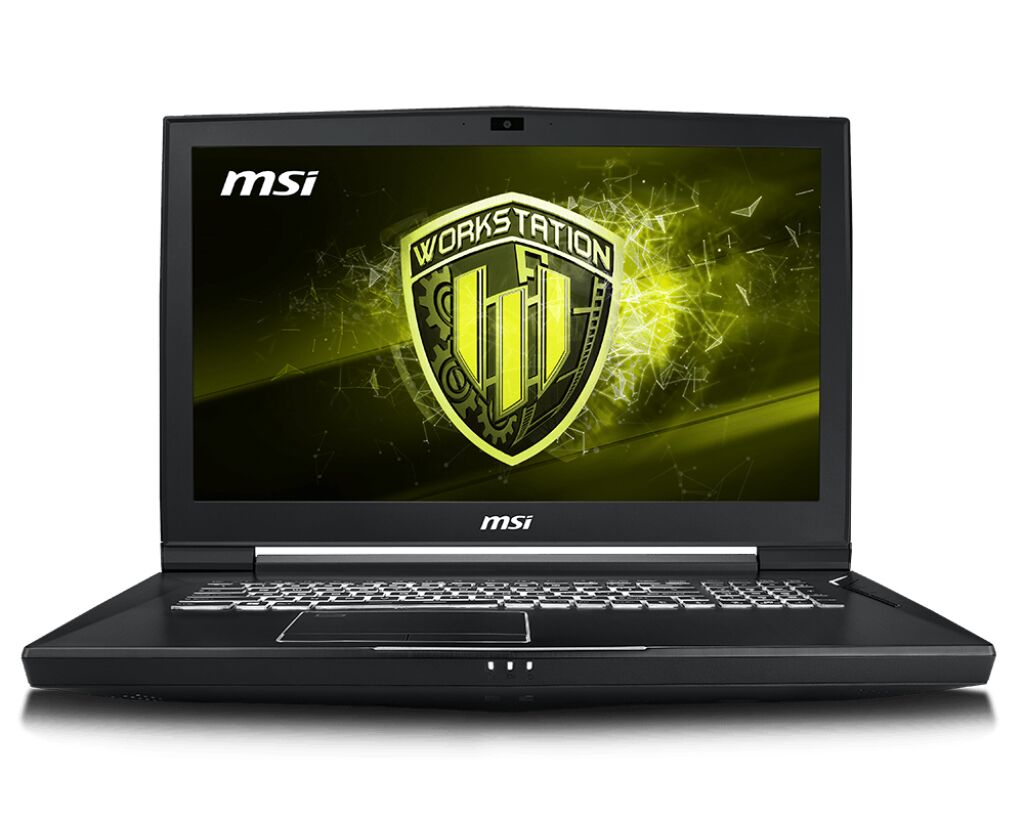
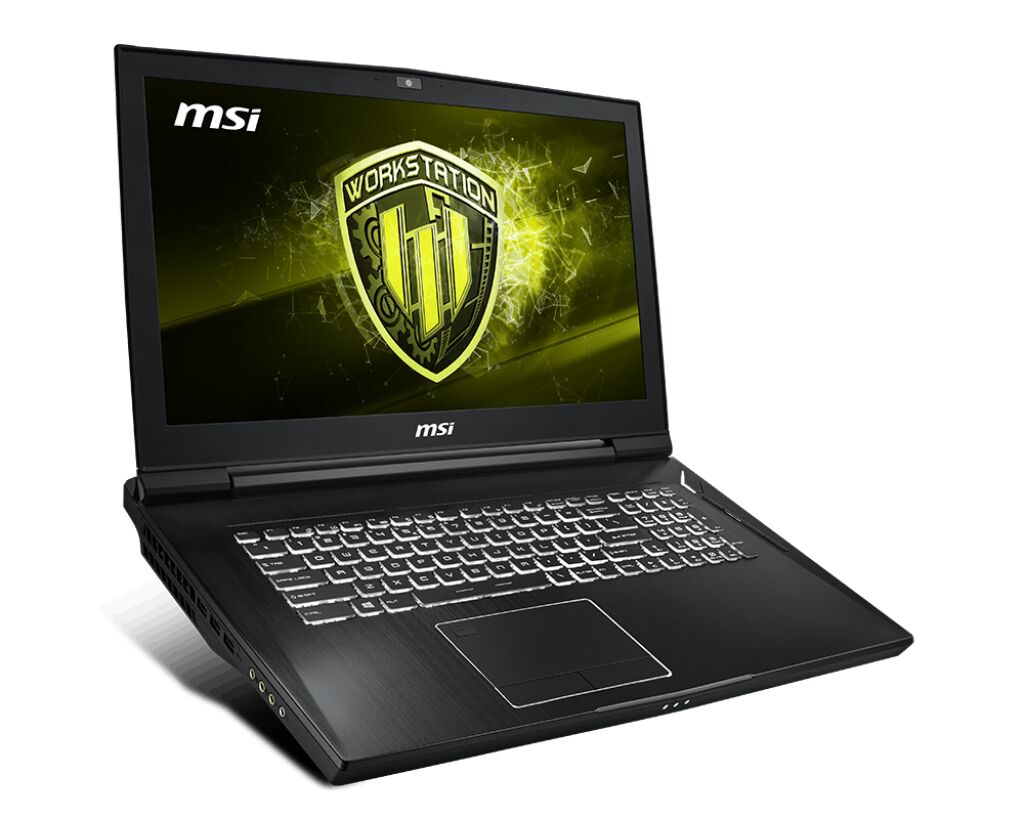
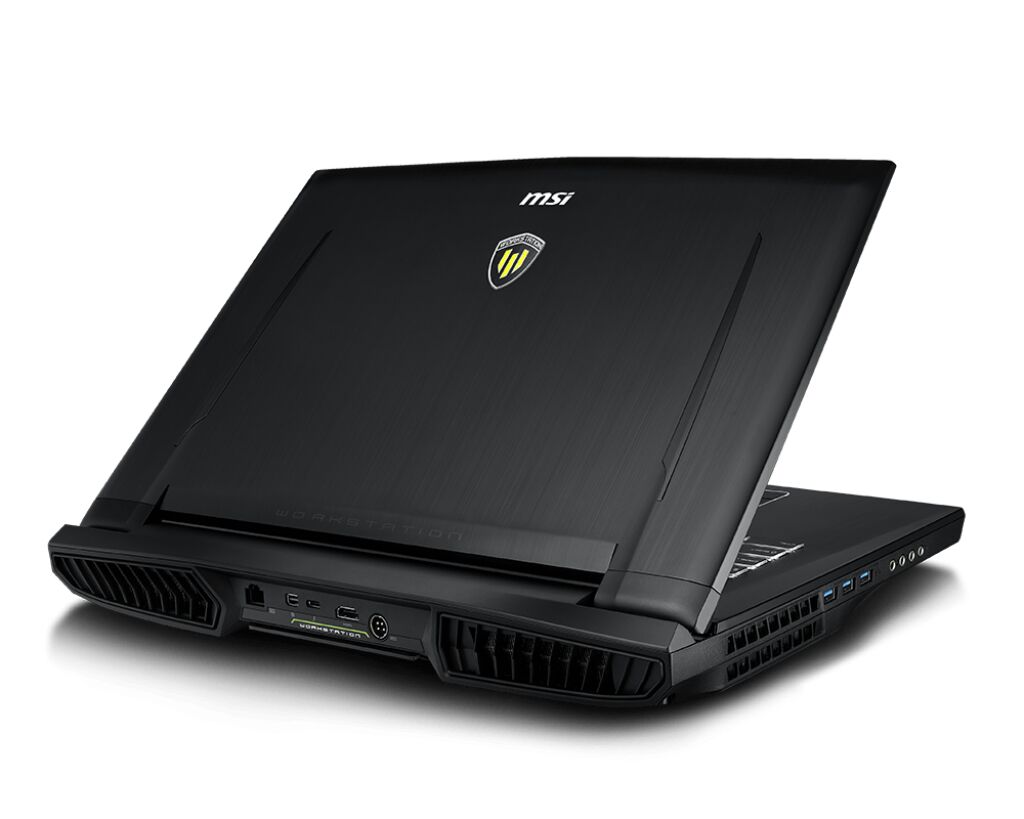
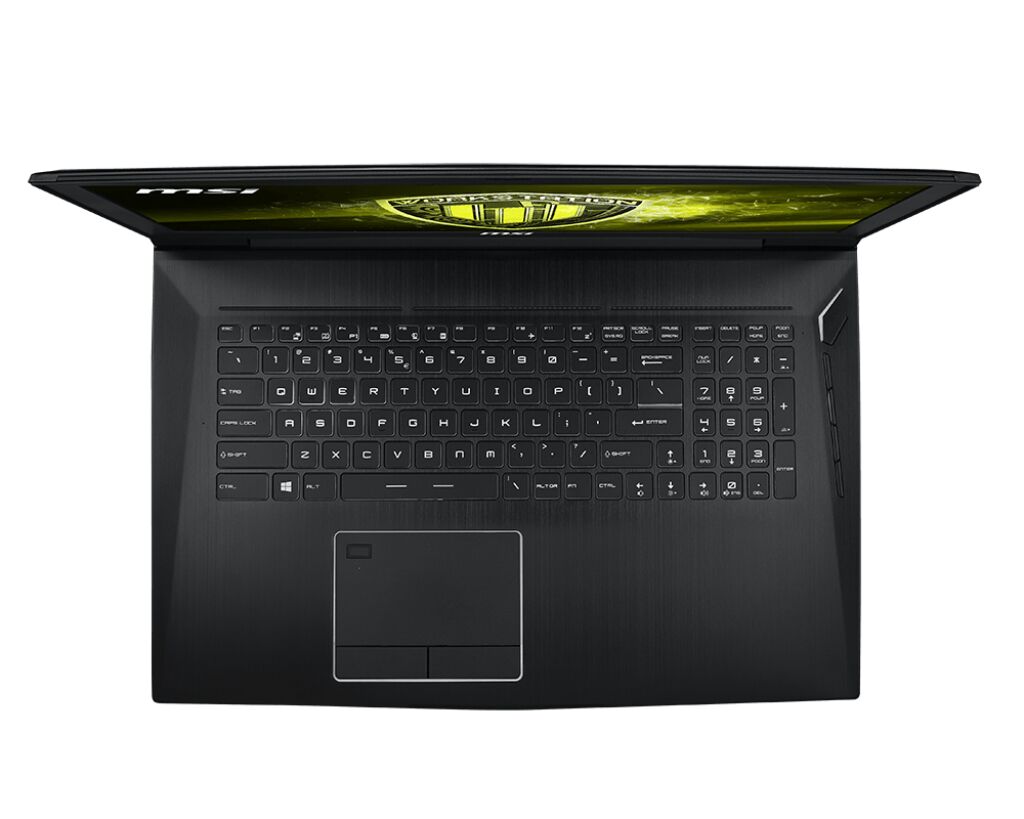
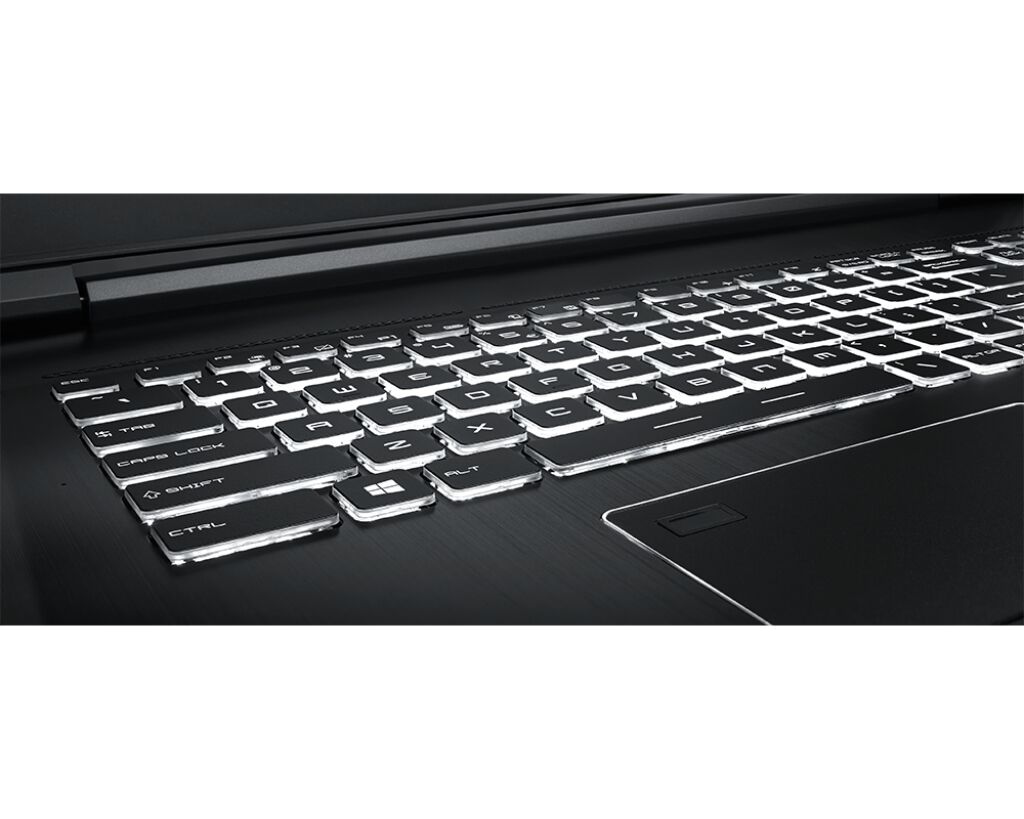
The MSI WT75 8SK-004ES Workstation Series laptop features four SO-DIMM memory slots supporting DDR4-SDRAM specifications. The maximum RAM capacity reaches 128 GB total, compatible with 2400 MHz frequency modules. The upgrade specifications accommodate SO-DIMM form factor memory modules, enabling users to expand the laptop's memory configuration from its stock capacity. Standard DDR4 memory upgrades are compatible with this workstation model's memory architecture.
Memory Upgrade Specifications
| Specification | Value |
|---|---|
| Memory slots | 4x SO-DIMM |
| Form factor | SO-DIMM |
| Memory type | DDR4-SDRAM |
| Frequency | 2400 MHz |
| Maximum RAM | 128 GB |
| Voltage | 1.2V |
| Number of pins | 260-pin |
| Interface | PC4 |
| PC Speed Rating | PC4-2400 (PC4-19200) |
| Bandwidth | 19.2 GB/s |
| Laptop Release date | 30 June 2018 |
Additional Notes
- The presence of 4 SO-DIMM slots implies a dual-channel memory architecture where modules must be installed in matched pairs to ensure optimal bandwidth across all memory controllers.
- Reaching the maximum capacity of 128 GB requires the use of high-density 32 GB modules which may necessitate a BIOS update to ensure full stability and recognition of the increased density.
- The MSI WT75 8SK-004ES relies on a 2400 MHz bus speed which acts as a hard frequency ceiling meaning faster modules will automatically downclock to match the slowest installed stick or the motherboard limit.
- Physical access to all 4 slots often involves removing the keyboard and the bottom chassis cover because high-performance workstations typically stack slots on both sides of the motherboard.
- Mixing modules with different CAS latencies or voltages will force the system to default to the highest latency timings which can lead to increased memory access delays during rendering tasks.
- Total system power consumption increases slightly when all 4 slots are occupied which may lead to higher localized thermal output near the memory banks under heavy computational loads.
- Upgrading to the maximum memory threshold provides significant overhead for large-scale CAD assemblies and 4K video datasets without triggering virtual memory paging on the storage drive.