MSI Workstation WT72 6QJ-421FR RAM upgrade specifications
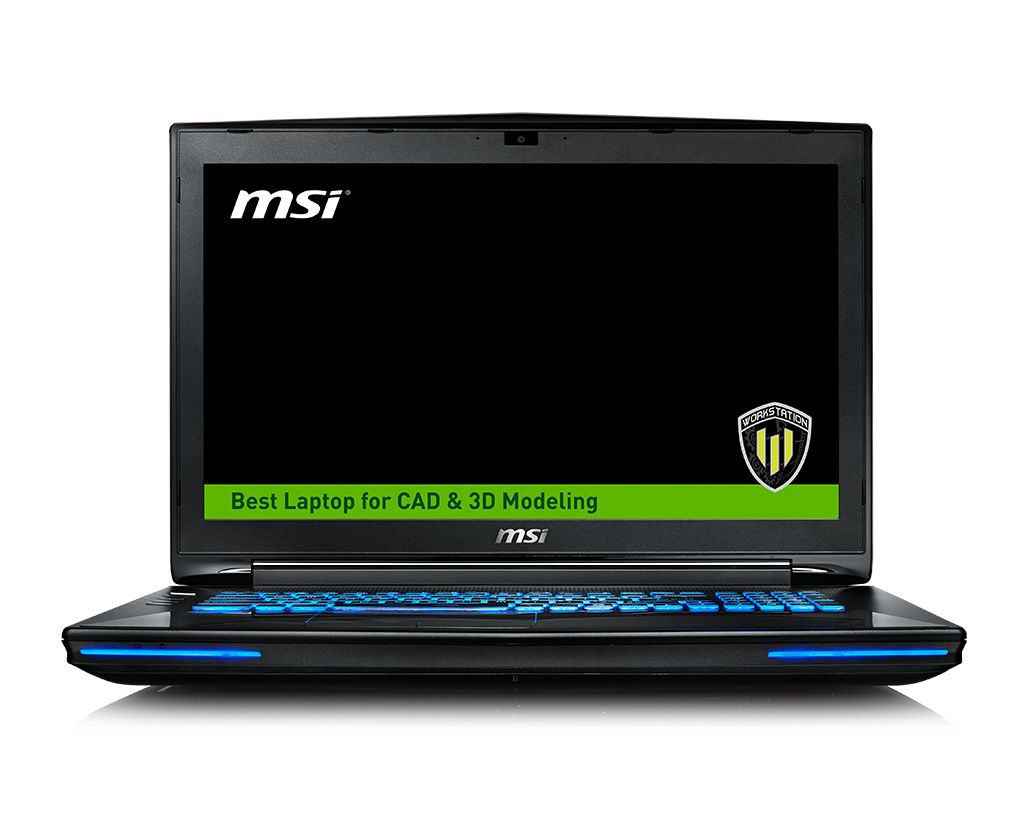
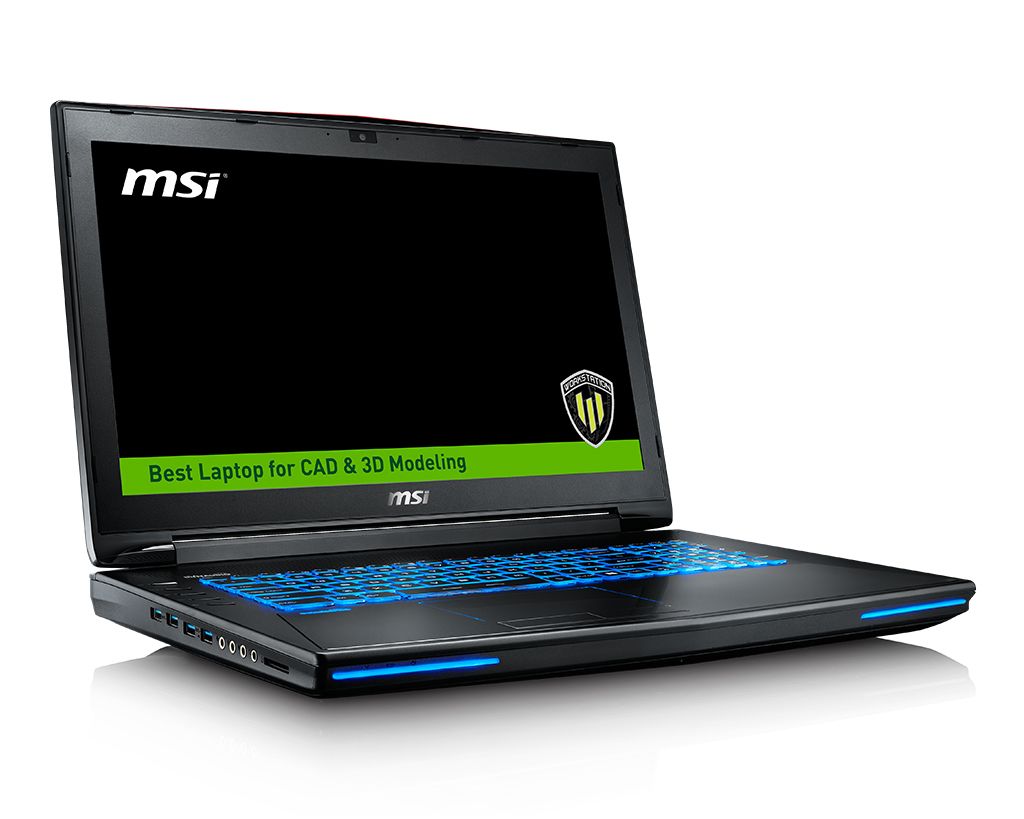
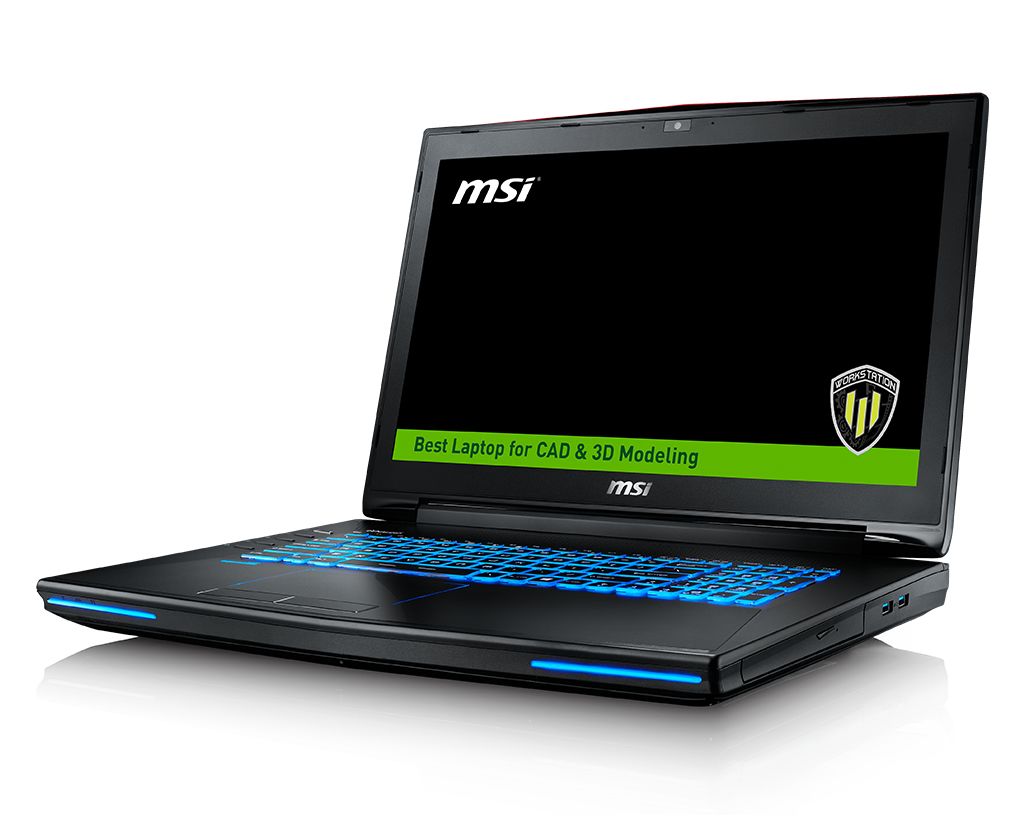
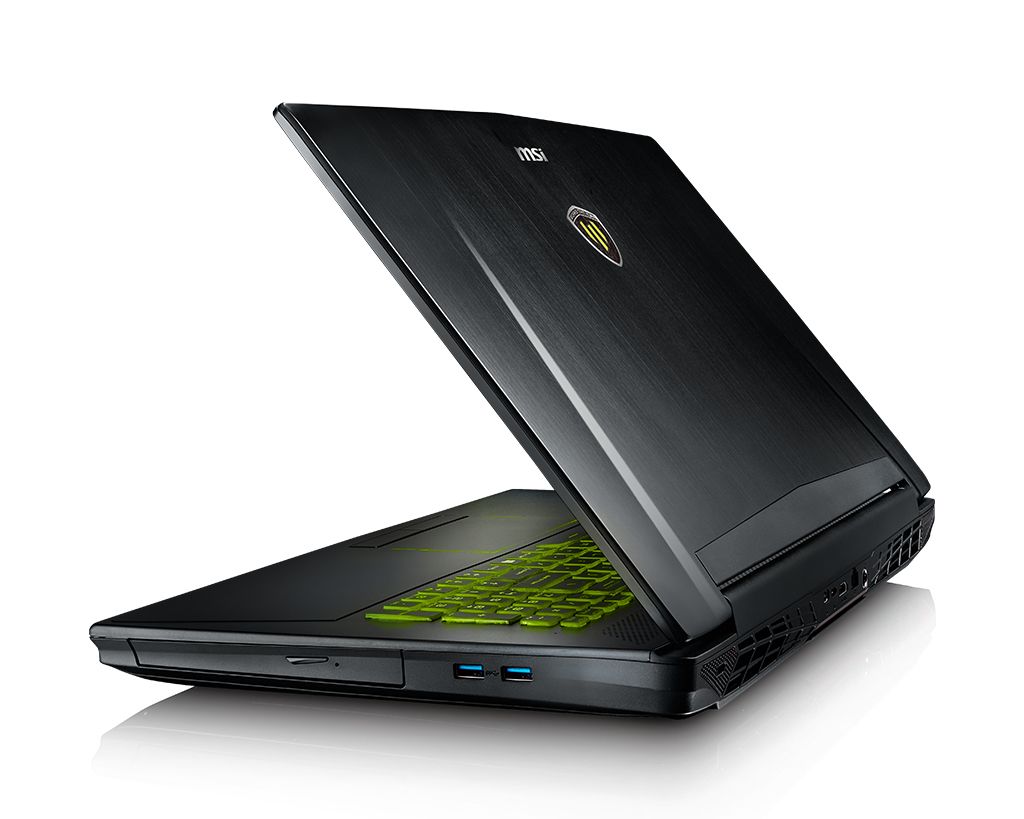
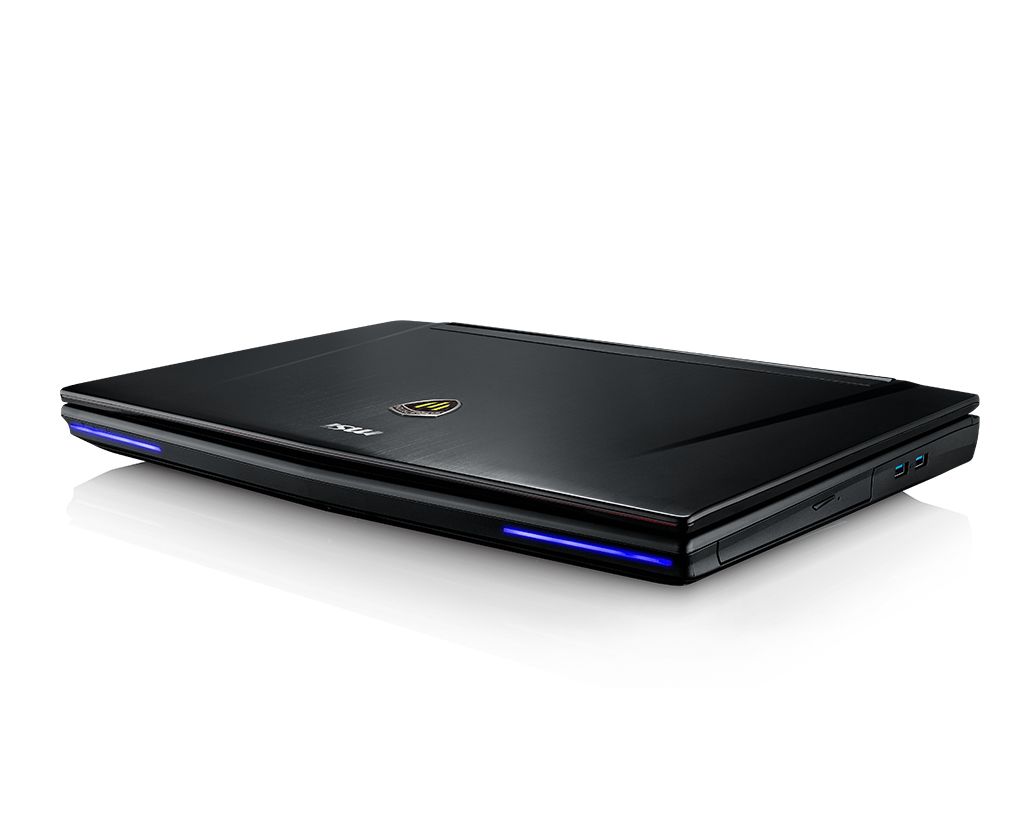
MSI WT72 6QJ-421FR workstation features four SO-DIMM slots supporting DDR4-SDRAM memory upgrades. Maximum RAM capacity reaches 64 GB with DDR4-2133 MHz specifications. Compatible memory modules utilize SO-DIMM form factor. Current memory configuration allows expansion through available upgrade slots. Specifications indicate this workstation model supports standard DDR4 memory upgrades meeting MSI WT72 series compatibility requirements.
Memory Upgrade Specifications
| Specification | Value |
|---|---|
| Memory slots | 4x SO-DIMM |
| Form factor | SO-DIMM |
| Memory type | DDR4-SDRAM |
| Frequency | 2133 MHz |
| Maximum RAM | 64 GB |
| Voltage | 1.2V |
| Number of pins | 260-pin |
| Interface | PC4 |
| PC Speed Rating | PC4-2133 (PC4-17064) |
| Bandwidth | 17.1 GB/s |
| Laptop Release date | 28 November 2015 |
Additional Notes
- The MSI WT72 workstation uses DDR4 SO-DIMM modules operating at 2133 MHz, a conservative speed for DDR4 that limits bandwidth to 17.1 GB/s per channel compared to modern DDR4-3200 specifications achieving 25.6 GB/s.
- SO-DIMM form factor installation requires removal of base panel access covers and positioning modules at 45-degree angles before vertical seating, creating physical constraints for upgrade in confined spaces or near thermal elements.
- The 4-slot architecture supports maximum density of 64 GB total capacity, achievable through 4x 16 GB modules; this ceiling restricts workloads involving large dataset processing, virtual machine hosting, or memory-intensive computational tasks typical in engineering workflows.
- Warranty-safe upgrades require modules matching DDR4-2133 specification exactly; higher frequency modules will either downclock to 2133 MHz or trigger BIOS compatibility warnings, while lower frequency modules may not initialize properly due to strict memory controller implementation.
- Bank population flexibility exists across 4 independent slots, enabling staged capacity expansion without full replacement; however, dual-channel performance requires symmetrical population (pairs in slots 0/1 and 2/3 for optimal memory controller addressing).
- The 2133 MHz frequency generates approximately 8.5 watts thermal dissipation per 8 GB module under sustained load, requiring adequate circulation around SODIMM slots to prevent throttling during long rendering or simulation sessions typical of workstation deployment.