ACER Aspire A114-33-C28D RAM upgrade specifications
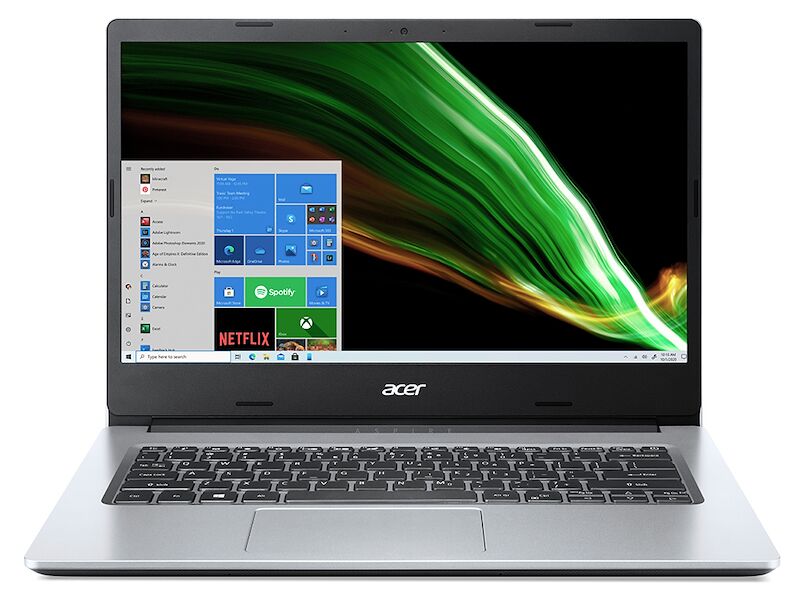

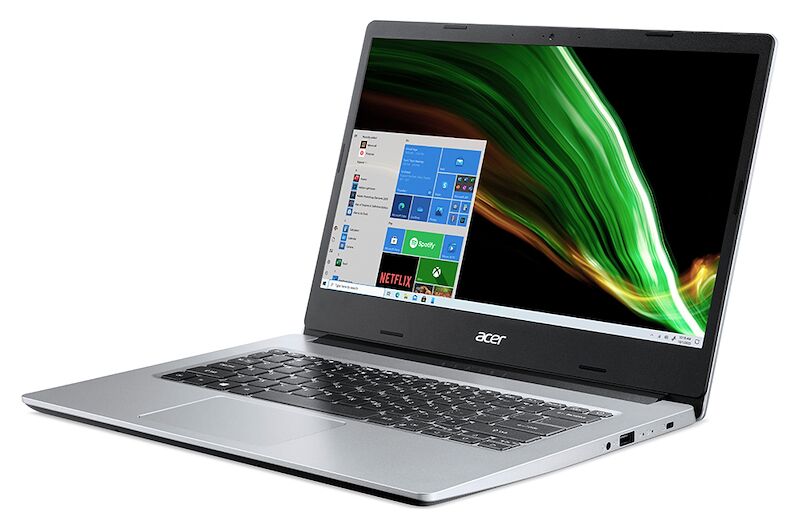


ACER Aspire Series 1 model A114-33-C28D supports DDR4-SDRAM memory upgrades through 2x SO-DIMM slots. Maximum compatible RAM capacity reaches 8 GB total. Memory specifications include DDR4 modules operating at 2133 MHz frequency with SO-DIMM form factor. Upgrade configuration allows installation of compatible DDR4-SDRAM modules to expand system memory capacity within the specified maximum limitations.
Memory Upgrade Specifications
| Specification | Value |
|---|---|
| Memory slots | 2x SO-DIMM |
| Form factor | SO-DIMM |
| Memory type | DDR4-SDRAM |
| Frequency | 2133 MHz |
| Maximum RAM | 8 GB |
| Voltage | 1.2V |
| Number of pins | 260-pin |
| Interface | PC4 |
| PC Speed Rating | PC4-2133 (PC4-17064) |
| Bandwidth | 17.1 GB/s |
| Laptop Release date | 19 December 2020 |
Additional Notes
- The ACER Aspire A114-33-C28D relies on a dual-channel SO-DIMM configuration that enables increased memory bandwidth compared to single-module setups when populated with matching capacity modules.
- The 8 GB ceiling reflects Intel Celeron processor generation memory controller limitations rather than physical slot restrictions, preventing capacity expansion beyond this threshold regardless of module availability.
- DDR4-2133 represents JEDEC baseline specification speed, indicating the system will downclock higher-frequency modules to this rate, making premium-speed RAM purchases economically inefficient.
- SO-DIMM installation requires bottom panel removal and potentially warranty seal disruption depending on regional service policies and manufacturing access design.
- Dual-slot architecture permits asymmetric configurations such as 2 GB plus 4 GB modules, though matching capacities optimize interleaved memory access patterns for marginally improved performance.
- The 2133 MHz operational frequency produces approximately 17 GB/s theoretical bandwidth in dual-channel mode, adequate for integrated graphics frame buffer sharing but constraining for memory-intensive multitasking scenarios.
- Memory voltage compatibility is standardized at 1.2V for DDR4-2133 modules, eliminating compatibility risks from voltage variant module selection.
- CAS latency variations within DDR4-2133 specification range produce negligible real-world performance differences in this platform's typical usage scenarios due to processor-level bottlenecks.
- Thermal constraints in compact chassis designs may benefit from modules with lower-profile heat spreaders or bare PCB construction to maintain adequate airflow clearance.
- Non-ECC unbuffered module requirement excludes server-grade memory types, though consumer SO-DIMM market availability makes sourcing straightforward.