TOSHIBA dynabook A30-E-17P RAM upgrade specifications
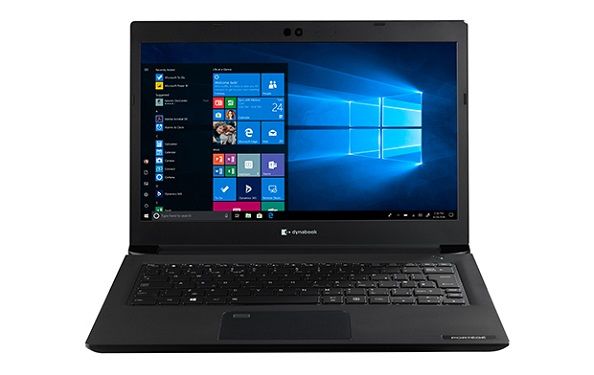
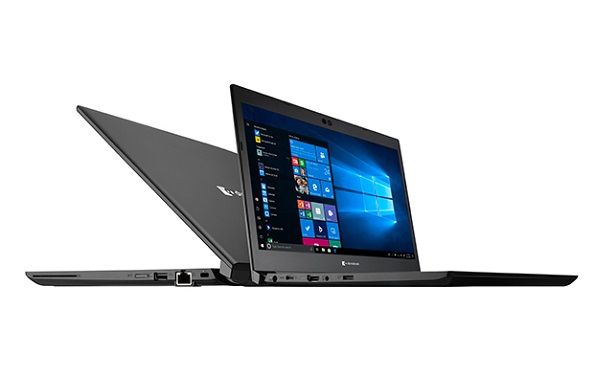
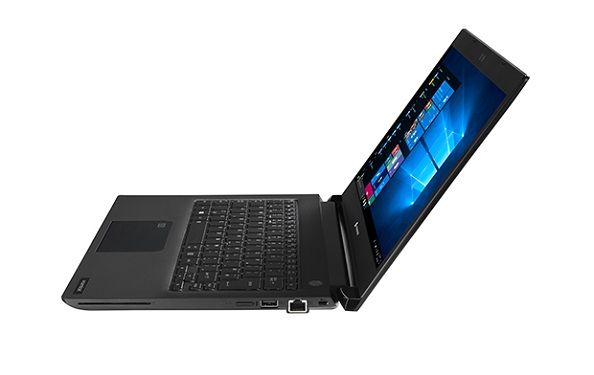
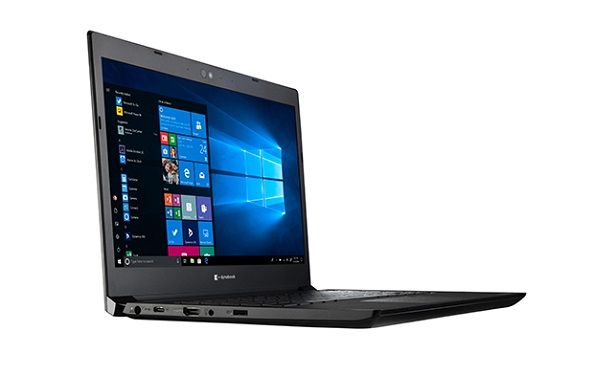
The TOSHIBA dynabook Portege A30-E-17P laptop features a single SO-DIMM memory slot compatible with DDR4-SDRAM modules operating at 2400 MHz. The upgrade specifications indicate a maximum RAM capacity of 16 GB, allowing users to expand the existing memory configuration. Compatible memory upgrades utilize the SO-DIMM form factor standard for portable computing devices. The Portege A30-E-17P supports memory upgrade configurations for enhanced multitasking and application performance within the specified maximum capacity constraints.
Memory Upgrade Specifications
| Specification | Value |
|---|---|
| Memory slots | 1x SO-DIMM |
| Form factor | SO-DIMM |
| Memory type | DDR4-SDRAM |
| Frequency | 2400 MHz |
| Maximum RAM | 16 GB |
| Voltage | 1.2V |
| Number of pins | 260-pin |
| Interface | PC4 |
| PC Speed Rating | PC4-2400 (PC4-19200) |
| Bandwidth | 19.2 GB/s |
| Laptop Release date | 29 November 2019 |
Additional Notes
- The Toshiba dynabook A30-E-17P contains a single memory slot, restricting upgrade capacity to 16 GB total regardless of module quantity purchased.
- DDR4-2400 MHz represents an older JEDEC standard; newer DDR4 modules rated for 3200 MHz or higher will operate at reduced 2400 MHz speeds due to motherboard frequency lock, eliminating any performance benefit from premium memory.
- SO-DIMM form factor limits replacement options to laptop-specific modules; full-size UDIMM desktop memory cannot physically install in this slot.
- Single-slot architecture prevents capacity expansion through paired configurations; maximum addressable memory remains 16 GB regardless of module density advances.
- DDR4-2400 memory modules are becoming scarce in retail channels as manufacturers transition to DDR5 production, potentially increasing sourcing difficulty and cost for warranty-compliant replacements.
- The 16 GB ceiling creates a hard performance boundary for memory-intensive workloads; applications requiring 32 GB or greater RAM cannot run on this hardware regardless of storage expansion.
- Factory specification indicates no dual-channel memory configuration; single-slot design limits memory bandwidth compared to 2-channel configurations, reducing data transfer rates to the processor by approximately 50 percent.