SONY VAIO SVE1413XPN RAM upgrade specifications
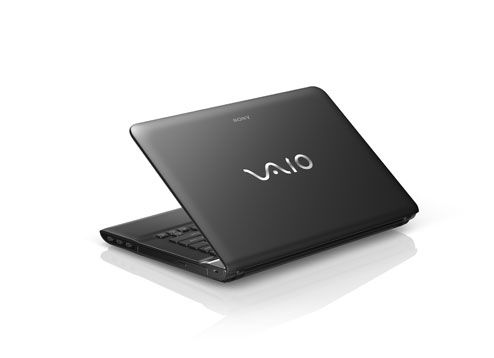
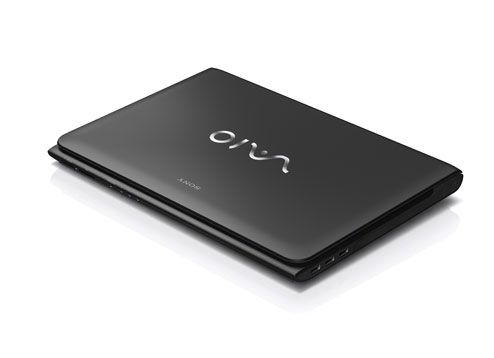
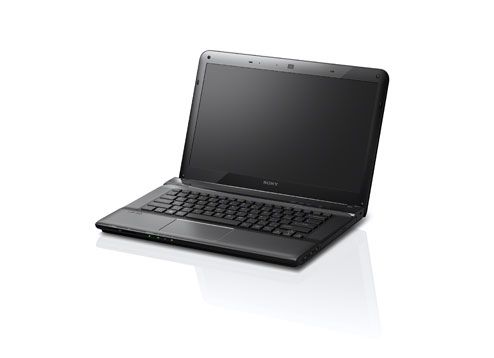
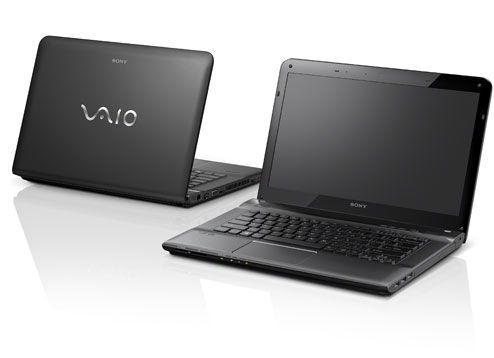
The SONY VAIO E Series SVE1413XPN laptop features DDR3-SDRAM memory upgrades through two SO-DIMM slots. Compatible memory modules operate at 1600 MHz frequency with a maximum RAM capacity of 8 GB. The SO-DIMM form factor enables standard upgrade specifications for this portable computing device. Memory specifications define the compatible upgrade parameters for the SVE1413XPN model's expansion capabilities.
Memory Upgrade Specifications
| Specification | Value |
|---|---|
| Memory slots | 2x SO-DIMM |
| Form factor | SO-DIMM |
| Memory type | DDR3-SDRAM |
| Frequency | 1600 MHz |
| Maximum RAM | 8 GB |
| Voltage | 1.5V |
| Number of pins | 204-pin |
| Interface | PC3 |
| PC Speed Rating | PC3-1600 (PC3-12800) |
| Bandwidth | 12.8 GB/s |
| Laptop Release date | 05 February 2014 |
Additional Notes
- The SONY VAIO SVE1413XPN chipset architecture limits total system memory to 8 GB regardless of module density, preventing installation of 2x8 GB configurations even when physically compatible modules are available.
- DDR3-1600 modules operating at PC3-12800 bandwidth deliver 12.8 GB/s theoretical maximum throughput per channel, though dual-channel configuration doubles effective bandwidth to 25.6 GB/s when matched modules populate both slots.
- Installing a single module in either slot forces single-channel operation, reducing memory bandwidth by approximately 50% compared to dual-channel mode with matched pairs.
- SO-DIMM form factor measures 67.6 mm in length compared to standard desktop DIMM modules at 133.35 mm, making desktop memory physically incompatible despite identical DDR3 electrical specifications.
- Mixing modules with different speeds causes all installed memory to downclock to the slowest module's frequency, potentially reducing a 1600 MHz module to 1333 MHz or lower speeds.
- DDR3L low-voltage modules rated at 1.35V maintain backward compatibility with standard 1.5V slots, though standard DDR3 modules cannot safely operate in systems requiring low-voltage specifications.
- The 2-slot configuration requires complete removal of existing modules when upgrading to maximum capacity, as intermediate upgrades to 6 GB (4 GB + 2 GB) leave no expansion path without discarding functional memory.
- Non-ECC unbuffered modules represent the only compatible memory type, as registered or ECC variants designed for server applications will either fail POST or remain unrecognized by consumer-grade chipsets.
- CAS latency variations between CL9, CL10, and CL11 modules at identical frequencies produce measurable differences in access timing, with lower latency values providing marginally improved response in latency-sensitive operations.
- Thermal constraints within compact laptop chassis may cause sustained memory-intensive operations to trigger throttling when modules lack adequate heat spreaders or operate at maximum rated voltage.