TOSHIBA dynabook R50-E-14N RAM upgrade specifications

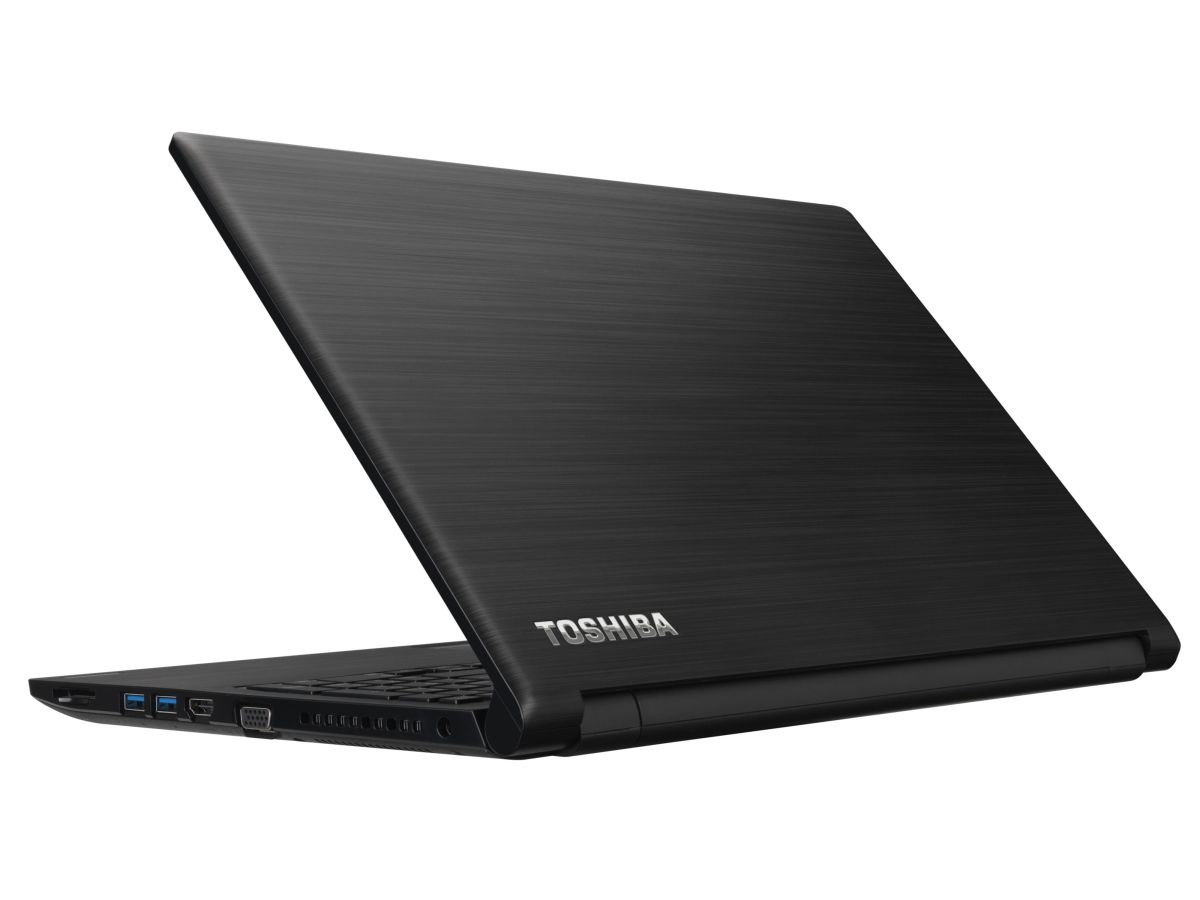
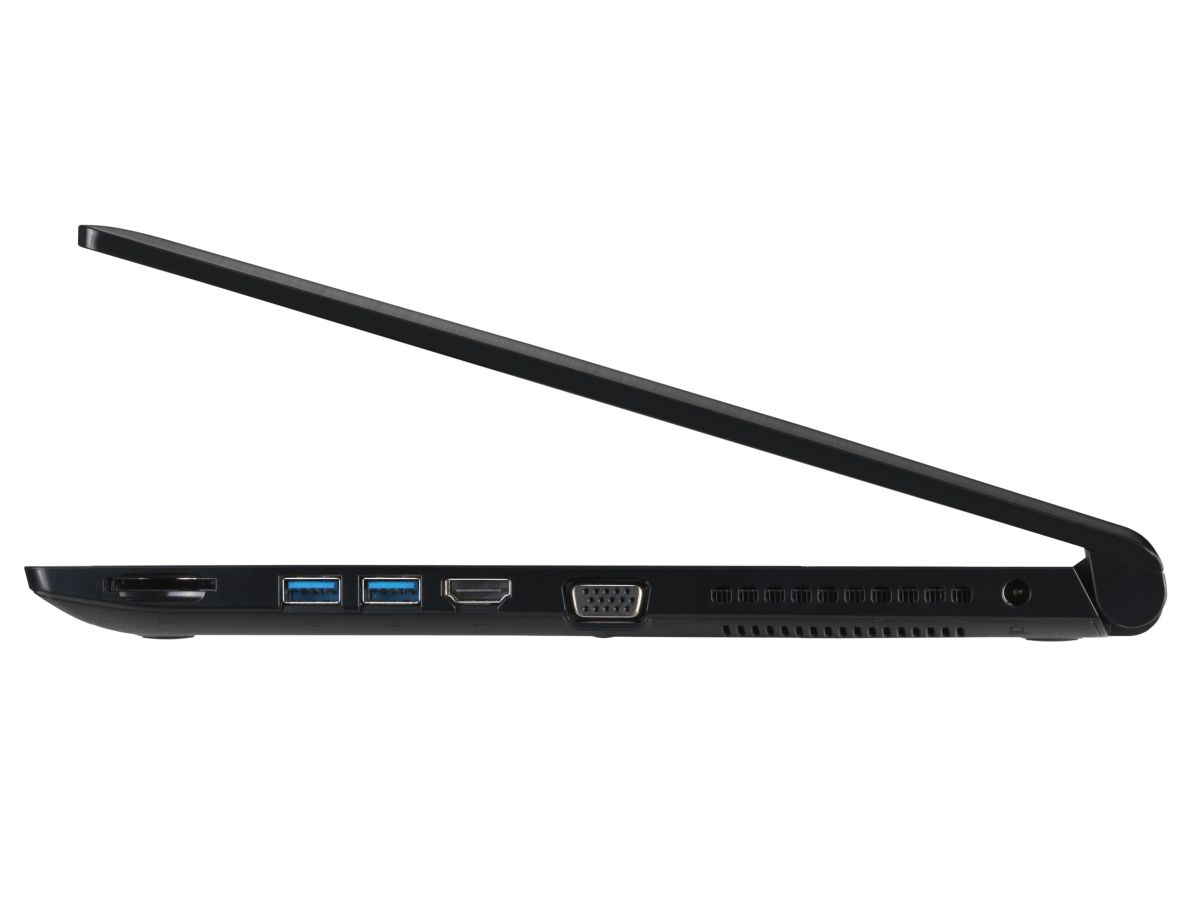
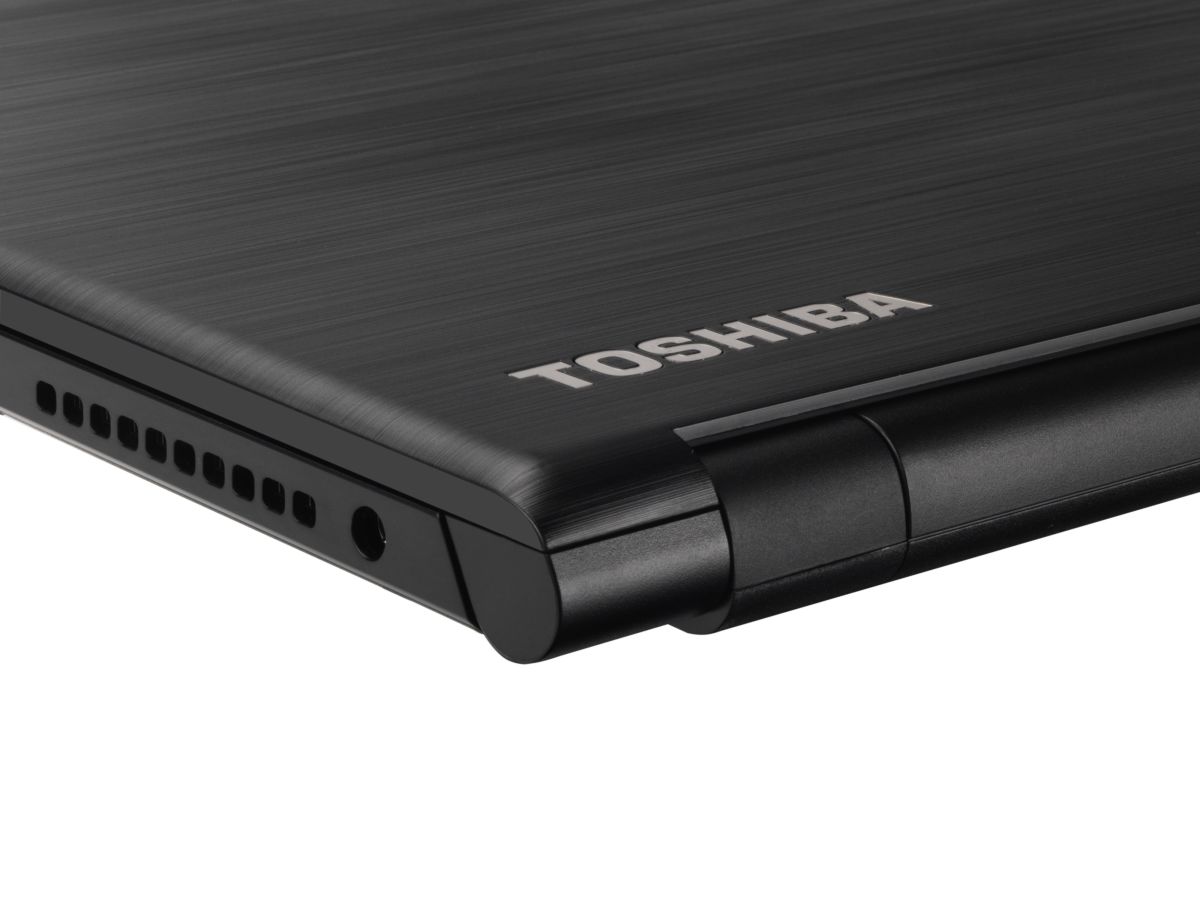
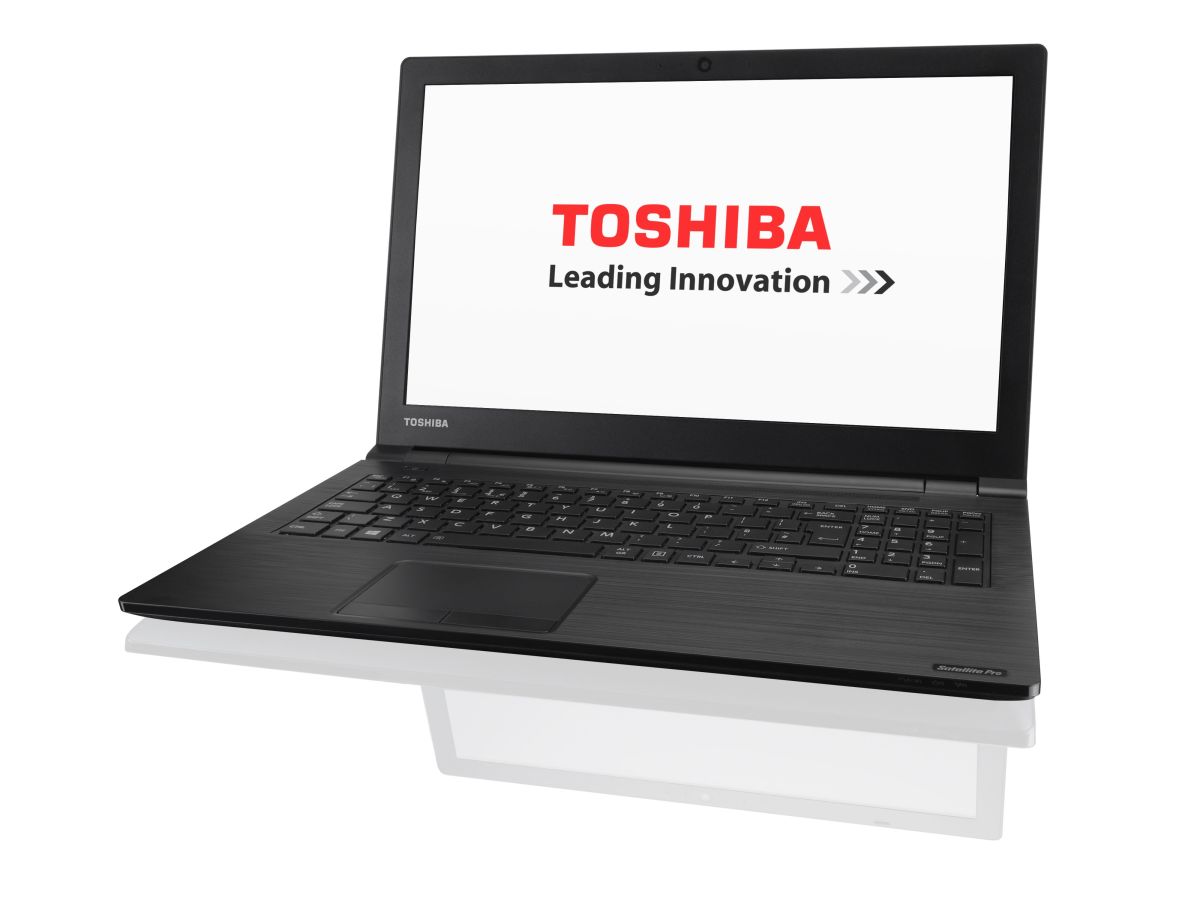
The TOSHIBA dynabook Satellite Pro R50-E-14N supports DDR4-SDRAM memory upgrades with a maximum capacity of 16 GB. The laptop features 2x SO-DIMM slots for memory expansion, accommodating SO-DIMM form factor modules operating at 2133 MHz. Compatible RAM upgrades enable users to expand the system's memory specifications up to the maximum supported capacity for enhanced performance and multitasking capabilities.
Memory Upgrade Specifications
| Specification | Value |
|---|---|
| Memory slots | 2x SO-DIMM |
| Form factor | SO-DIMM |
| Memory type | DDR4-SDRAM |
| Frequency | 2133 MHz |
| Maximum RAM | 16 GB |
| Voltage | 1.2V |
| Number of pins | 260-pin |
| Interface | PC4 |
| PC Speed Rating | PC4-2133 (PC4-17064) |
| Bandwidth | 17.1 GB/s |
| Laptop Release date | 16 September 2018 |
Additional Notes
- The 16 GB ceiling derives from chipset or BIOS addressing limits rather than slot quantity, as 2 SO-DIMM sockets could theoretically accommodate 32 GB with 16 GB modules.
- DDR4-2133 represents the JEDEC baseline speed for DDR4, meaning faster modules will downclock to 2133 MHz, eliminating performance gains from higher-rated memory.
- SO-DIMM form factor restricts sourcing options compared to desktop DIMM availability, typically resulting in higher cost per gigabyte for equivalent specifications.
- Dual-slot configuration enables dual-channel operation when populated with matched capacity modules, doubling theoretical memory bandwidth versus single-channel mode.
- Installation requires access to the bottom panel or keyboard assembly, with the specific disassembly path determining whether the procedure voids seal-based warranties.
- Mixing modules of different densities or timings forces the memory controller to operate at the lowest common denominator, potentially introducing stability variables.
- DDR4 voltage standards (1.2V nominal) differ from DDR3/DDR3L, making cross-generation modules physically incompatible despite SO-DIMM form factor similarity.
- The 2133 MHz constraint affects minimum latency thresholds, as faster frequency headroom typically compensates for looser CAS timings in performance scenarios.
- Both slots must remain accessible for future expansion, meaning single 8 GB configurations preserve one slot while dual 4 GB configurations eliminate incremental upgrade paths without module replacement.
- Operating temperature tolerances for SO-DIMM modules in confined laptop chassis differ from desktop environments, affecting stability margins for modules rated at extended specifications.