ACER Aspire A515-45-R6AG RAM upgrade specifications




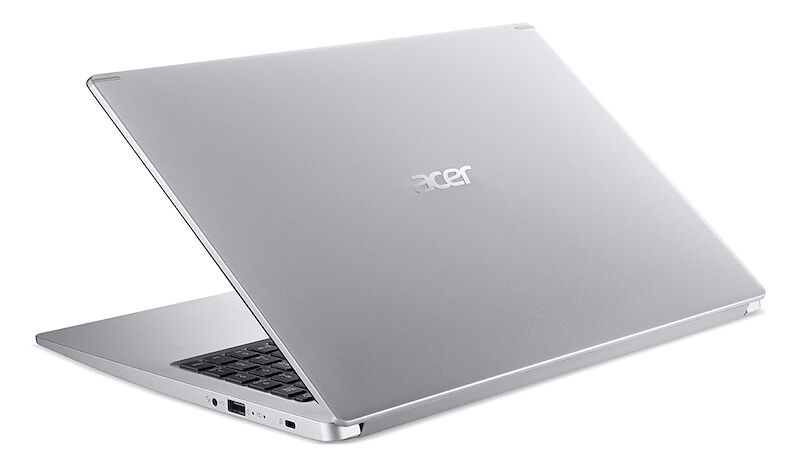
The ACER Aspire 5 Series A515-45-R6AG laptop features DDR4-SDRAM memory upgrade specifications. The device contains one SO-DIMM slot compatible with memory modules operating at 2133 MHz frequency. Maximum RAM capacity reaches 24 GB through the upgradeable slot, supplemented by on-board memory. This configuration supports memory expansion for users requiring enhanced multitasking performance and application responsiveness on the A515-45-R6AG model.
Memory Upgrade Specifications
| Specification | Value |
|---|---|
| Memory slots | 1x SO-DIMM |
| Form factor | On-board + SO-DIMM |
| Memory type | DDR4-SDRAM |
| Frequency | 2133 MHz |
| Maximum RAM | 24 GB |
| Voltage | 1.2V |
| Number of pins | 260-pin |
| Interface | PC4 |
| PC Speed Rating | PC4-2133 (PC4-17064) |
| Bandwidth | 17.1 GB/s |
| Laptop Release date | 22 July 2021 |
Additional Notes
- The ACER Aspire A515-45-R6AG contains soldered memory alongside a single accessible slot, meaning partial rather than complete memory replacement.
- Total system capacity reaches 24 GB through the combination of onboard memory and the SO-DIMM slot, not through paired modules.
- The single-slot configuration eliminates dual-channel optimization opportunities, resulting in memory bandwidth limitations for graphics-intensive applications.
- Memory frequency specification at 2133 MHz indicates PC4-17000 module compatibility, corresponding to approximately 17 GB/s theoretical bandwidth per channel.
- Asymmetric memory configurations may trigger flex mode operation rather than traditional dual-channel architecture, creating uneven bandwidth allocation across memory segments.
- The soldered component prevents total memory removal for warranty-safe troubleshooting or complete system memory replacement.
- Physical installation requires SO-DIMM 260-pin modules specifically, as standard DIMM form factors remain incompatible with the mobile platform.
- Voltage specifications default to 1.2V for DDR4 standards, making low-voltage or high-performance XMP modules potentially unstable without BIOS-level frequency locking.
- Single-rank versus dual-rank module selection affects interleaving behavior with the fixed onboard memory, potentially creating latency variations.
- The 24 GB ceiling suggests an 8 GB soldered component paired with a maximum 16 GB SO-DIMM module for peak configuration.
- CAS latency timing compatibility depends on matching or exceeding the onboard memory specifications to prevent system downclocking.
- ECC memory modules lack support in this consumer platform configuration, limiting error-correction capabilities for mission-critical applications.