ACER Aspire VN7-793G-70ED RAM upgrade specifications
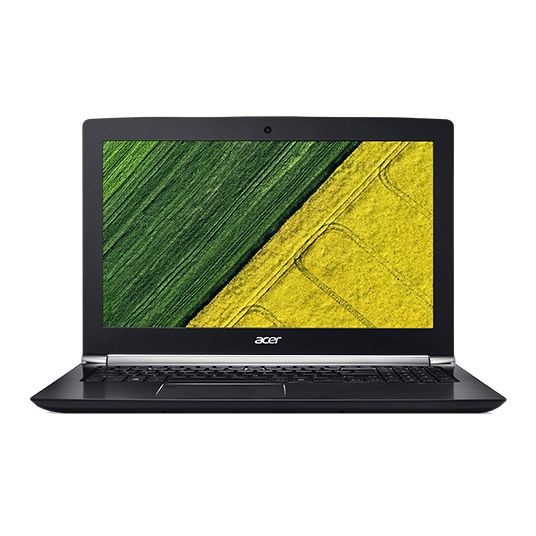
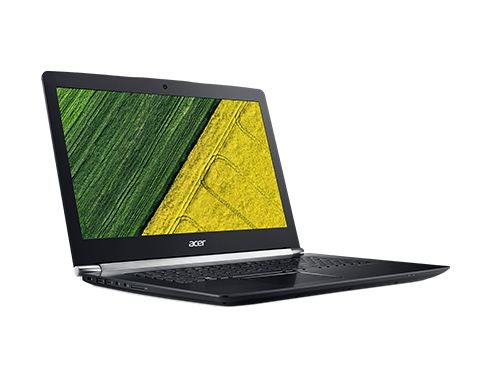
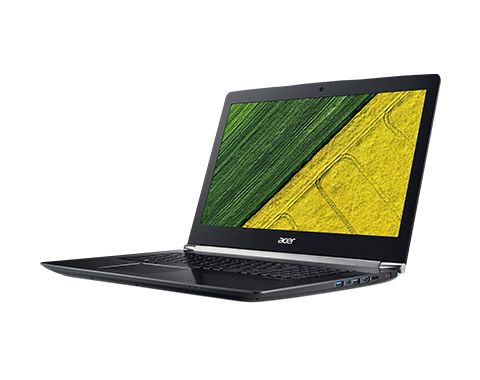
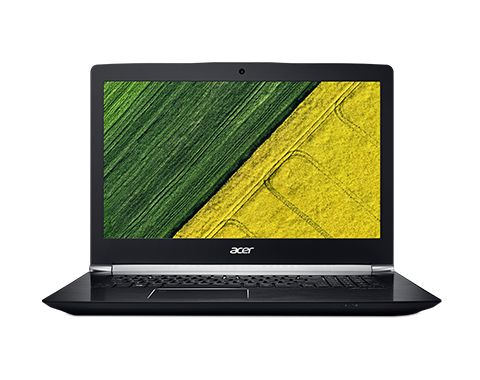

ACER Aspire V Nitro VN7-793G-70ED laptop features DDR4-SDRAM memory upgrade specifications. The model includes 2x SO-DIMM slots supporting maximum RAM capacity of 32 GB. Compatible memory operates at 2400 MHz frequency with SO-DIMM form factor. Upgrade specifications enable expansion from standard configuration to 32 GB total capacity through compatible DDR4-SDRAM modules.
Memory Upgrade Specifications
| Specification | Value |
|---|---|
| Memory slots | 2x SO-DIMM |
| Form factor | SO-DIMM |
| Memory type | DDR4-SDRAM |
| Frequency | 2400 MHz |
| Maximum RAM | 32 GB |
| Voltage | 1.2V |
| Number of pins | 260-pin |
| Interface | PC4 |
| PC Speed Rating | PC4-2400 (PC4-19200) |
| Bandwidth | 19.2 GB/s |
| Laptop Release date | 10 October 2017 |
Additional Notes
- The 2x SO-DIMM slot configuration enables symmetric dual-channel operation only when both slots are populated with identical capacity modules, which optimizes memory bandwidth for the DDR4 controller.
- Upgrading to 32 GB requires two 16 GB SO-DIMM modules, as single-slot population would leave one channel unbalanced and reduce effective throughput by approximately 50 percent compared to dual-channel configuration.
- The 2400 MHz frequency specification indicates the platform's memory controller operates within the base DDR4 standard; faster aftermarket modules will downclock to this speed automatically, eliminating cost-benefit from premium memory variants.
- SO-DIMM form factor occupies minimal physical space, which restricts heatspreader height and may cause interference with tall CPU coolers if the system uses socket-mounted thermal solutions with low memory clearance.
- Mixing different capacity modules (for example, 8 GB plus 16 GB) results in asymmetric capacity distribution; the system will run both channels at full speed but with unequal memory addressing, complicating some workload optimization.
- The 32 GB ceiling represents a hard architectural limit imposed by the chipset and BIOS firmware; no configuration of SO-DIMM modules will exceed this threshold regardless of future memory density advances.