ACER Aspire VN7-793G-73UU RAM upgrade specifications
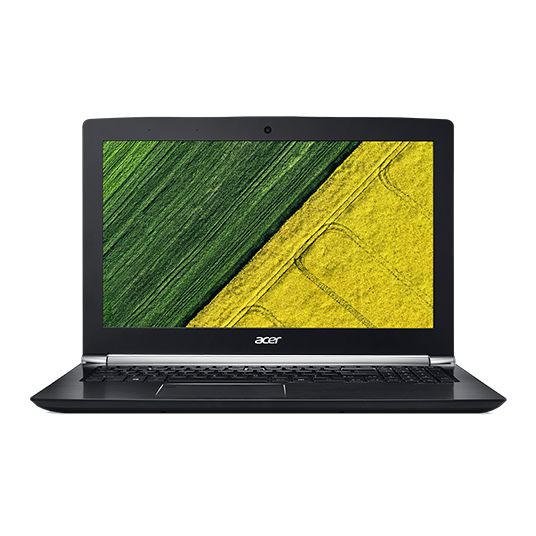
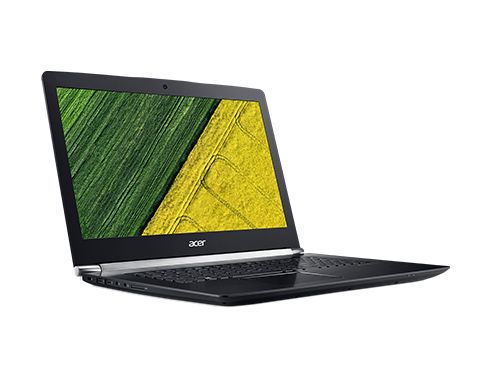
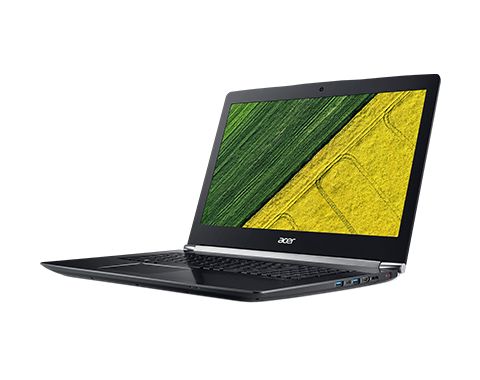
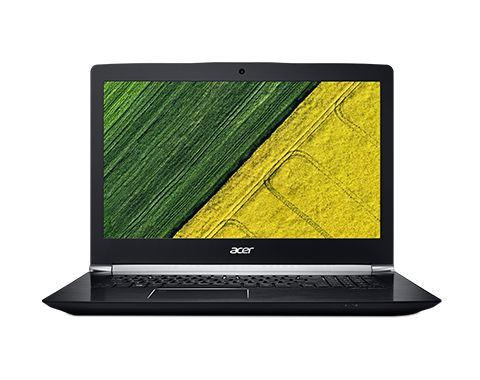
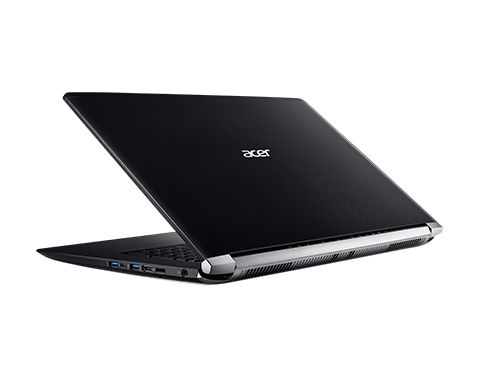
ACER Aspire V Nitro VN7-793G-73UU laptop supports DDR4-SDRAM memory upgrades through 2x SO-DIMM slots. Maximum RAM capacity reaches 32 GB total. Memory specifications include 2400 MHz frequency with SO-DIMM form factor. Compatible memory upgrades expand storage capacity for enhanced multitasking and performance. Existing memory configurations can be replaced or supplemented to achieve maximum specifications of 32 GB RAM supported by this model.
Memory Upgrade Specifications
| Specification | Value |
|---|---|
| Memory slots | 2x SO-DIMM |
| Form factor | SO-DIMM |
| Memory type | DDR4-SDRAM |
| Frequency | 2400 MHz |
| Maximum RAM | 32 GB |
| Voltage | 1.2V |
| Number of pins | 260-pin |
| Interface | PC4 |
| PC Speed Rating | PC4-2400 (PC4-19200) |
| Bandwidth | 19.2 GB/s |
| Laptop Release date | 18 August 2017 |
Additional Notes
- The 2400 MHz frequency specification represents the maximum officially supported speed, meaning higher-frequency modules will downclock to this rate without performance gain.
- SO-DIMM form factor physically excludes standard desktop DIMM modules, which are approximately 33mm longer and incompatible with laptop slots.
- The 32 GB ceiling requires 2 modules of 16 GB each, as the dual-slot configuration prevents achieving this capacity with smaller module sizes.
- DDR4 operates at lower voltage (1.2V) than DDR3 (1.5V), making DDR3 modules electrically incompatible despite potential physical similarity.
- Aspire V Nitro models from this generation typically position RAM slots beneath the bottom panel rather than under the keyboard, affecting disassembly requirements.
- Mixing modules with different speeds forces both to operate at the slower module's frequency, creating a de facto performance bottleneck.
- Dual-channel architecture requires matched module pairs for optimal memory bandwidth, with mismatched capacities potentially forcing single-channel operation on the excess capacity.
- The chipset's memory controller limits maximum addressable capacity regardless of physical slot availability, making the 32 GB threshold a silicon-level constraint.
- Non-XMP standard DDR4-2400 modules eliminate BIOS compatibility risks common with overclocked or performance-tuned RAM in laptop environments.
- Seventh-generation Intel mobile platforms in this model series lack native support for DDR4 speeds beyond 2400 MHz without manufacturer-specific validation.
- The SO-DIMM specification mandates 260-pin connectors, whereas desktop DDR4 uses 288 pins, preventing cross-compatibility even within the same memory generation.
- Warranty preservation typically requires avoiding memory configurations exceeding the 32 GB specification, as unsupported capacities may void manufacturer coverage.