ACER Extensa EX215-32-C5GQ RAM upgrade specifications
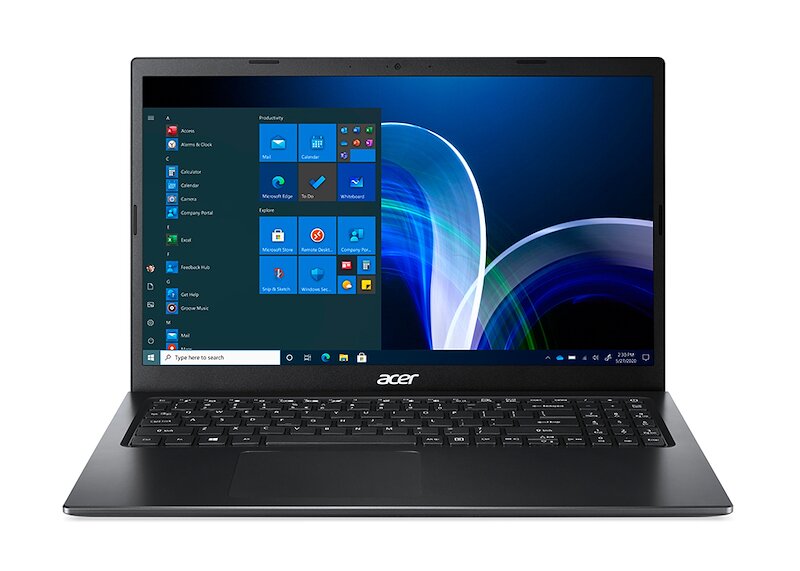
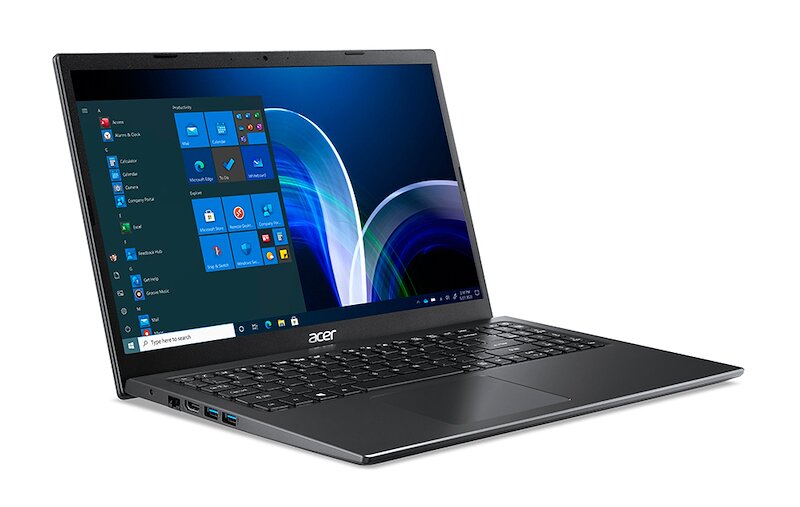
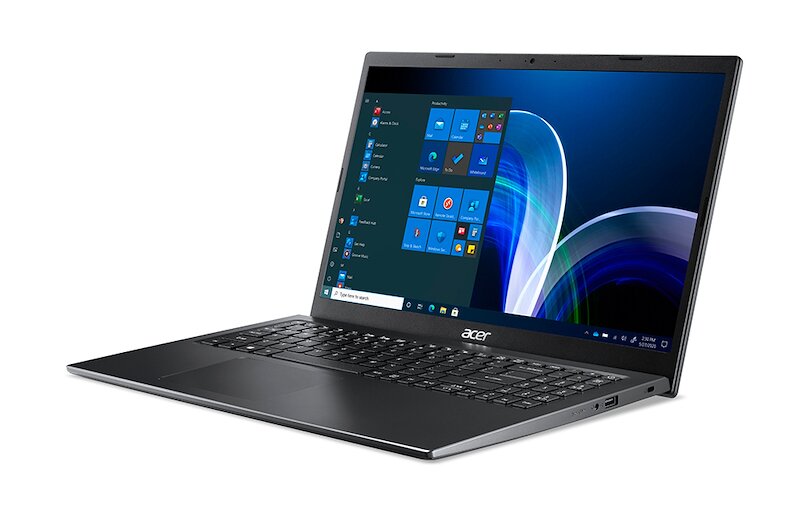
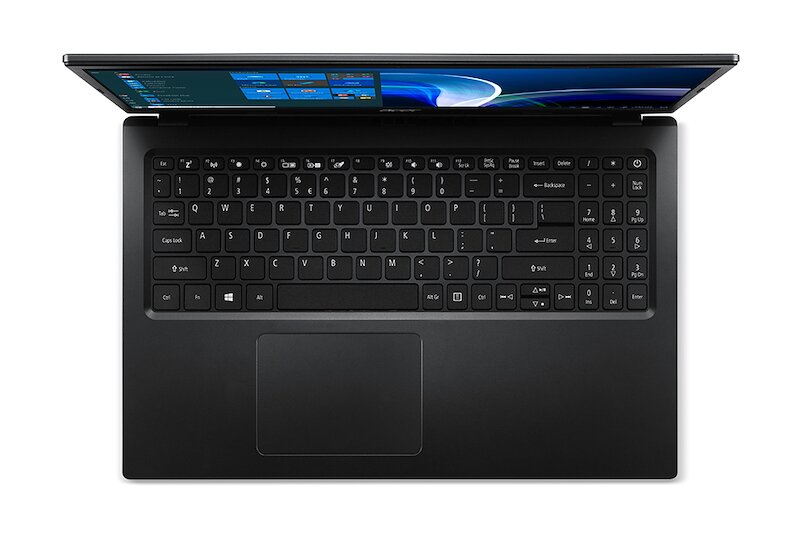
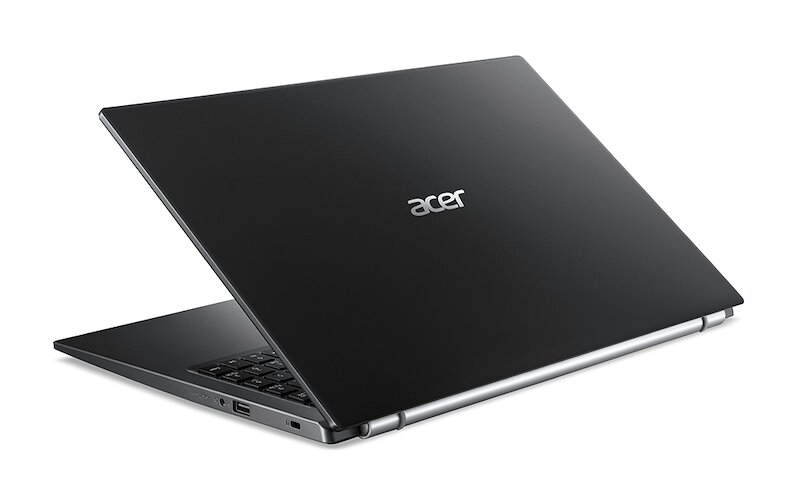
The Acer Extensa 15 Series model EX215-32-C5GQ supports DDR4-SDRAM memory upgrades with 2x SO-DIMM slots. Maximum RAM capacity reaches 16 GB total, operating at 2133 MHz frequency. Compatible memory modules utilize SO-DIMM form factor specifications for this laptop model. RAM upgrade specifications enable users to expand the existing memory configuration up to the maximum supported capacity of 16 GB.
Memory Upgrade Specifications
| Specification | Value |
|---|---|
| Memory slots | 2x SO-DIMM |
| Form factor | SO-DIMM |
| Memory type | DDR4-SDRAM |
| Frequency | 2133 MHz |
| Maximum RAM | 16 GB |
| Voltage | 1.2V |
| Number of pins | 260-pin |
| Interface | PC4 |
| PC Speed Rating | PC4-2133 (PC4-17064) |
| Bandwidth | 17.1 GB/s |
| Laptop Release date | 22 December 2021 |
Additional Notes
- The Acer Extensa EX215-32-C5GQ operates with DDR4 memory, which requires SO-DIMM modules incompatible with DDR5 or earlier DDR3 specifications. Substituting incompatible memory types will result in system failure to recognize new modules.
- Both SO-DIMM slots must be populated with matching capacity modules to avoid asymmetric performance degradation. Mixed-capacity configurations introduce latency penalties and underutilize the dual-channel architecture.
- The 2133 MHz frequency rating indicates constraint at the lower end of DDR4 spec range (2133-3200 MHz typical). Upgrading to higher-frequency DDR4 modules will result in automatic downclocking to 2133 MHz, negating speed benefits and wasting budget on premium components.
- The 16 GB system ceiling represents a hard limit determined by BIOS and chipset design. No firmware updates or BIOS revisions expand this capacity beyond stated maximum.
- Single-rank vs. dual-rank module selection affects maximum capacity utilization. Dual-rank SO-DIMMs within the 16 GB total may not be universally compatible; single-rank modules guarantee reliable detection across both slots.
- Warranty coverage typically remains valid during RAM installation if non-destructive opening procedures are followed. Retaining original memory modules in external storage preserves reversion capability if defects emerge post-upgrade.