ACER Extensa EX215-52-36H1 RAM upgrade specifications
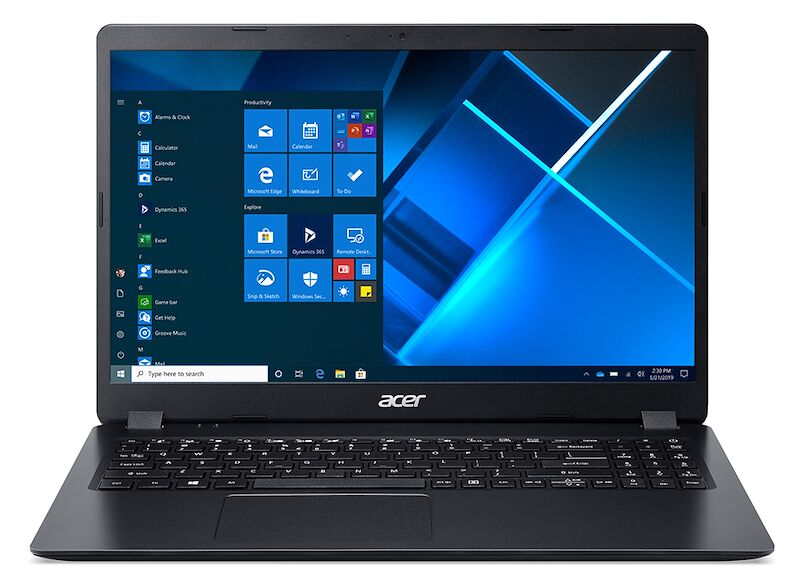
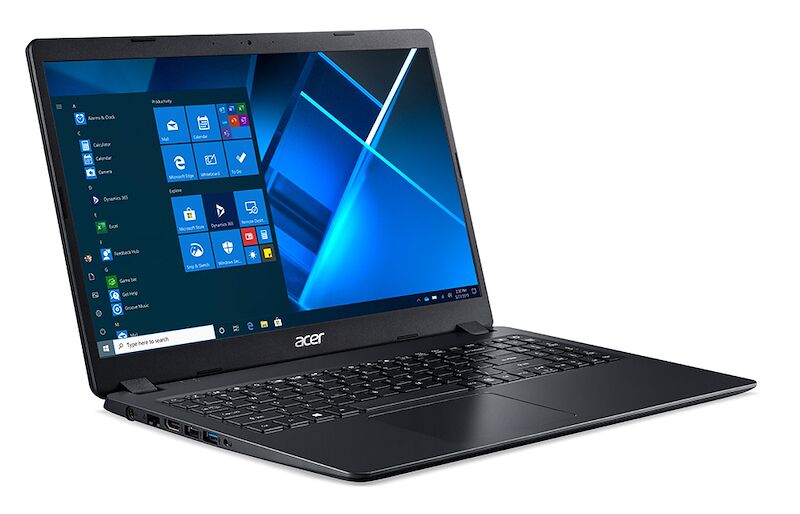
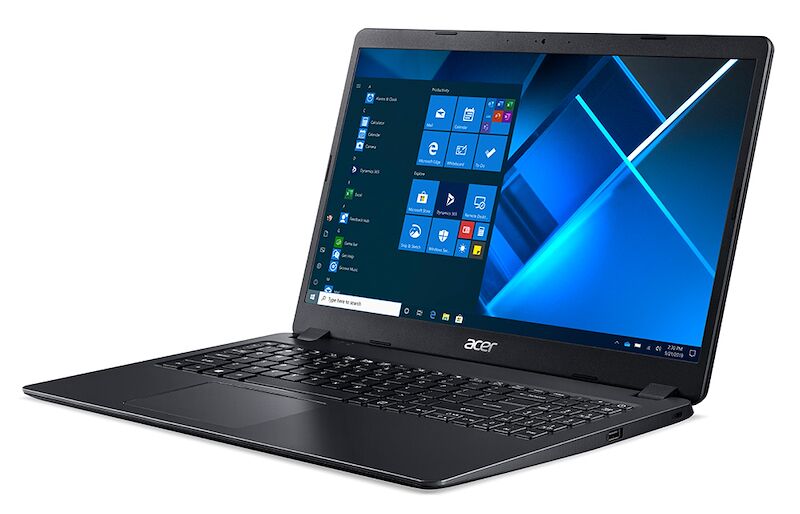
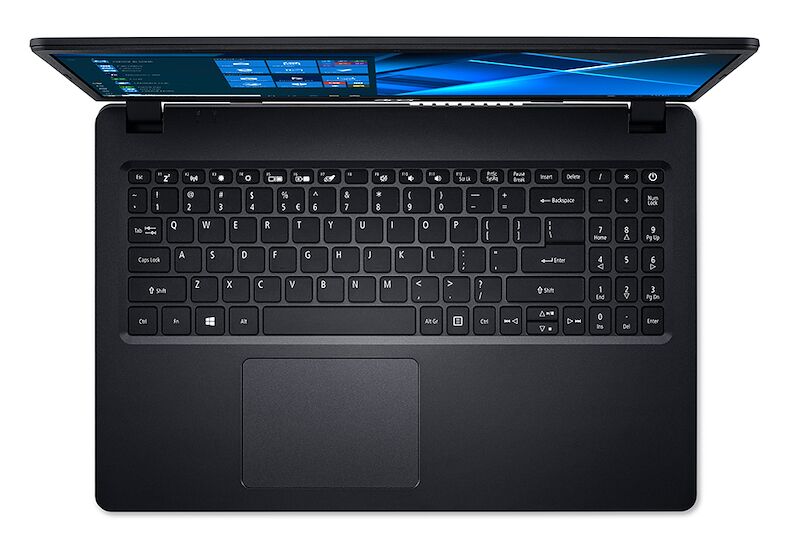

The Acer Extensa 15 EX215-52-36H1 features DDR4-SDRAM memory with one SO-DIMM upgrade slot. The laptop contains soldered on-board memory paired with expandable SO-DIMM capacity. Maximum compatible RAM upgrade reaches 12 GB total system memory. Memory specifications include DDR4 operating at 2133 MHz frequency. The upgrade slot accepts standard SO-DIMM modules for enhanced multitasking performance.
Memory Upgrade Specifications
| Specification | Value |
|---|---|
| Memory slots | 1x SO-DIMM |
| Form factor | On-board + SO-DIMM |
| Memory type | DDR4-SDRAM |
| Frequency | 2133 MHz |
| Maximum RAM | 12 GB |
| Voltage | 1.2V |
| Number of pins | 260-pin |
| Interface | PC4 |
| PC Speed Rating | PC4-2133 (PC4-17064) |
| Bandwidth | 17.1 GB/s |
| Laptop Release date | 01 December 2020 |
Additional Notes
- The Acer Extensa EX215-52-36H1 contains soldered memory on the motherboard, permanently limiting total capacity regardless of the SO-DIMM module installed.
- The 12 GB maximum suggests 4 GB of non-removable soldered RAM paired with an 8 GB SO-DIMM limit, creating an asymmetric dual-channel configuration.
- Asymmetric dual-channel operation typically functions in flex mode, where only the first portion of memory operates in dual-channel while exceeding portions revert to single-channel bandwidth.
- Installing modules rated above 2133 MHz will downclock to match the 2133 MHz specification, negating any speed advantages of higher-rated memory.
- Single SO-DIMM slot architecture prevents future memory expansion beyond the initial upgrade, as no secondary slot exists for additional modules.
- The combination of soldered memory and single-slot design permanently restricts upgrade pathways, requiring careful initial module selection to maximize usable capacity.
- Non-standard maximum capacity of 12 GB indicates chipset or BIOS limitations rather than typical 8 GB or 16 GB boundaries common in consumer platforms.
- DDR4 SO-DIMM modules must match 260-pin physical specifications, as standard DIMM or older DDR3 SO-DIMM form factors present physical incompatibility with the slot.
- Voltage requirements default to DDR4 standard 1.2V operation, while low-voltage variants intended for specific applications may cause stability issues or boot failures.
- Warranty preservation requires avoiding physical damage to the soldered components during SO-DIMM installation, as motherboard replacement becomes the only repair option for soldered memory failure.