ACER Extensa EX215-52-39BF RAM upgrade specifications
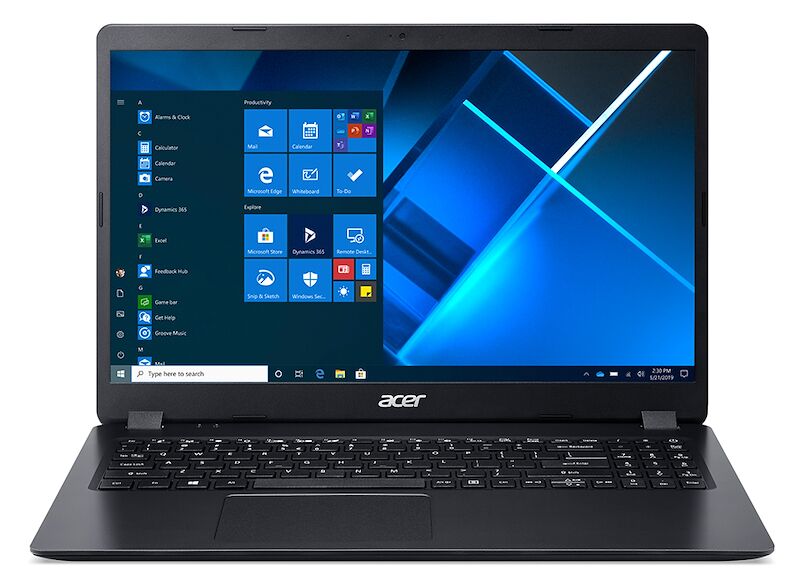
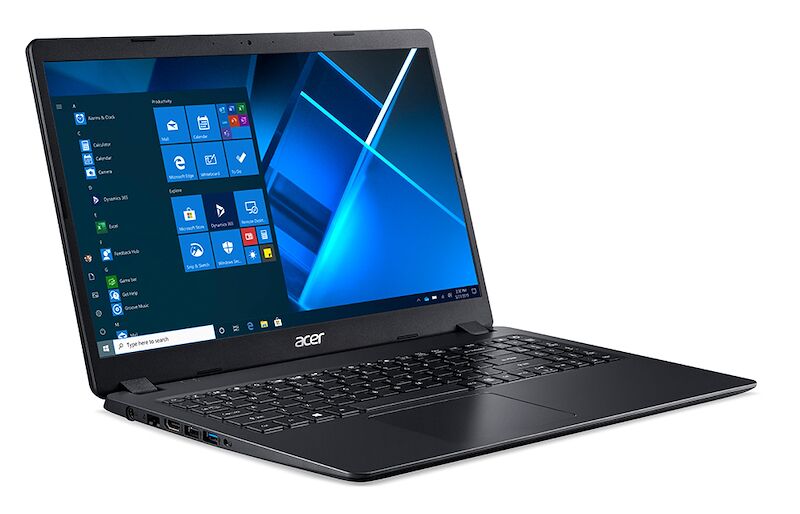
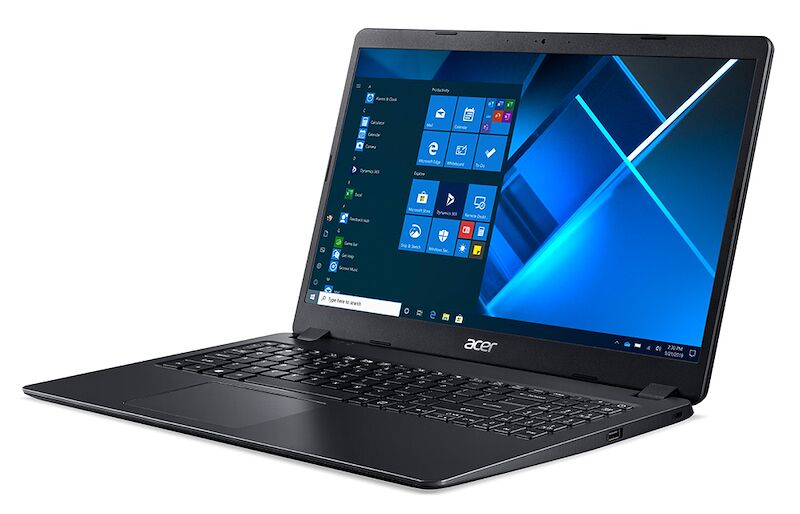
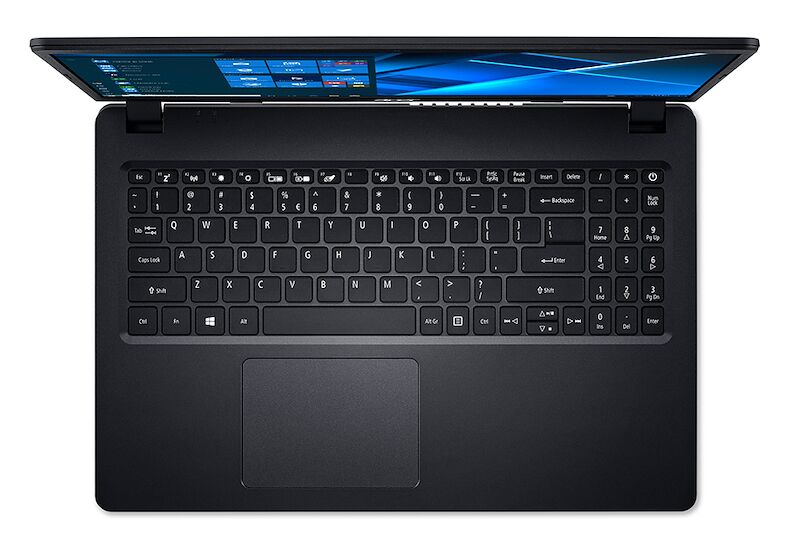

ACER Extensa 15 series model EX215-52-39BF supports DDR4-SDRAM memory upgrade specifications. The laptop features one SO-DIMM slot compatible with DDR4 modules operating at 2133 MHz frequency. Maximum RAM capacity reaches 12 GB total, combining on-board memory with upgradeable SO-DIMM slot. Memory upgrade specifications indicate DDR4-SDRAM as the compatible memory type for this laptop model. Current configuration allows expansion through the available SO-DIMM slot to achieve maximum specifications.
Memory Upgrade Specifications
| Specification | Value |
|---|---|
| Memory slots | 1x SO-DIMM |
| Form factor | On-board + SO-DIMM |
| Memory type | DDR4-SDRAM |
| Frequency | 2133 MHz |
| Maximum RAM | 12 GB |
| Voltage | 1.2V |
| Number of pins | 260-pin |
| Interface | PC4 |
| PC Speed Rating | PC4-2133 (PC4-17064) |
| Bandwidth | 17.1 GB/s |
| Laptop Release date | 01 November 2020 |
Additional Notes
- The Acer Extensa EX215-52-39BF features a hybrid memory architecture with one soldered module and one accessible slot, preventing dual-channel operation beyond the capacity of the smaller module.
- The 12 GB maximum capacity indicates 4 GB permanently soldered to the motherboard, limiting the upgradeable SO-DIMM slot to 8 GB.
- Dual-channel bandwidth operates only for the first 4 GB when paired with an 8 GB module, reverting to slower single-channel mode for the remaining 4 GB in what Intel terms "Flex Mode".
- The 2133 MHz frequency represents DDR4-2133 JEDEC standard with PC4-17000 designation, delivering 17.06 GB/s theoretical bandwidth per channel.
- Installing modules rated above 2133 MHz will result in automatic downclocking to match the onboard memory specification, negating any speed advantage from higher-rated RAM.
- SO-DIMM modules require 260-pin configuration and 1.2V operating voltage to maintain compatibility with this platform's DDR4 implementation.
- Access to the single memory slot requires bottom panel removal, which may void warranty coverage unless performed by authorized service providers depending on regional regulations.
- The asymmetric memory configuration creates performance variance in memory-intensive applications that exceed the dual-channel threshold at 8 GB total capacity.
- Systems using integrated graphics will allocate a portion of system RAM as video memory, reducing available capacity for applications proportionally to display resolution and workload demands.