ACER Nitro AN515-55-78BG RAM upgrade specifications

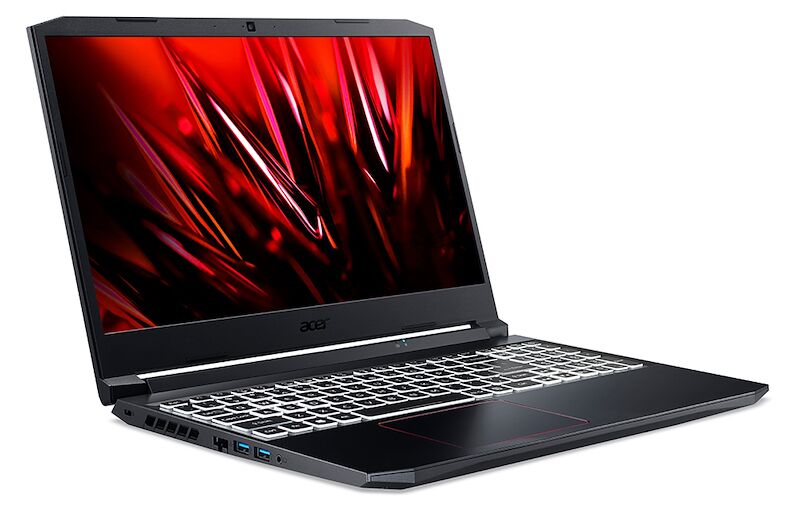

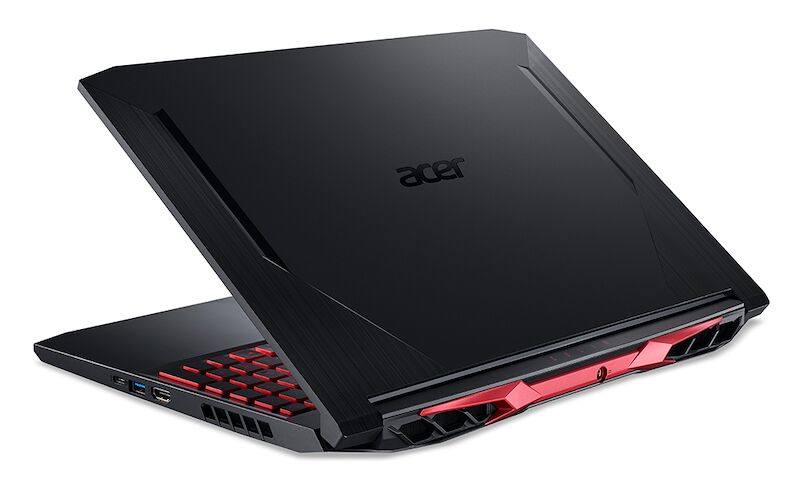
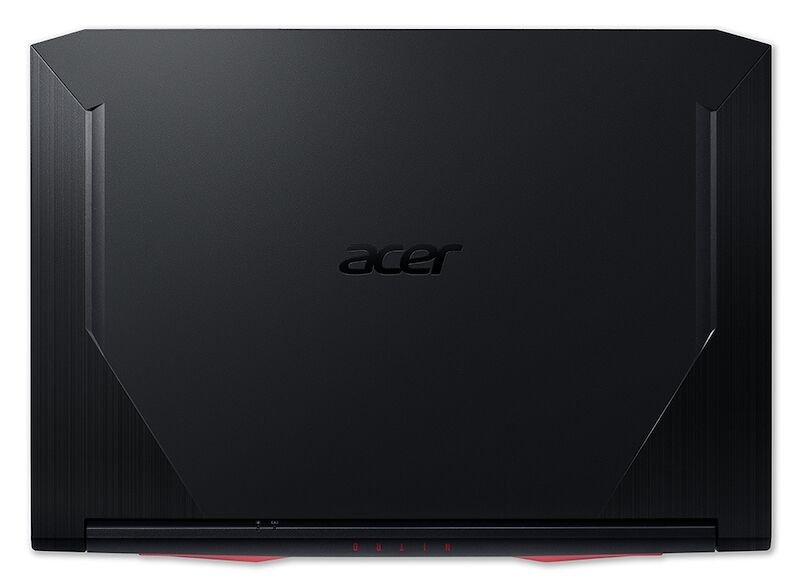
The ACER Nitro 5 series AN515-55-78BG laptop features DDR4-SDRAM memory with 2x SO-DIMM upgrade slots. Maximum RAM capacity reaches 32 GB, supporting compatible DDR4 modules operating at 2933 MHz frequency. The SO-DIMM form factor specifications enable memory expansion for enhanced multitasking and performance capabilities. Upgrade compatibility requires DDR4-SDRAM modules meeting the specified frequency and form factor requirements for the AN515-55-78BG model.
Memory Upgrade Specifications
| Specification | Value |
|---|---|
| Memory slots | 2x SO-DIMM |
| Form factor | SO-DIMM |
| Memory type | DDR4-SDRAM |
| Frequency | 2933 MHz |
| Maximum RAM | 32 GB |
| Voltage | 1.2V |
| Number of pins | 260-pin |
| Interface | PC4 |
| PC Speed Rating | PC4-2933 (PC4-23464) |
| Bandwidth | 23.5 GB/s |
| Laptop Release date | 10 March 2021 |
Additional Notes
- The Acer Nitro AN515-55-78BG supports DDR4-3200 modules natively, though the listed 2933 MHz frequency indicates the system may be running at a reduced speed tier. Upgrading to matched 3200 MHz SO-DIMMs will provide marginal latency reduction and may unlock higher performance if the BIOS supports XMP/DOCP profiles.
- Both SO-DIMM slots must be populated simultaneously to achieve dual-channel memory architecture, which delivers approximately 50% greater bandwidth than single-channel operation. This becomes significant during GPU-accelerated workloads common in gaming and content creation scenarios.
- The 32 GB maximum capacity ceiling means the system cannot accommodate a 48 GB configuration (single 48 GB module or paired 24 GB modules). Planning should reflect this hard limit for future-proofing beyond 8-10 year usage horizons.
- Thermal constraints exist within the chassis cavity. SO-DIMM modules with tall heat spreaders may contact the bottom case panel or internal components. Standard-height modules ensure risk-free installation without requiring chassis modification or voiding protections.
- Adding capacity beyond the factory configuration does not require BIOS modifications on this platform. The chipset auto-detects SO-DIMM population and timing, eliminating configuration steps that typically void manufacturer support on consumer systems.
- Storage performance will not improve with RAM upgrades since the upgrade affects only memory subsystem capacity and bandwidth, not disk I/O pathways. System responsiveness gains apply solely to workloads exceeding current physical memory allocation.