ACER TravelMate P258-MG-52PV RAM upgrade specifications
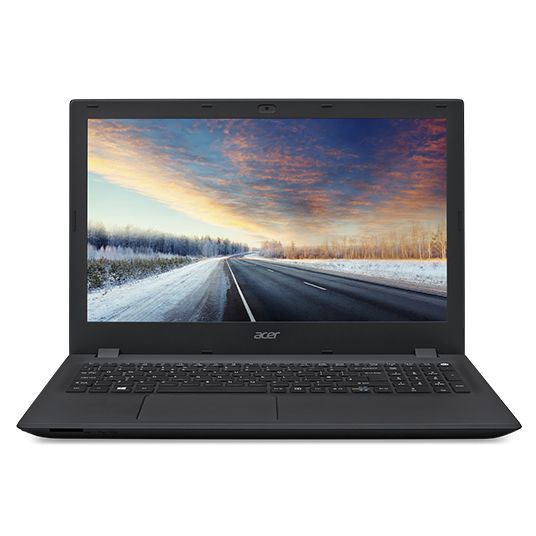
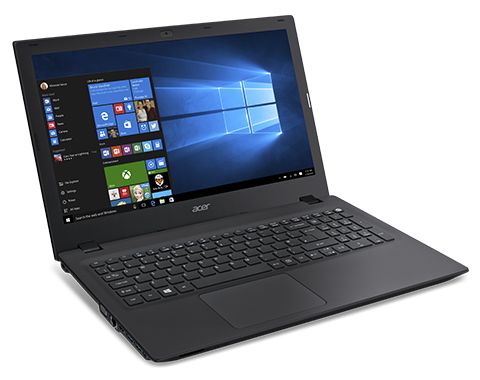
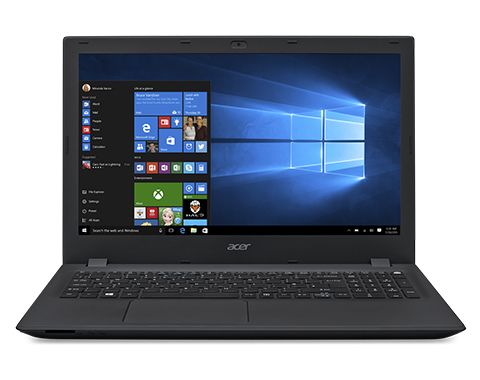
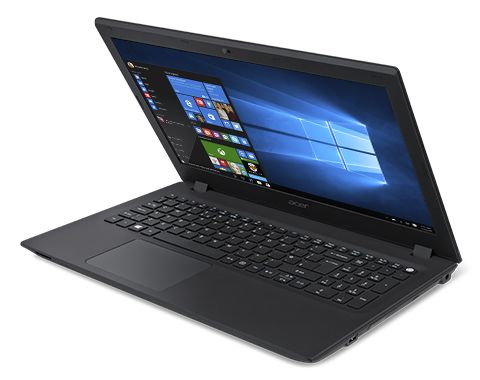
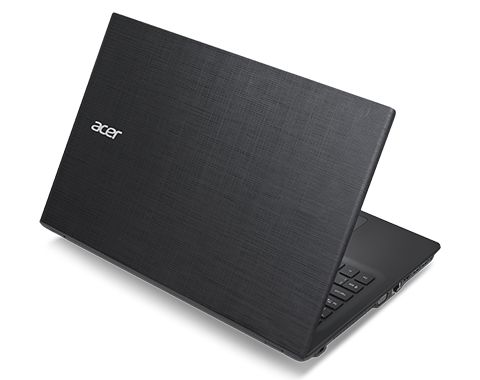
The ACER TravelMate P2 series model P258-MG-52PV supports memory upgrades utilizing DDR3L-SDRAM technology. The laptop features two SO-DIMM slots for RAM expansion, with maximum supported capacity of 16 GB. Compatible memory modules operate at 1600 MHz frequency. Upgrade specifications indicate SO-DIMM form factor modules are required for this model's memory slots. The P258-MG-52PV accommodates DDR3L-SDRAM RAM upgrades to reach the maximum 16 GB capacity across both available slots.
Memory Upgrade Specifications
| Specification | Value |
|---|---|
| Memory slots | 2x SO-DIMM |
| Form factor | SO-DIMM |
| Memory type | DDR3L-SDRAM |
| Frequency | 1600 MHz |
| Maximum RAM | 16 GB |
| Voltage | 1.35V (Low Voltage) |
| Number of pins | 204-pin |
| Interface | PC3L |
| PC Speed Rating | PC3L-1600 (PC3L-12800) |
| Bandwidth | 12.8 GB/s |
| Laptop Release date | 18 August 2017 |
Additional Notes
- The presence of 2 SO-DIMM slots implies that the factory memory is not soldered to the motherboard, allowing for the total replacement of all existing modules.
- The maximum capacity limit of 16 GB restricts configuration to a pair of 8 GB modules, as 16 GB single sticks are incompatible with the addressing limits of this architecture.
- The DDR3L specification necessitates a low voltage requirement of 1.35V, meaning standard 1.5V DDR3 modules will likely cause system instability or failure to boot during POST.
- Dual channel memory bandwidth is only achievable if two modules of matching density and speed are installed, which improves integrated graphical performance.
- Installing memory modules with frequencies higher than 1600 MHz will result in an automatic downclocking to the motherboard bus speed, providing no performance gain over the rated specification.
- Physical access to the memory slots requires the removal of the bottom chassis panel, as this specific model lacks a dedicated quick access hatch for component swapping.
- The 1600 MHz frequency ceiling and DDR3L architecture indicate a hardware bottleneck for modern memory-intensive applications compared to newer DDR4 or DDR5 standards.