ACER TravelMate TMP215-41-R3QR RAM upgrade specifications


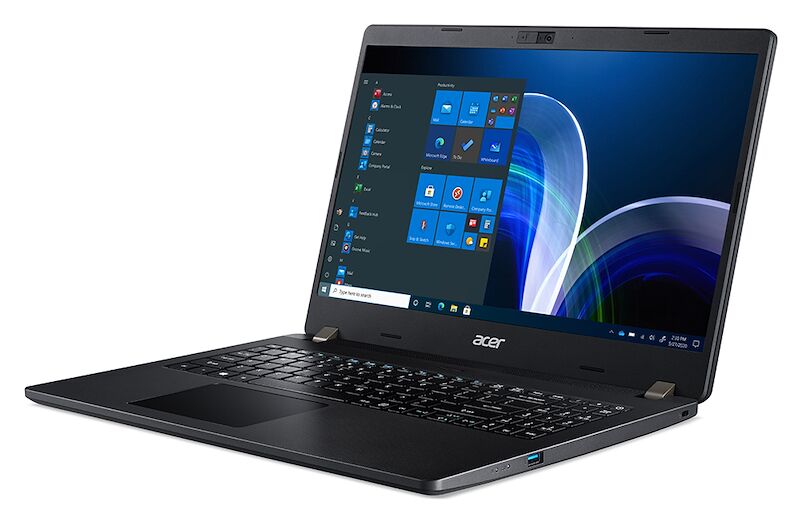
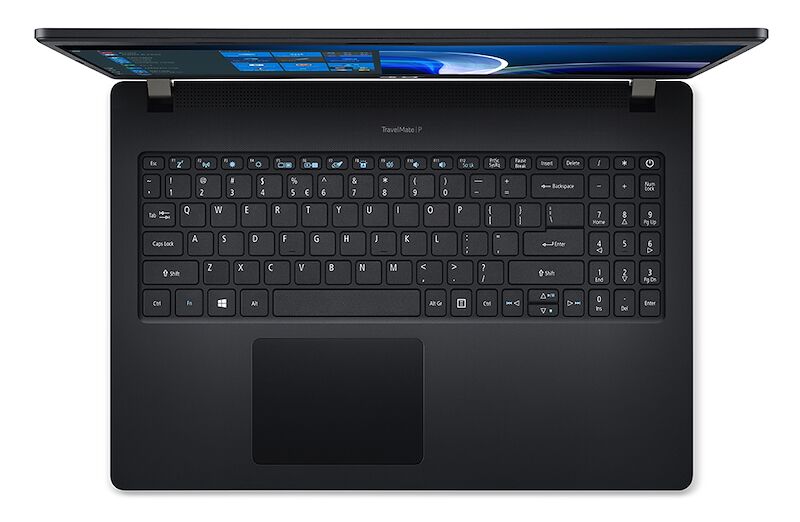
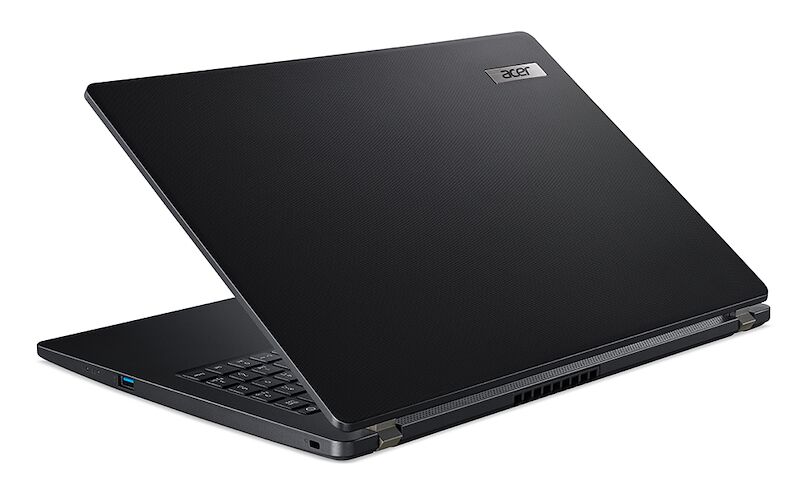
The ACER TravelMate P2 TMP215-41-R3QR laptop features DDR4-SDRAM memory upgrades with 2x SO-DIMM slots supporting a maximum RAM capacity of 32 GB total. Memory specifications include DDR4 modules operating at 2133 MHz frequency. The laptop accepts compatible SO-DIMM form factor upgrades, allowing users to expand existing memory configurations up to the maximum specifications. Both memory slots accommodate individual modules for flexible upgrade options.
Memory Upgrade Specifications
| Specification | Value |
|---|---|
| Memory slots | 2x SO-DIMM |
| Form factor | SO-DIMM |
| Memory type | DDR4-SDRAM |
| Frequency | 2133 MHz |
| Maximum RAM | 32 GB |
| Voltage | 1.2V |
| Number of pins | 260-pin |
| Interface | PC4 |
| PC Speed Rating | PC4-2133 (PC4-17064) |
| Bandwidth | 17.1 GB/s |
| Laptop Release date | 01 February 2021 |
Additional Notes
- The 32 GB ceiling reflects chipset limitations rather than physical slot constraints, preventing higher-capacity configurations even when using matching module types.
- DDR4-2133 represents the JEDEC base specification, meaning modules rated at higher frequencies will downclock to match this maximum supported speed.
- Dual SO-DIMM architecture enables symmetric memory configurations, which activate dual-channel mode when identical capacity modules occupy both slots.
- Installing mismatched module capacities forces the system into asymmetric or single-channel operation, reducing theoretical memory bandwidth by approximately 50 percent.
- The ACER TravelMate TMP215-41-R3QR accepts standard 260-pin SO-DIMM modules, excluding desktop U-DIMM or server registered configurations.
- Operating voltage typically remains fixed at 1.2V for DDR4 specifications, though some modules advertise XMP profiles that this platform cannot utilize.
- Warranty preservation generally requires non-destructive installation procedures, as soldered components adjacent to memory slots remain vulnerable during module insertion.
- Maximum theoretical bandwidth reaches 17 GB/s per channel when both slots operate synchronously at the supported frequency.
- Thermal headroom considerations become relevant beyond 16 GB total capacity, as higher-density modules generate additional heat within confined chassis spaces.
- CAS latency variations between CL15 and CL19 modules produce negligible real-world performance differences at this frequency tier.
- Single-rank versus dual-rank module topology affects compatibility margins, though both types function within the 32 GB maximum threshold.