ACER TravelMate TMP215-53G-79X1 RAM upgrade specifications

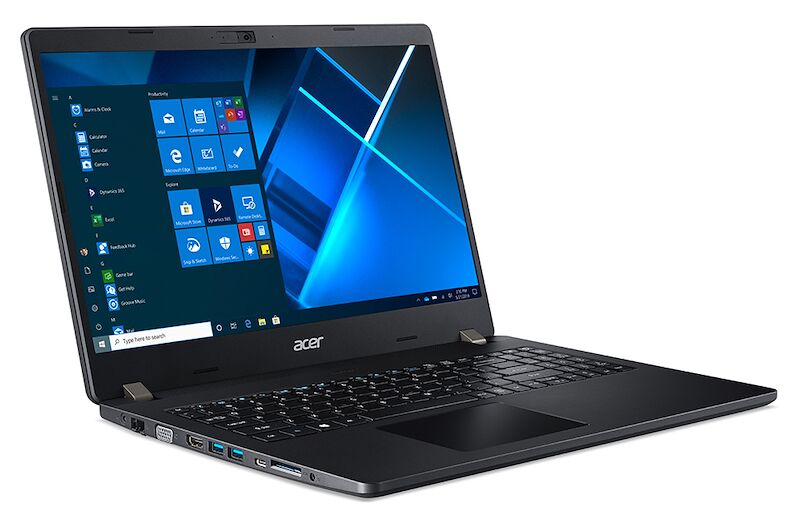

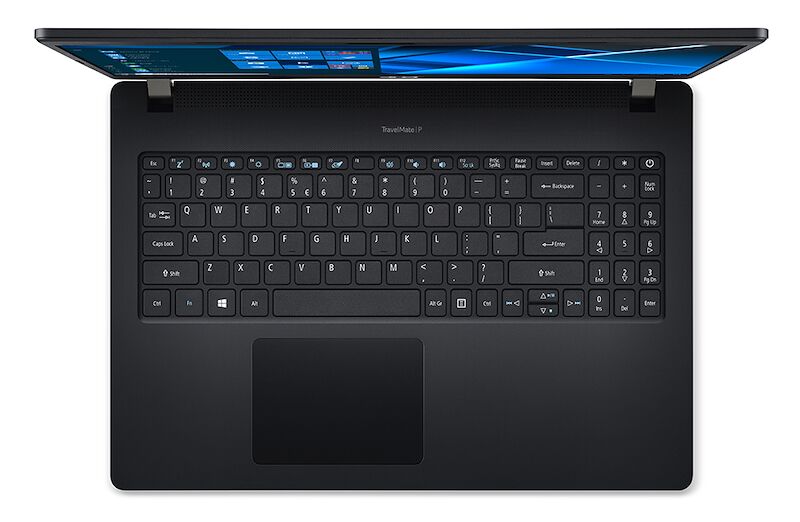
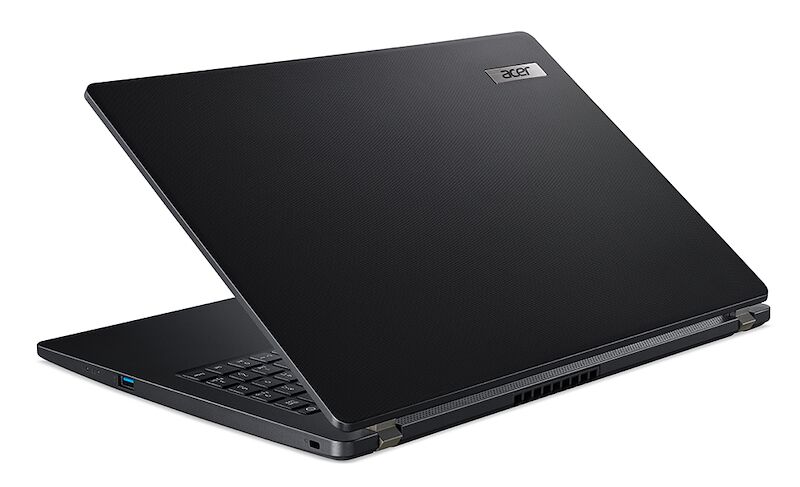
The ACER TravelMate P2 TMP215-53G-79X1 laptop features two SO-DIMM memory slots supporting DDR4-SDRAM specifications. Maximum RAM capacity reaches 32 GB, with compatible memory operating at 2133 MHz frequency. RAM upgrade options allow users to expand memory through the dual SO-DIMM slots, replacing or supplementing existing modules to achieve the laptop's maximum memory specifications.
Memory Upgrade Specifications
| Specification | Value |
|---|---|
| Memory slots | 2x SO-DIMM |
| Form factor | SO-DIMM |
| Memory type | DDR4-SDRAM |
| Frequency | 2133 MHz |
| Maximum RAM | 32 GB |
| Voltage | 1.2V |
| Number of pins | 260-pin |
| Interface | PC4 |
| PC Speed Rating | PC4-2133 (PC4-17064) |
| Bandwidth | 17.1 GB/s |
| Laptop Release date | 13 November 2020 |
Additional Notes
- The 2133 MHz frequency specification represents DDR4-2133 operation, which runs at PC4-17000 standard with a theoretical bandwidth of 17 GB/s per channel in dual-channel configuration.
- Installing modules with higher native speeds such as DDR4-2400 or DDR4-2666 will result in automatic downclocking to 2133 MHz, as the memory controller enforces this ceiling regardless of module capability.
- The dual SO-DIMM configuration enables proper dual-channel memory interleaving when identical capacity modules occupy both slots, doubling the effective bandwidth compared to single-channel operation.
- Reaching the 32 GB ceiling requires 2 modules of 16 GB each, as SO-DIMM physical design and chipset architecture do not accommodate higher-density configurations in this ACER TravelMate TMP215-53G-79X1 platform.
- SO-DIMM modules measure 67.6 mm in length compared to 133.35 mm for standard desktop DIMM, making desktop memory physically incompatible with the laptop's slot design.
- DDR4 SO-DIMM operates at 1.2V standard voltage, and the platform does not support DDR3L or DDR3 variants despite superficial slot similarity, as these use different keying notches at pin 260 versus pin 288.
- Warranty preservation typically requires avoiding BIOS modifications or extreme overclocking, while physical module replacement constitutes user-serviceable maintenance under most manufacturer policies.
- Mismatched module capacities between the 2 slots will force single-channel mode or asymmetric flex mode, reducing memory bandwidth efficiency even when total capacity increases.
- CAS latency specifications such as CL15 or CL17 affect real-world responsiveness at identical frequencies, though the impact diminishes at the constrained 2133 MHz speed compared to higher-frequency kits.
- ECC SO-DIMM modules are physically compatible but functionally unsupported in consumer laptop chipsets, rendering error-correction capabilities inactive even when installed.