ACER TravelMate TMP259-M-30YA RAM upgrade specifications
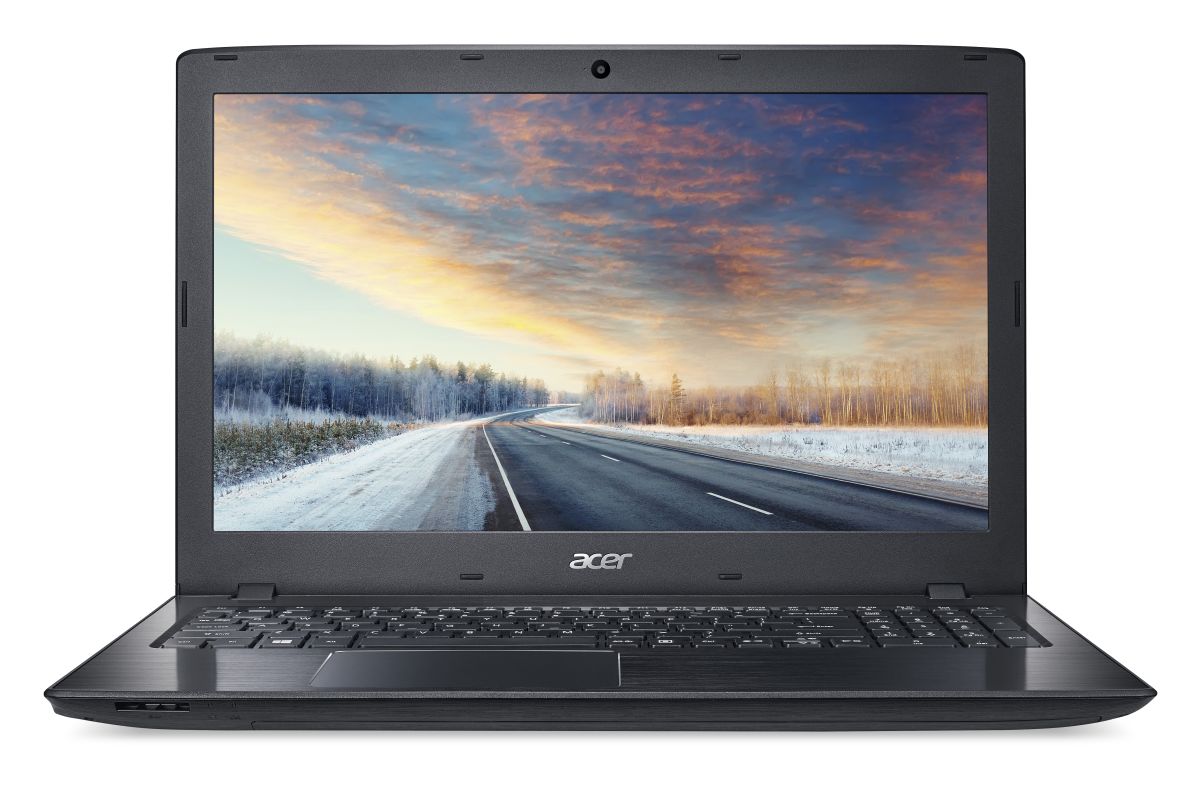
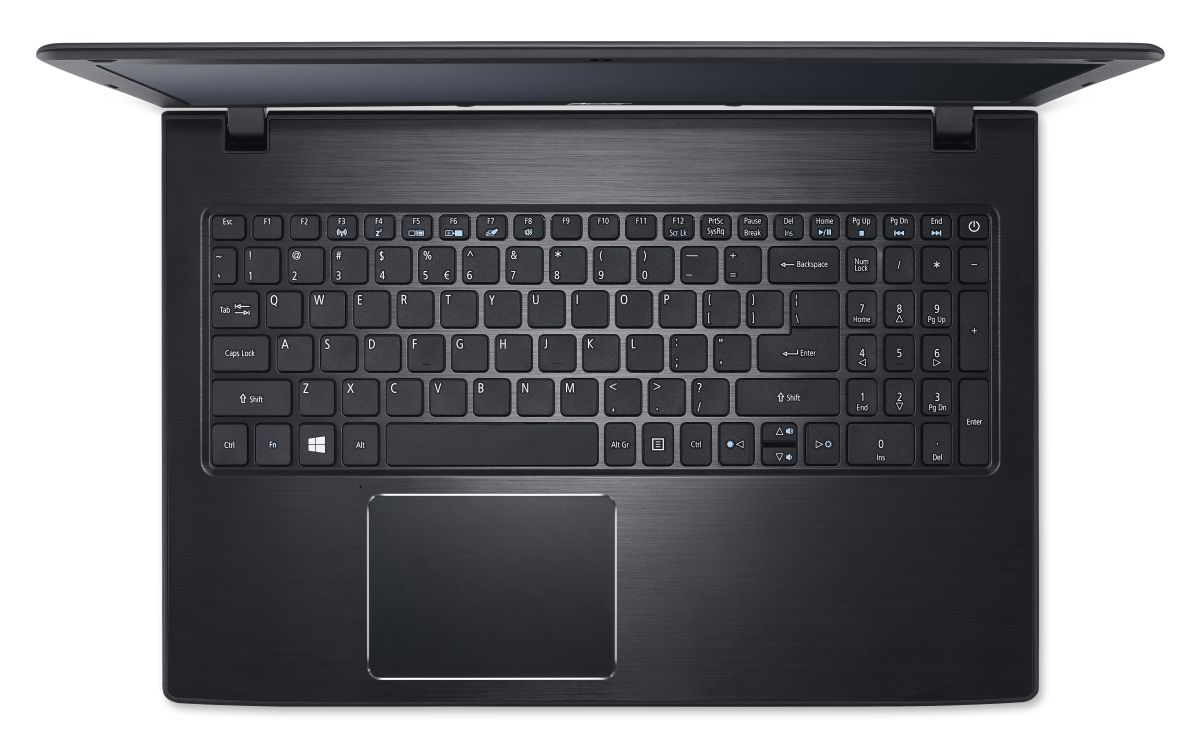
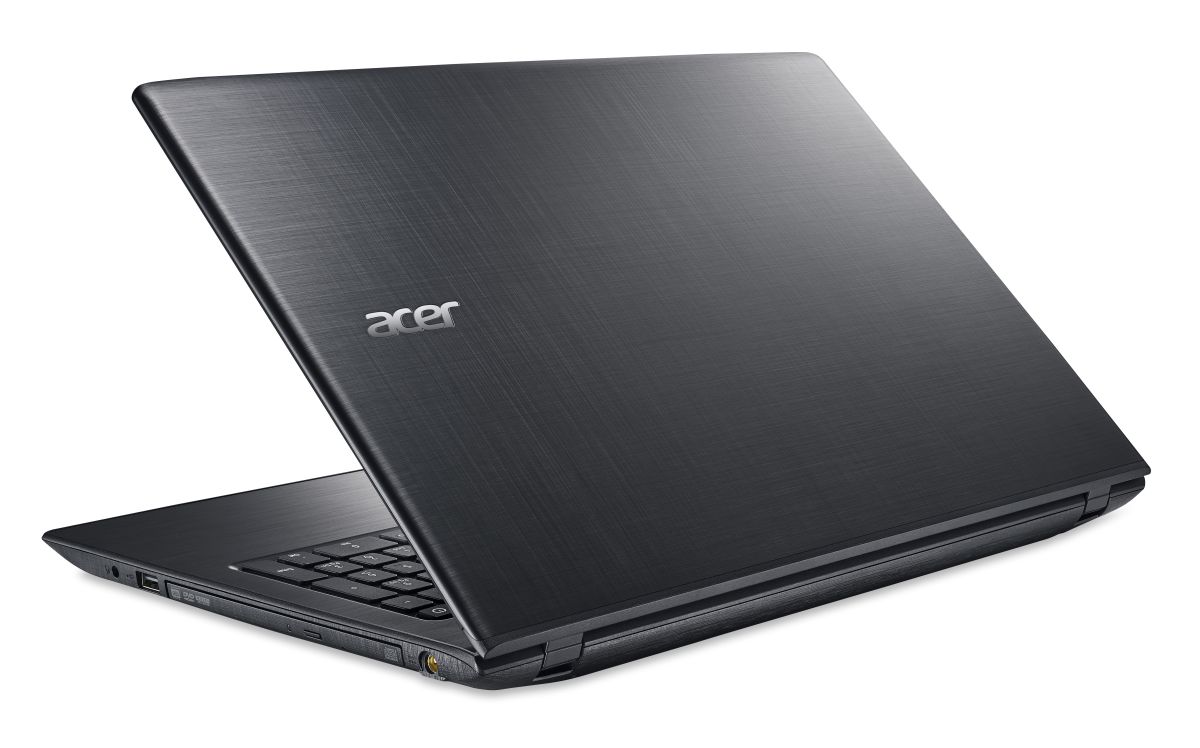
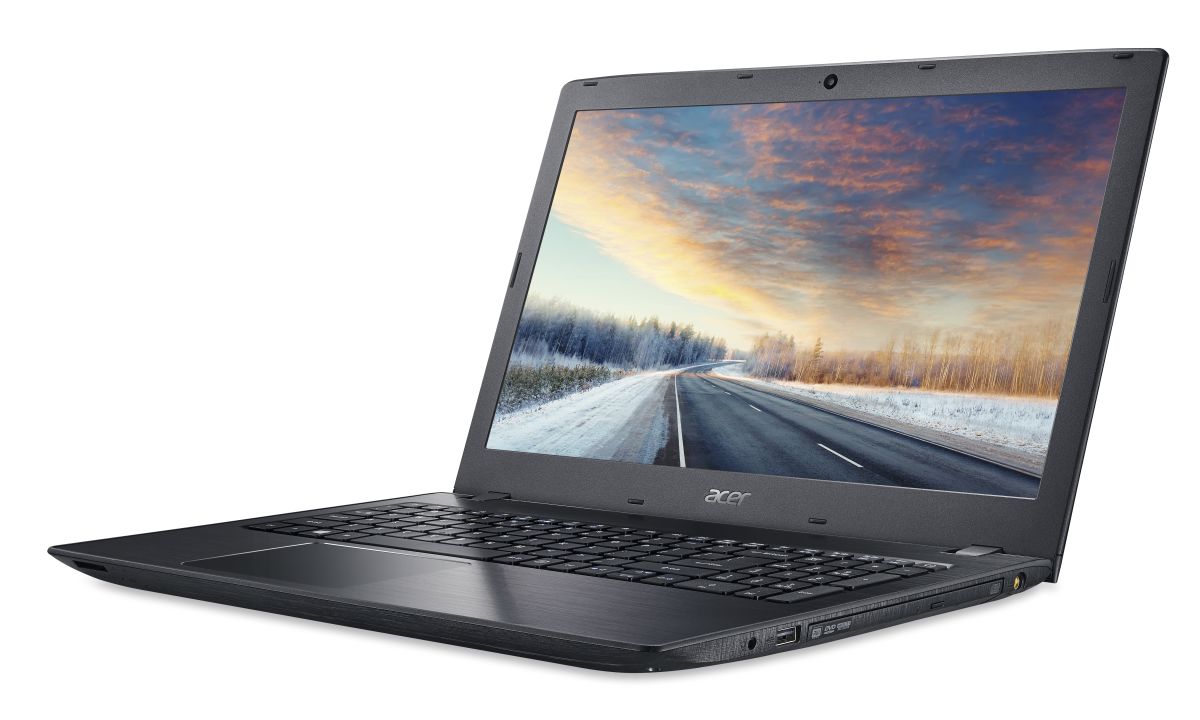
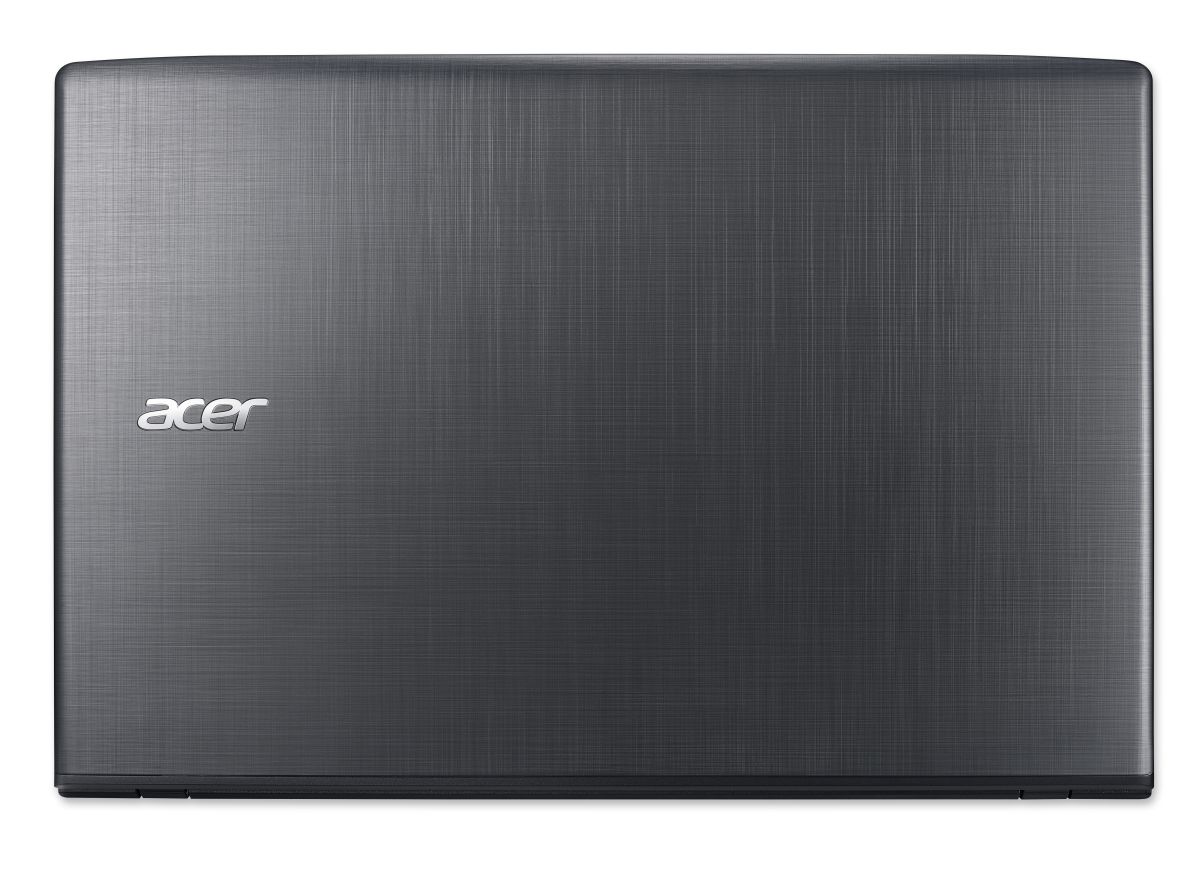
The ACER TravelMate P2 Series TMP259-M-30YA laptop features two SO-DIMM memory slots supporting DDR4-SDRAM upgrade capabilities. The maximum RAM capacity reaches 32 GB, with compatible modules operating at 2133 MHz frequency. These specifications define the upgrade potential and memory configuration options for this TravelMate model's performance enhancement through compatible DDR4 RAM modules.
Memory Upgrade Specifications
| Specification | Value |
|---|---|
| Memory slots | 2x SO-DIMM |
| Form factor | SO-DIMM |
| Memory type | DDR4-SDRAM |
| Frequency | 2133 MHz |
| Maximum RAM | 32 GB |
| Voltage | 1.2V |
| Number of pins | 260-pin |
| Interface | PC4 |
| PC Speed Rating | PC4-2133 (PC4-17064) |
| Bandwidth | 17.1 GB/s |
| Laptop Release date | 25 October 2019 |
Additional Notes
- The Acer TravelMate TMP259-M-30YA supports DDR4-SDRAM at 2133 MHz, which represents the lower tier of DDR4 performance standards. Upgrading to higher-frequency DDR4 modules (3200 MHz or above) will not improve performance on this system due to the locked memory controller frequency, resulting in automatic downclocking to 2133 MHz.
- With 2 SO-DIMM slots and a 32 GB maximum capacity ceiling, the upgrade path is constrained to 16 GB modules per slot. Exceeding this configuration voids the memory ceiling and creates incompatibility.
- Dual-slot architecture means that symmetric configurations (matching capacities and speeds in both slots) enable dual-channel operation, doubling the memory bandwidth compared to single-module installations. Asymmetric configurations force the system into single-channel mode on the populated capacity tier, degrading throughput.
- SO-DIMM form factor confirms this is a mobile platform with space constraints. Replacement requires internal access and carries higher physical installation risk compared to desktop systems; warranty coverage depends on whether the user performs the upgrade or submits to authorized service.
- The 2133 MHz specification predates DDR4-3200 market standardization, indicating this platform was designed between 2015 and 2017. Matching the original frequency exactly when sourcing replacement modules minimizes compatibility ambiguity, though most modern DDR4-2133 stock has ceased production.