ACER TravelMate TMP215-53-71Y5 RAM upgrade specifications

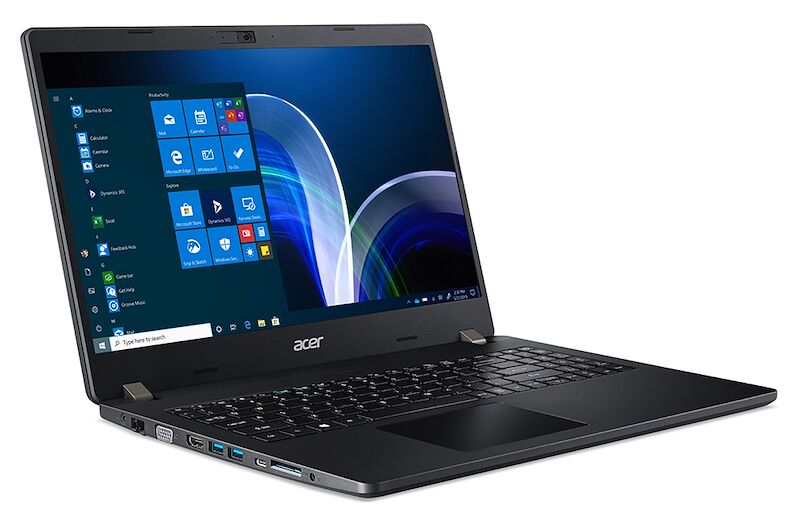
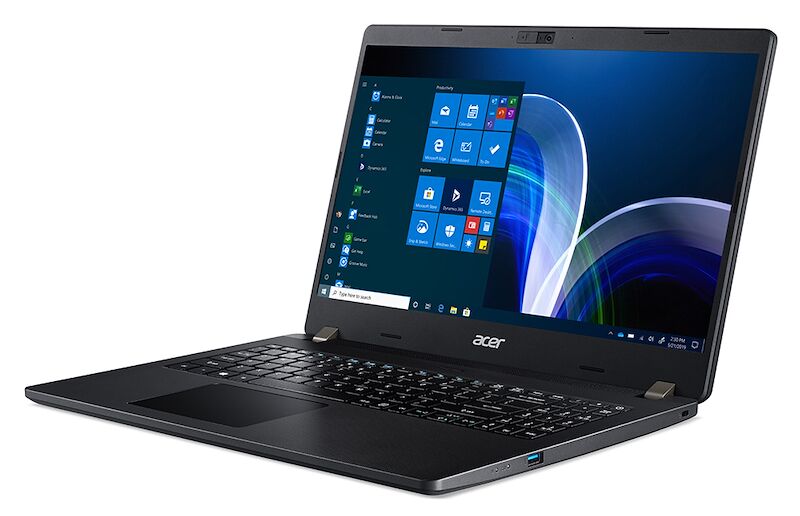
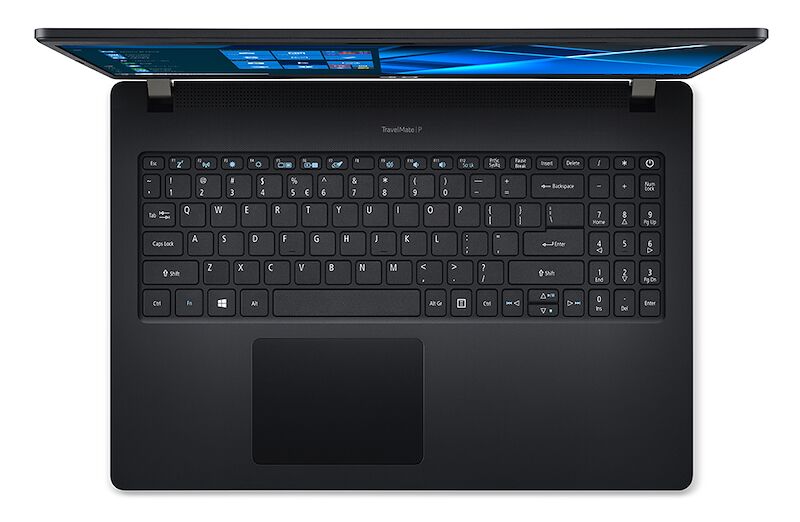
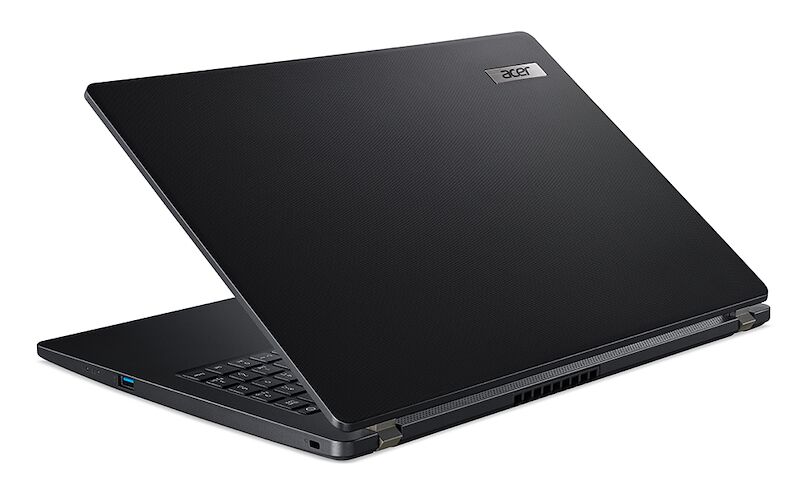
Acer TravelMate P4 series model TMP215-53-71Y5 features DDR4-SDRAM memory upgrade specifications with 2x SO-DIMM slots supporting maximum RAM capacity of 32 GB. Compatible memory operates at 2133 MHz frequency. Upgrade slots accommodate SO-DIMM form factor modules, enabling system memory expansion to specifications of 32 GB maximum total capacity for enhanced performance.
Memory Upgrade Specifications
| Specification | Value |
|---|---|
| Memory slots | 2x SO-DIMM |
| Form factor | SO-DIMM |
| Memory type | DDR4-SDRAM |
| Frequency | 2133 MHz |
| Maximum RAM | 32 GB |
| Voltage | 1.2V |
| Number of pins | 260-pin |
| Interface | PC4 |
| PC Speed Rating | PC4-2133 (PC4-17064) |
| Bandwidth | 17.1 GB/s |
| Laptop Release date | 10 April 2021 |
Additional Notes
- The ACER TravelMate TMP215-53-71Y5 chipset enforces a 32 GB ceiling across both slots, requiring balanced population of 2x16 GB modules to reach maximum capacity rather than asymmetric configurations.
- The 2133 MHz frequency specification indicates DDR4-2133 compatibility, which translates to PC4-17000 module labeling when sourcing replacement memory from third-party vendors.
- Higher frequency modules rated at 2400 MHz, 2666 MHz, or 3200 MHz will physically install but automatically downclock to 2133 MHz through JEDEC standard protocols, offering no performance advantage despite premium pricing.
- Dual-channel bandwidth activation requires matched capacity modules in both SO-DIMM slots, as single-stick configurations halve theoretical memory throughput to approximately 17 GB/s.
- The SO-DIMM form factor specification excludes standard desktop DIMM modules due to incompatible 260-pin versus 288-pin interface architectures and physical length differences of 67.6 mm versus 133.35 mm.
- Non-ECC unbuffered module types maintain compatibility with this consumer platform, while ECC or registered server-grade SO-DIMMs will trigger POST failures or remain undetected during boot sequences.
- Mixing different capacity modules between slots maintains functionality but forces the system into flex mode asymmetric dual-channel operation, creating performance inconsistencies across memory address ranges.
- Voltage requirements default to DDR4 standard 1.2V operation, making low-voltage 1.35V DDR3L SO-DIMMs physically incompatible despite similar 260-pin connector layouts.
- Bottom panel disassembly for memory access typically preserves manufacturer warranty coverage under most regional serviceable parts classifications, unlike soldered LPDDR configurations that prohibit user intervention.
- CAS latency variations between CL15 and CL19 timings at this frequency produce negligible real-world impact in business productivity workloads, making latency specifications secondary to capacity priorities.