ASUS ExpertBook B2502CBA-BQ0433X RAM upgrade specifications




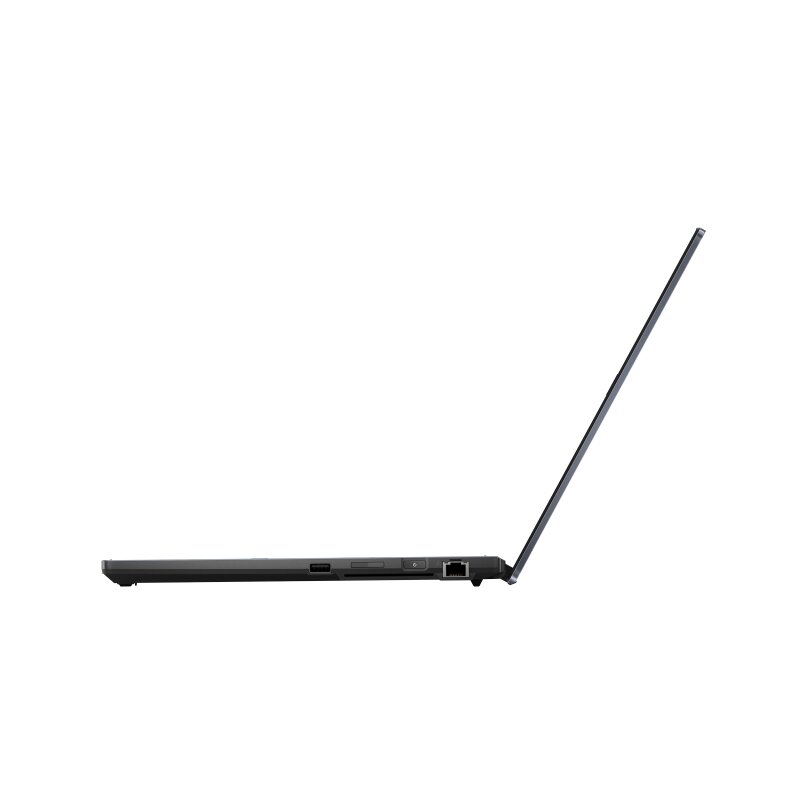
The ASUS ExpertBook B2 series model B2502CBA-BQ0433X features DDR4-SDRAM memory upgrade specifications. The laptop contains two SO-DIMM slots supporting maximum RAM capacity of 64 GB total. Compatible memory modules operate at 3200 MHz frequency. Upgrade options accommodate SO-DIMM form factor RAM modules. Specifications enable users to expand memory capacity by replacing or adding DDR4-SDRAM modules within the available slots to enhance system performance and multitasking capabilities.
Memory Upgrade Specifications
| Specification | Value |
|---|---|
| Memory slots | 2x SO-DIMM |
| Form factor | SO-DIMM |
| Memory type | DDR4-SDRAM |
| Frequency | 3200 MHz |
| Maximum RAM | 64 GB |
| Voltage | 1.2V |
| Number of pins | 260-pin |
| Interface | PC4 |
| PC Speed Rating | PC4-3200 (PC4-25600) |
| Bandwidth | 25.6 GB/s |
| Laptop Release date | 22 October 2022 |
Additional Notes
- The ASUS ExpertBook B2502CBA-BQ0433X architecture supports dual-channel memory operation, requiring matched pairs of modules to achieve full bandwidth potential of 51.2 GB/s aggregate throughput.
- DDR4-3200 represents the maximum supported frequency, meaning faster modules such as DDR4-3600 will downclock to 3200 MHz without performance benefit.
- The 64 GB ceiling requires 32 GB modules in both slots, eliminating asymmetric configurations if maximum capacity is the objective.
- SO-DIMM form factor indicates laptop-specific modules, physically incompatible with desktop DIMM memory regardless of electrical specifications.
- Non-ECC unbuffered modules are implied by consumer-grade DDR4-SDRAM classification, rendering registered or error-correcting memory unsuitable for this platform.
- Accessing both memory slots typically requires bottom panel removal, with potential warranty implications depending on regional service policies and seal placement.
- Single-channel operation occurs when populating only one slot, halving memory bandwidth to 25.6 GB/s and creating performance constraints in graphics-intensive or multi-threaded workloads.
- Mixing module capacities while maintaining matched speeds preserves stability but may disable flex mode optimizations on some Intel platforms, reverting to pure single-channel operation above the lower module's capacity.
- Voltage specification defaults to 1.2V for DDR4-3200, with low-voltage 1.05V variants offering no compatibility advantage in standard implementations.
- CAS latency tolerances exist within JEDEC specifications, but mismatched timings between modules force both to operate at the slower module's parameters.