ASUS ExpertBook B2502CBA-BQ1226X RAM upgrade specifications
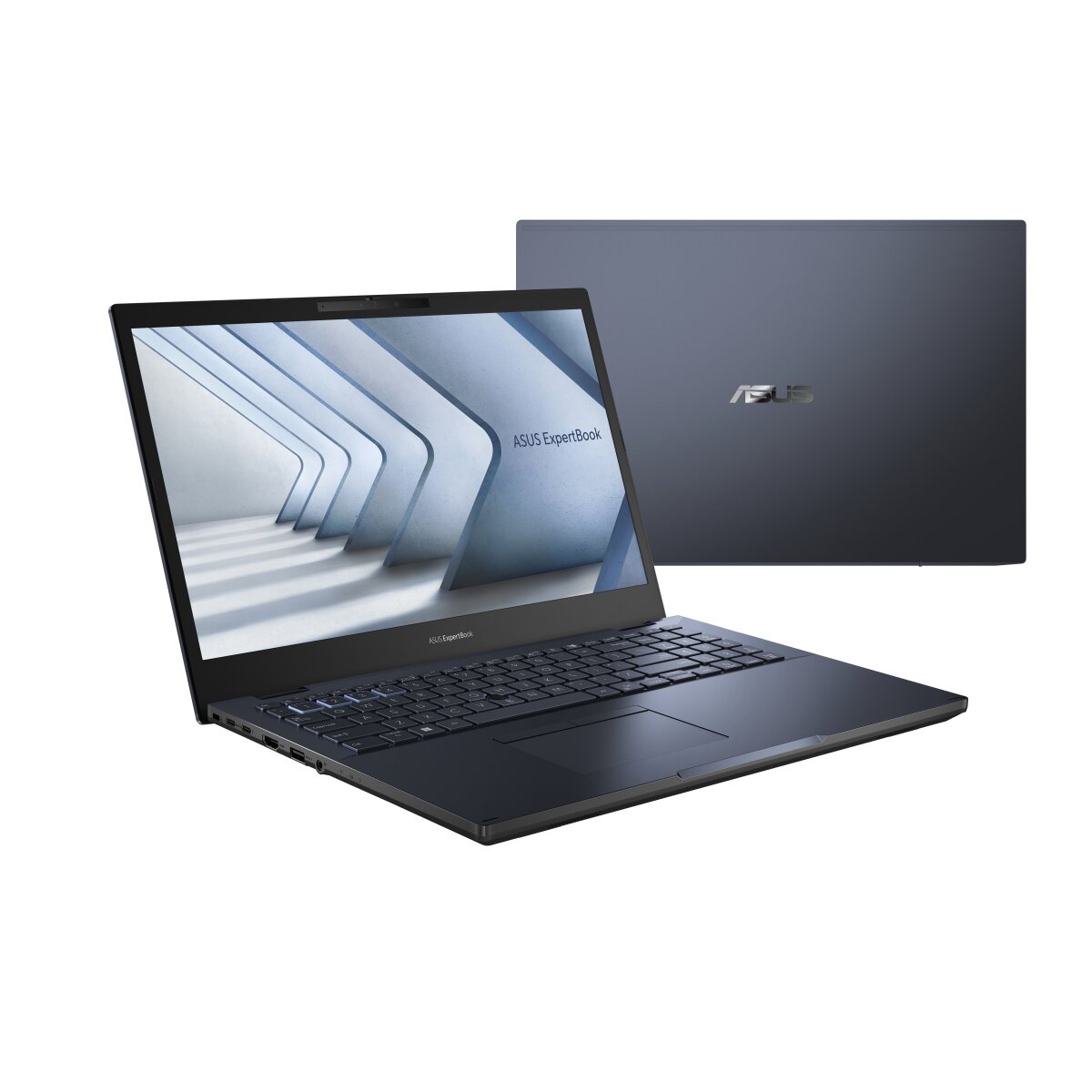
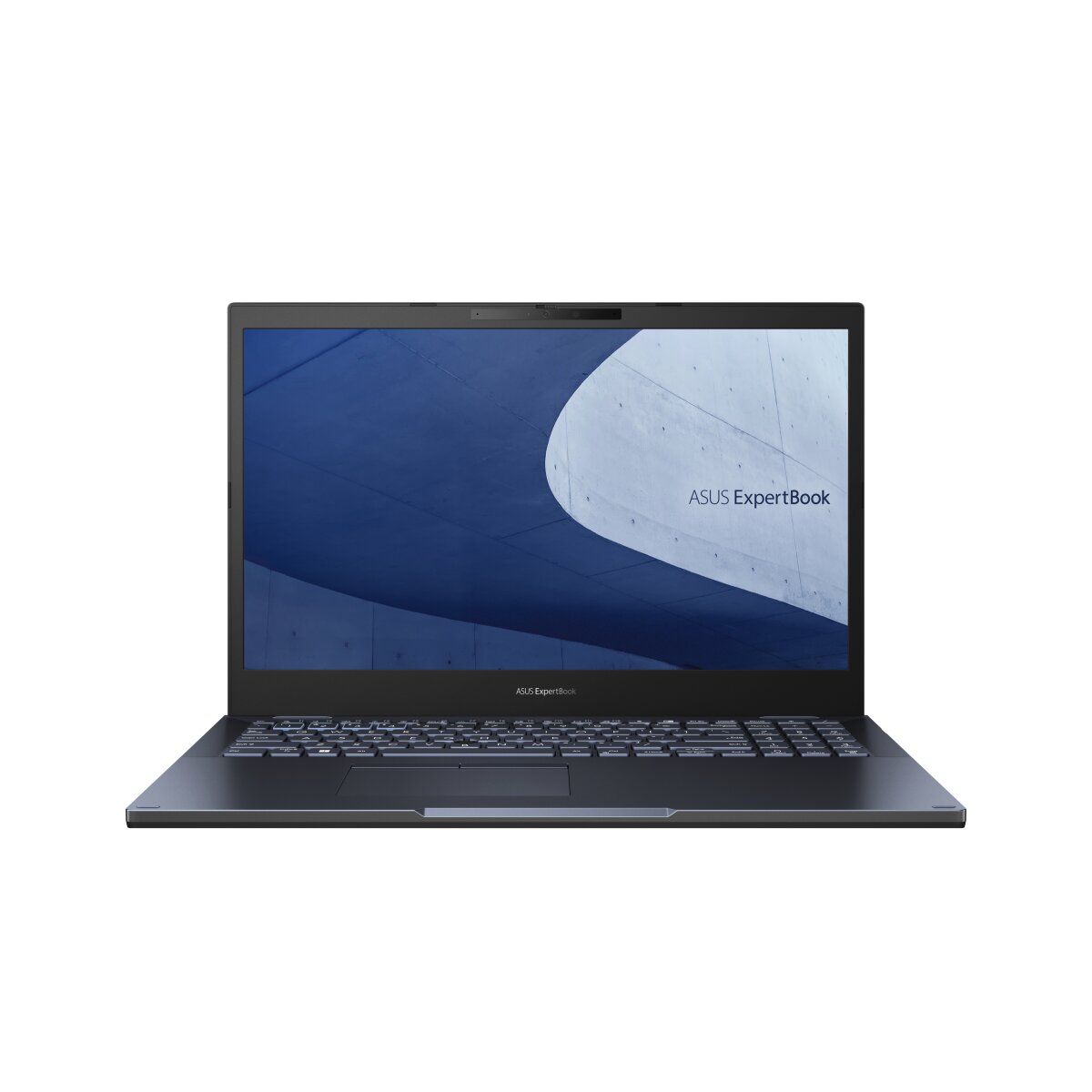
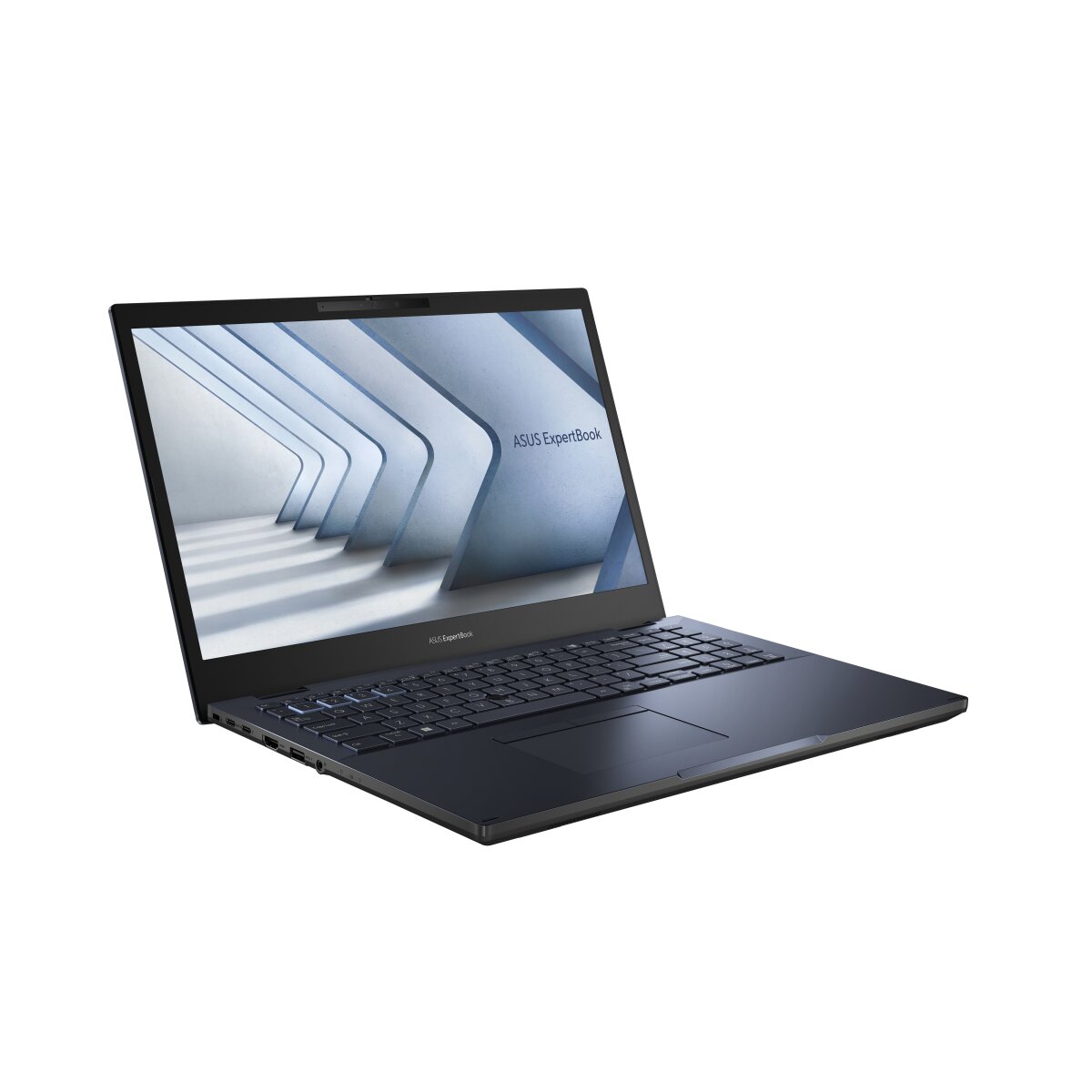
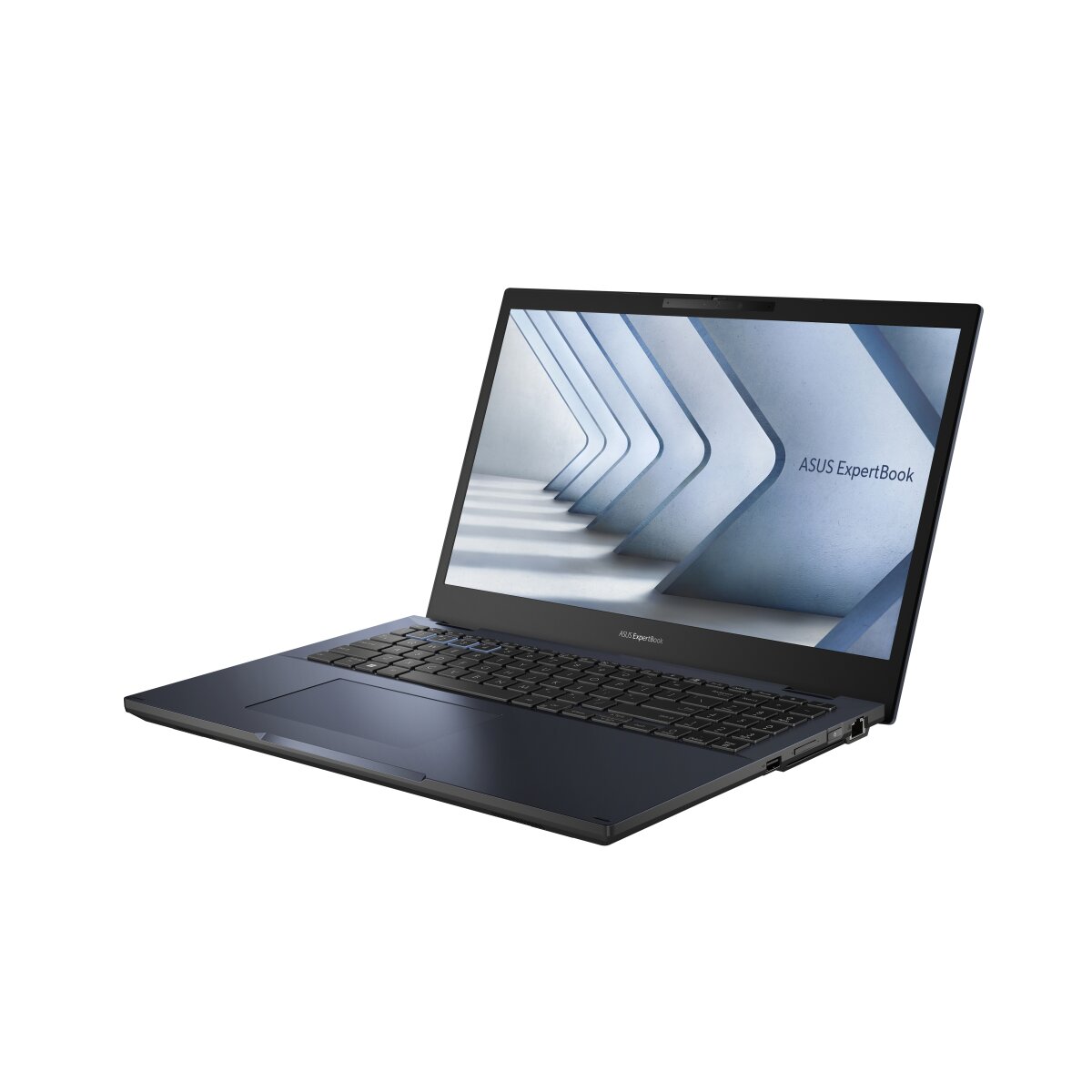
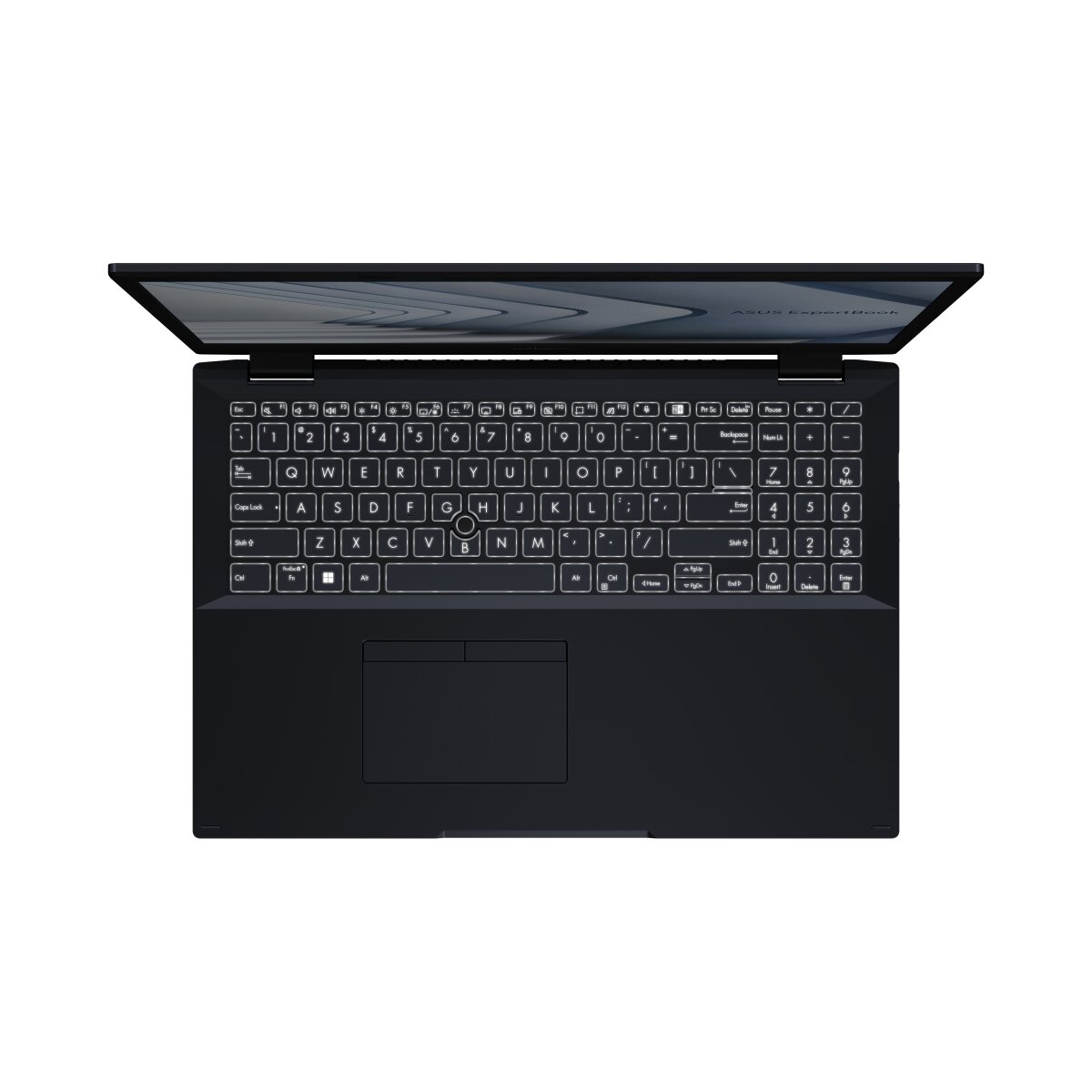
The ASUS ExpertBook B2 series model B2502CBA-BQ1226X features DDR4-SDRAM memory with two SO-DIMM slots for upgrade capability. Maximum supported RAM capacity reaches 64 GB with specifications compatible with 3200 MHz frequency modules. Upgrade options utilize standard SO-DIMM form factor memory modules. This configuration provides expandable memory capacity for the B2502CBA-BQ1226X business laptop model.
Memory Upgrade Specifications
| Specification | Value |
|---|---|
| Memory slots | 2x SO-DIMM |
| Form factor | SO-DIMM |
| Memory type | DDR4-SDRAM |
| Frequency | 3200 MHz |
| Maximum RAM | 64 GB |
| Voltage | 1.2V |
| Number of pins | 260-pin |
| Interface | PC4 |
| PC Speed Rating | PC4-3200 (PC4-25600) |
| Bandwidth | 25.6 GB/s |
Additional Notes
- The ASUS ExpertBook B2502CBA-BQ1226X platform enforces DDR4 architecture exclusively, preventing any migration to DDR5 memory technology without motherboard replacement.
- Operating at 3200 MHz represents the ceiling frequency for this system, meaning modules rated above this speed will downclock automatically to match the controller's limit.
- The dual-slot configuration enables capacity expansion through matched pair installation for optimal dual-channel bandwidth utilization.
- Achieving the 64 GB maximum requires 2 modules of 32 GB density, which necessitates verifying chipset support for high-density single-rank or dual-rank configurations.
- SO-DIMM form factor mandates laptop-specific modules approximately half the length of desktop DIMMs, creating physical incompatibility with standard desktop memory.
- Mixing modules with different latencies or ranks may force the memory controller to operate at the slower module's specifications, reducing overall performance.
- Non-ECC unbuffered modules are standard for this configuration, as registered or error-correcting variants typically cause boot failures in consumer-grade systems.
- Single-slot population eliminates dual-channel mode benefits, effectively halving memory bandwidth compared to matched pair installations.
- Thermal constraints in compact chassis may affect stability when running high-density modules at maximum frequency under sustained workloads.
- Voltage requirements typically default to 1.2V for DDR4-3200, with low-voltage variants potentially offering marginal power savings at compatible performance levels.